
Introduction
In 1973 I was a Sergeant Technical Instructor in the Royal Air Force (RAF) at RAF Cosford in Shropshire. I used to travel each day, to and from, my RAF Home at RAF Bridgnorth in Shropshire, about 12 miles (20km) via winding country roads to RAF Cosford. In November 1973 onward the winter was very cold with Ice and Snow on most of the roads especially those from RAF Bridgnorth to RAF Cosford. In 1972 I bought a 1970 Rover P6 3500 Automatic car, which was an upmarket executive car.
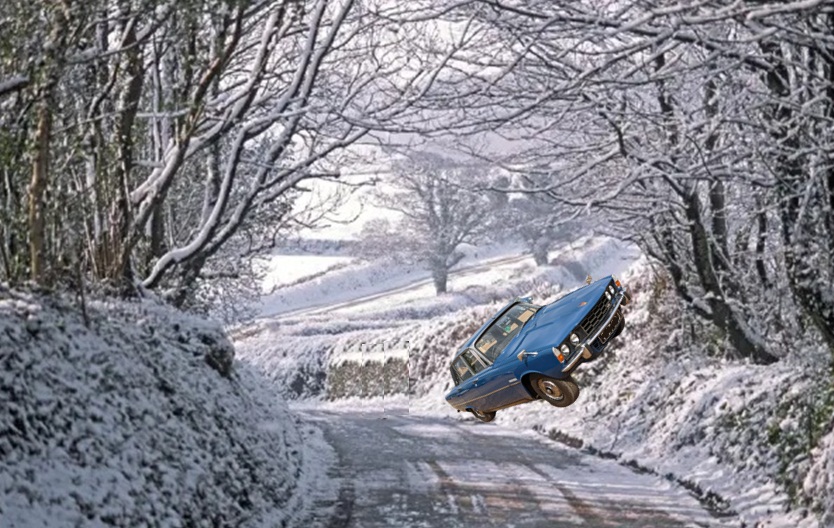
Avoiding a Head On Collision
On the way home from RAF Cosford at about 5pm to RAF Bridgnorth it was dark and snowing with Ice and Snow on the roads. As I was turning one of these narrow winding corners a lorry was heading straight for me. I turned my steering wheel fully left but initially the car did not respond but only yards from the Lorry my Rover Car veered left and I ended up on the Roadside Hedgerow Embankment at angle about 60 degrees with the drivers door almost touching the road, avoiding a head on collision. As the Rover 3500 was very strong there was only a small amount of damage.
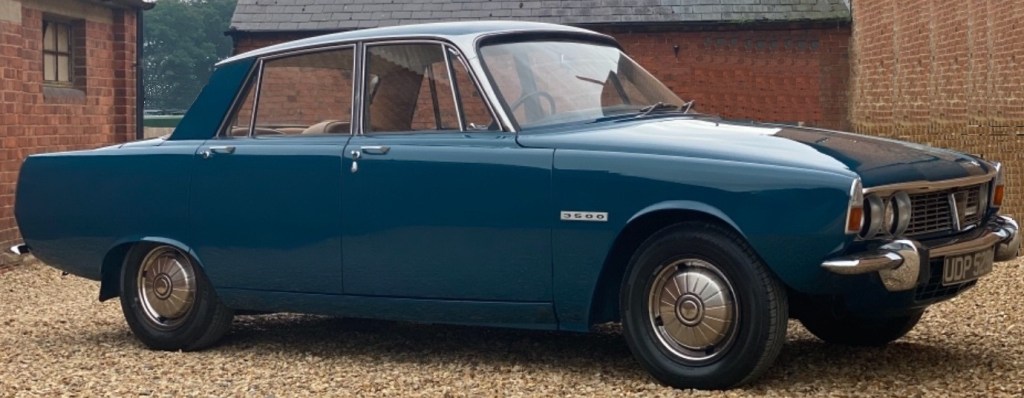
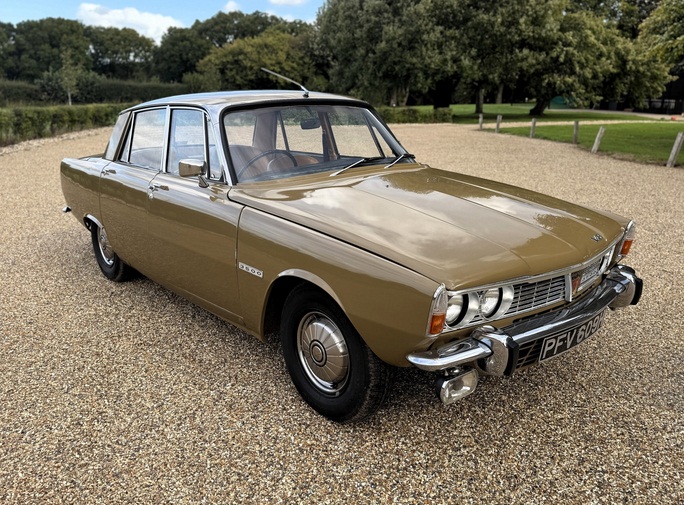
The Rover 3500 P6 Series 1 Automatic 1970’s
My Rover 3500 was a Series 1, P6 Automatic 1970’s model coloured Blue. It was the latest design with sleek smooth lines and a high quality finish and safety standards, including all round Seat Belts, marking a real change in the 1970’s. The Rover 3500 P6 Automatic won the European Car of the Year Award in 1977 beating BMW and Mercedes.

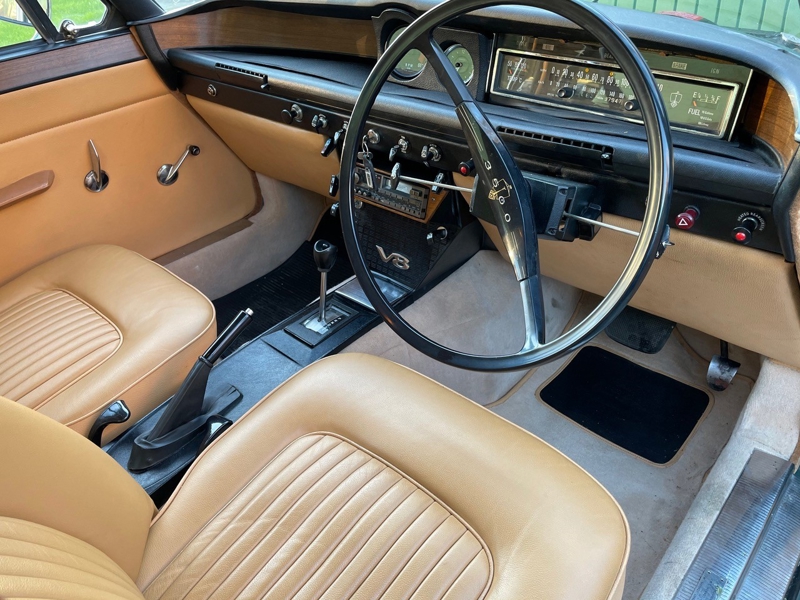
The interior of my Rover 3500 was all Beige Colour with Leather Seats and wood surrounds. It had a Speed Tape designed Instrument System. The 3 speed Automatic Selector and Hand Brake was in the centre console. There was a Radio System and additional switches for the Heating System. The two spoke Steering Wheel was connected to the Power Assisted Steering on my car, with Stalks for Lights and Windscreen Wiper/Washers.
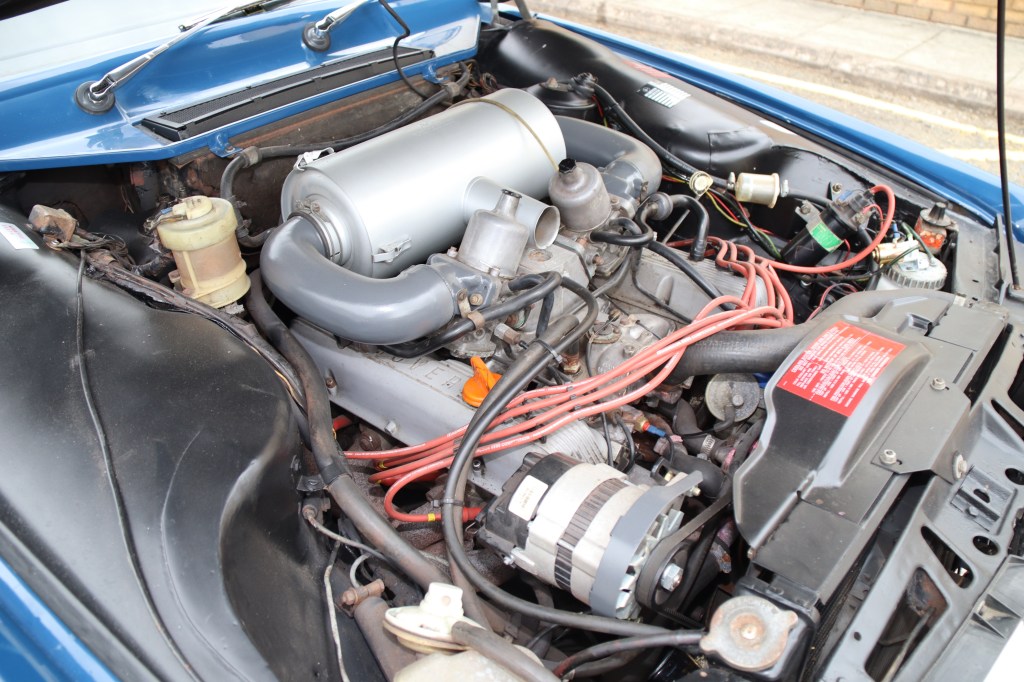
The Rover 3500 had a modified Buick 3.5 Litre V8 Cylinder Overhead Cam Aluminum Engine creating 215 hp with Twin Carburetors. Owing to the size of the Engine the Battery was housed in the boot. There was a large Radiator with an additional Air Intake Under the Front Bumper. The Engine drove a Borg-Warner 3 Speed Automatic Gearbox connected to the Rear Wheels via a Prop-shaft. It had All Wheel Disc Brakes.
The Rover 3500 performance was very good for that period and size and weight of the car, with a top speed of 117mph (188km/h) and a 0-60mph (97km/h) in 9.5 seconds. I still remember that the acceleration of the V8 was exceptional, however the Fuel consumption was reasonably high at about 22 miles per gallon.
Conclusion
The Rover 3500 P6 was one of the best cars I have owned and still have a strong affection for. I still believe that my Rover 3500 saved me from a Head On collision which would have been fatal. I also note there are still quite a number of Rover 3500 P6 cars still being used after almost 60 years.
 <a href="https://astra283.wordpress.com/wp-admin/site-editor.php?calypsoify=1&block-editor=1&frame-nonce=af705db4bc&origin=https%3A%2F%2Fwordpress.com&environment-id=production&support_user&_support_token&postType=wp_template&postId=pub%2Flivro%2F%2Fhome#site-title-pseudo-link">Training designer</a> - avionic & Aircraft Engineer -- BRYAN HOGGb.e.m