
History Summary
Railway Nationalisation:
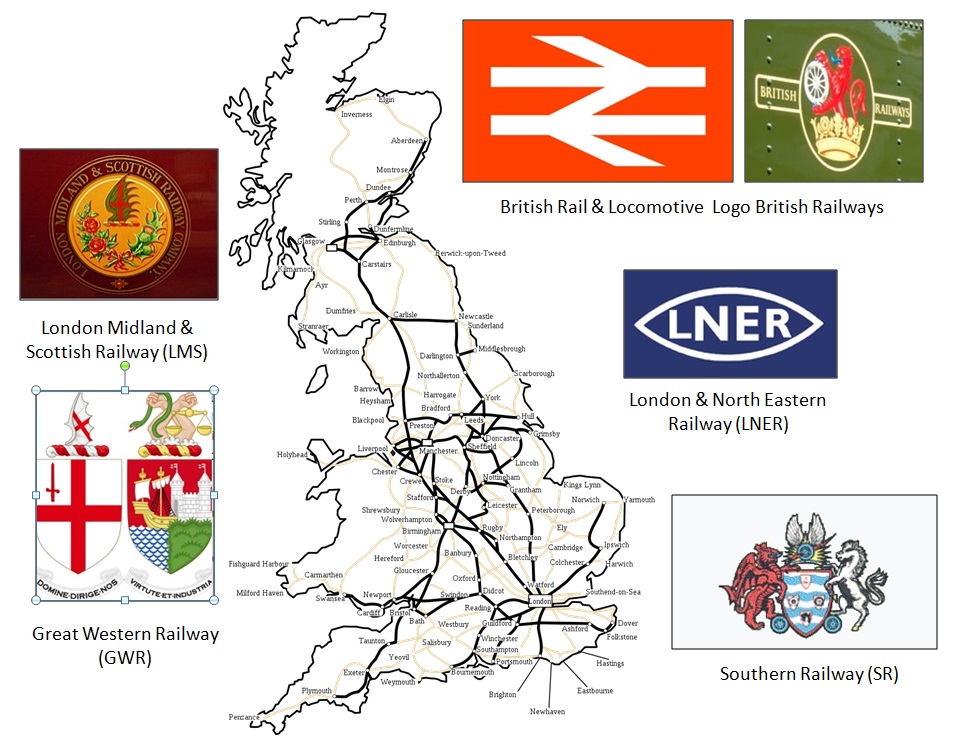
Two major UK Government Policies after World War II changed the existing Railway System in the UK. In 1947 the four main railway companies, the London, Midland and Scottish Railway (LMS), Great Western Railway (GWR), London and North Eastern Railway (LNER) and the Southern Railway (SR) were Nationalised to become British Rail also known as British Railways. These operated using the Standard -Gauge (4 feet 8.5 inches wide) ‘Tracks’ also known as ‘Railway Lines’.
Beeching Reports and Cuts:
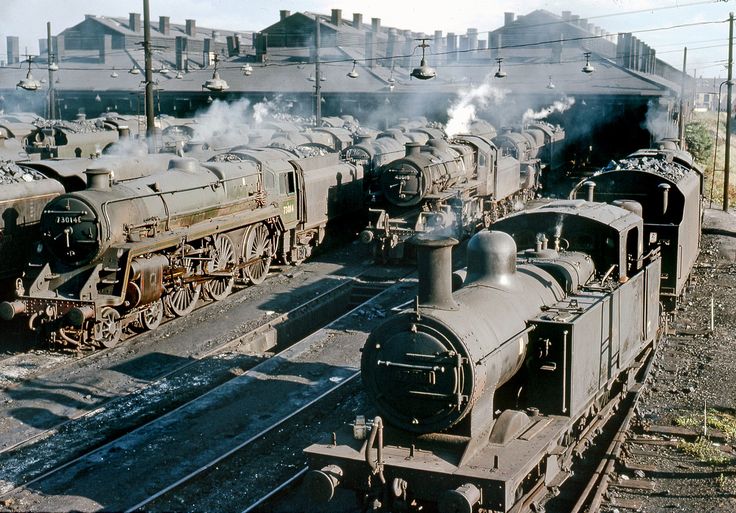
Since the WWII the railways were operated almost entirely by Steam Locomotives and there were a considerable amount of Railway Lines especially in the countryside known as Branch Lines, where the amount of passengers was small and the costs of running these lines were not sustainable. In 1961 Dr Richard Beeching was tasked with investigating the whole of British Rail and providing Reports to the Government. These Reports resulted in several decisions including the cutting of around 6000 lines mainly in the Branch Lines, creating the Main Lines shown in the image above. Replacing Steam Locomotives with Diesel Ones as quickly as possible. However, in the 1960’s both Steam and Diesel pulled the same type of Passenger Carriages and Goods Wagons as shown below.

It should be remembered the Steam Locomotive was a very dirty environment to work in and created a lot of CO’2 burning coal. That was also taken into account when cutting the Railway Network in the 1960’s.
Present Day Railways:
Since that time there have been enormous changes to the UK Railway Systems including transition from Steam to Diesel Locomotives and Trains to Electrification of Trains which are combined units of the Locomotive and Carriages running on the new Electrification of the Track System on the Main Lines.

The Love of Steam Locomotives
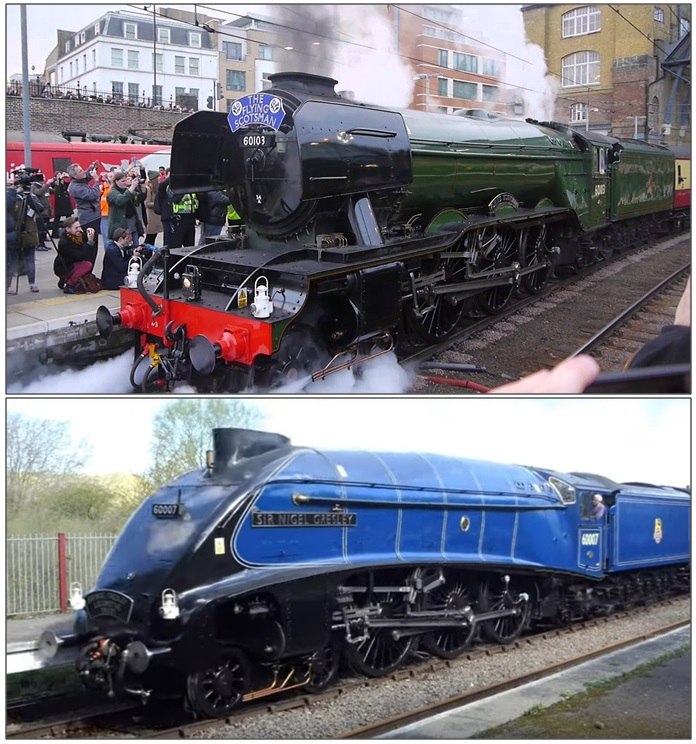
Why do so many people love Steam Locomotives so much especially those of us that were brought up with Steam Trains? First of all the Steam Locomotive is a marvel of Mechanical Engineering that creates this aura of Power, Size and Precision especially the larger ones like the Flying Scotsman originally built in 1923 and the Sir Nigel Gresley originally built in 1937. The latter was named after its designer of this and many more locomotives Sir Nigel Gresley designed. Both are still operating today. The ‘Mallard’ the same design as the ‘Sir Nigel Gresley’ holds the worlds speed record for the fastest Steam Locomotive pulling a Passenger Train of 126mph on the LNER line on the 3rd July 1938.
The Creation of the Heritage Railways
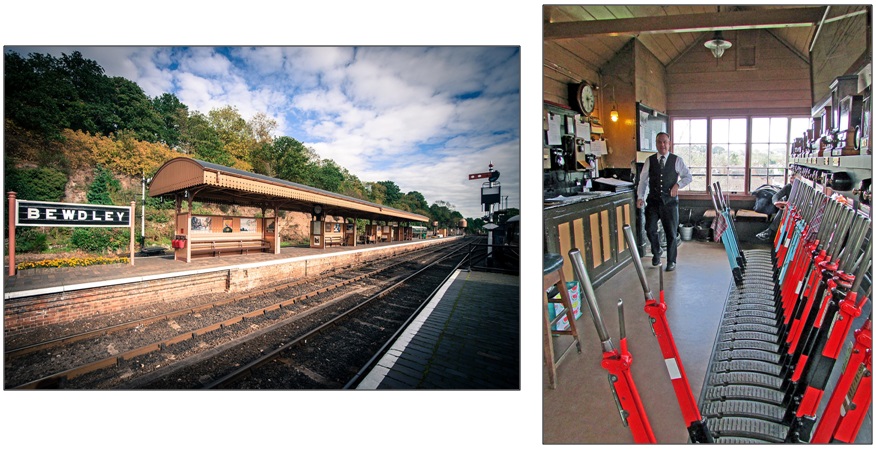
Heritage Railways in the UK are the result of the love affair we have with Steam Locomotives and Trains. Many of these operate all year round especially at Christmas and other holiday times. Many of the Standard -Gauge Heritage Railways are Branch Lines that were closed in the 1960’s by the Beeching Cuts. It is important to remember that Heritage Railways use many of these Branch Lines which are Restored and Maintained, Tracks, Points, Signals, Signal Boxes and Railway Stations to the high standards required by the UK Authorities. Most of the Heritage Railways are members of the ‘Heritage Railway Association’ (HRA) which estimates that 13 million visitors per year go to the Railways, Tramways, Cliff Railways and Railway Museums.

Typical Heritage Railway Branch Lines
There are many Heritage Railways in the UK due to the demand by the public (Millions per year) which is increasing attracting may young people to enjoy the experience of being transported in the Trains of the Past. The following is an example of the Heritage Railways operating today.
The Keighley & Worth Valley Railway:

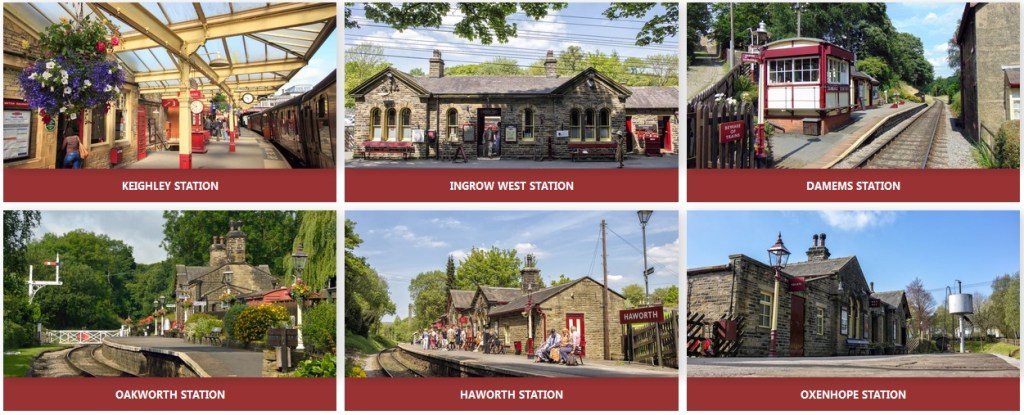
As I used to Live in the town of Keighley in West Yorkshire many years ago I am familiar with ‘The Keighley & Worth Valley Railway’ which is a 5-mile-long Heritage Railway Line in the Worth Valley, West Yorkshire, England, which runs from Keighley to Oxenhope. This Branch Line was purchased by a Group in 1962 and became operational in 1968. It connects to the National Rail network at Keighley Railway Station. This Line and its Stations which are still in use today were built in 1864 when the Line was opened. This Railway is typical of many in the UK that have all types of Steam Locomotives and Trains for people to enjoy.
The Severn Valley Railway:

As I also used to Live in the town of Bridgenorth in Shropshire, Worcestershire many years ago I am familiar with ‘The Severn Valley Railway’ which is a 16-mile-long Heritage Railway Line from Bridgnorth to Kidderminster . This Branch Line was purchased in stages started by a Group in 1962 and became operational in 1970. It connects to the National Rail Network and other Heritage Lines network from Bridgenorth and Kidderminster Railway Station. This Line and its Stations which are still in use today were built in 1862 when the Line was opened. This Railway is typical of many in the UK that have all types of Steam Locomotives and Trains for people to enjoy.
Heritage Trains using Network Rail Main Line Tracks
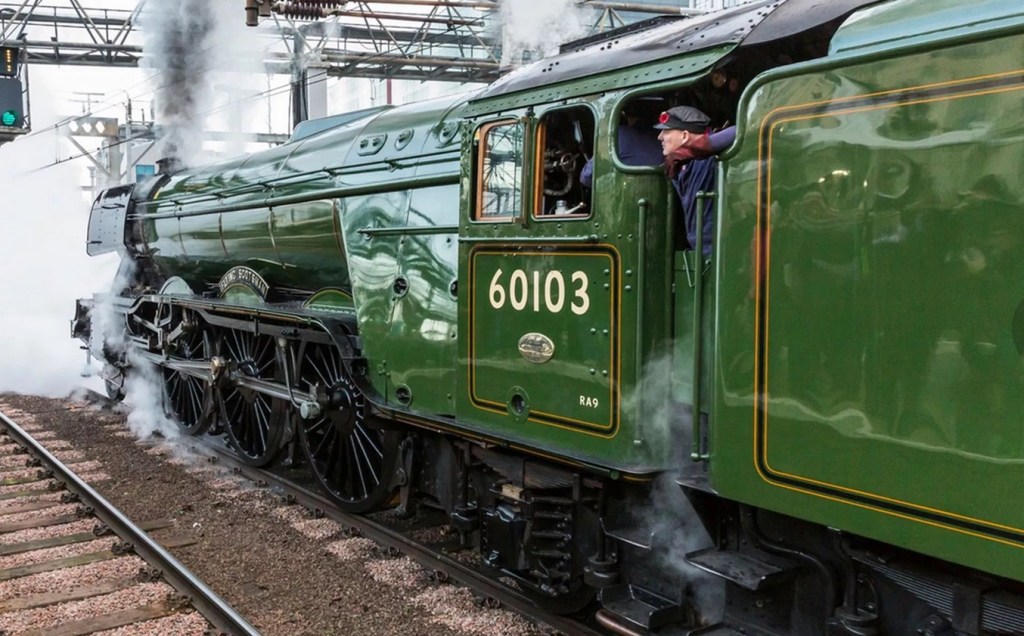
Steam Locomotives were withdrawn from British Railways services in 1968. However due to sustained public interest and the Locomotive Preservation movement Steam Locomotive Trains are still running on the Network Rail Tracks in addition to the Heritage Rail Tracks. This is coordinated by the Steam Locomotive Operators Association. The typical manner in which Mainline Steam Trains are operated is for a promoter or customer to contract a charter Train Operating Company (TOC) to run it on their behalf. The TOCs are the legal entities which are licensed to operate Trains; They are responsible for providing the three-man professional Train Crew consisting of the Locomotive Driver, Fireman and a Traction Inspector and negotiating access to the Network from Network Rail. One type of Locomotive used on the Main Lines is the ‘Tornado’ 60163 manufactured in 2008 from the existing designs from the 1920’s. Others are in progress of manufacture so great is the demand for these types of Steam Locomotives and Trains.

The Steam Age Attraction
Finally, today many thousands of people visit the Heritage Railways, Young and Old as the Steam Locomotive and the older type Carriages in particular seems to attract so many of us not just the nostalgia but the way in which the Steam Locomotives and Trains make strange noises letting off Steam and creating a lot of Smoke that produces that special smell which affects your taste. Also being able to touch this magical Big Machine called the ‘Steam Locomotive’.
 <a href="https://astra283.wordpress.com/wp-admin/site-editor.php?calypsoify=1&block-editor=1&frame-nonce=af705db4bc&origin=https%3A%2F%2Fwordpress.com&environment-id=production&support_user&_support_token&postType=wp_template&postId=pub%2Flivro%2F%2Fhome#site-title-pseudo-link">Training designer</a> - avionic & Aircraft Engineer -- BRYAN HOGGb.e.m