
The Steam Locomotive and Train
When I was a young boy around the age of 10, I have been fascinated by Steam Locomotives and still am at 82.
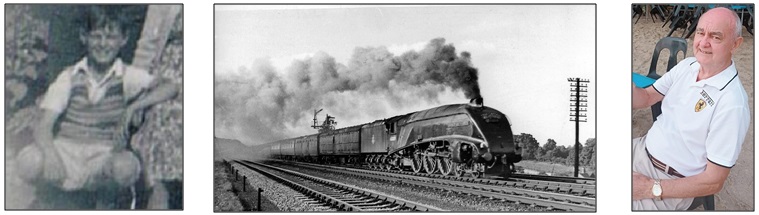
Image: Ben Brooksbank
One of the first recognised successful Steam Locomotive was invented in England by George Stevenson called the ‘Rocket’. Locomotives are also referred to as ‘Engines’ and ‘Trains’ that pull the Trains. A Train is a combination of the Locomotive and Carriages or Wagons. Therefore we will use ‘Locomotive’ for this story. This was the real forerunner to the Steam Locomotives from the 1920’s to the1960’s in the United Kingdom as it used Pistons to drive the wheels. All Locomotives are classified by their wheel arrangement in this case O-2-2. Which means no small non driven front wheels (0) , Two Main Driving Wheels (2) using pistons and two small non driven rear wheels (2).

Image: The Rocket – British Railway Museum UK
For example, a Steam Locomotive is still running today called the ‘Tornado’ which is last Steam Locomotive to be built in 2008 in the UK, wheel arrangement is 4-6-2. Which means four small non driven front wheels (4) , six Main Driving Wheels (6) using pistons and 2 small non driven rear wheels under the cabin (2). Each Locomotive has a specific Number in this case 60163 and on some Trains a name like this one ‘Tornado’. These are very important facts which relate to what is known as ‘Train Spotting’.
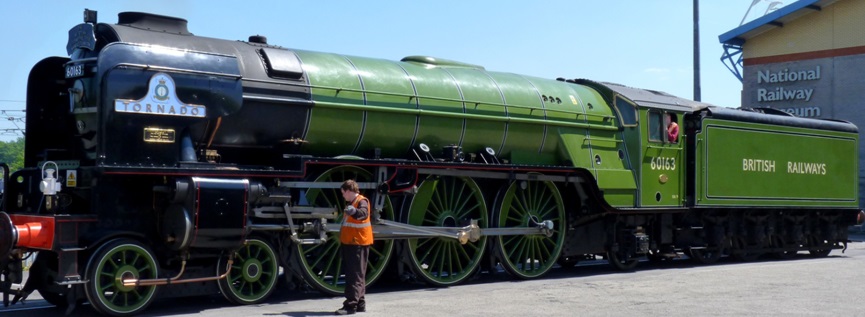
This Locomotive known as the ‘LNER Peppercorn Class A1’ was manufactured to the original design by Arthur Peppercorn in 1948. However, there were many different Locomotives in terms of size, design and configuration. The Railway in the UK in the 1950’s , 1960’s consisted of 4 main railway networks, The London and North Eastern Railway (LNER), London, Midland and Scottish Railway (LMS), Great Western Railway (GWR) and the Southern Railway (SR). They all became part of British Railways (BR).
The Steam Locomotive Basic Operation
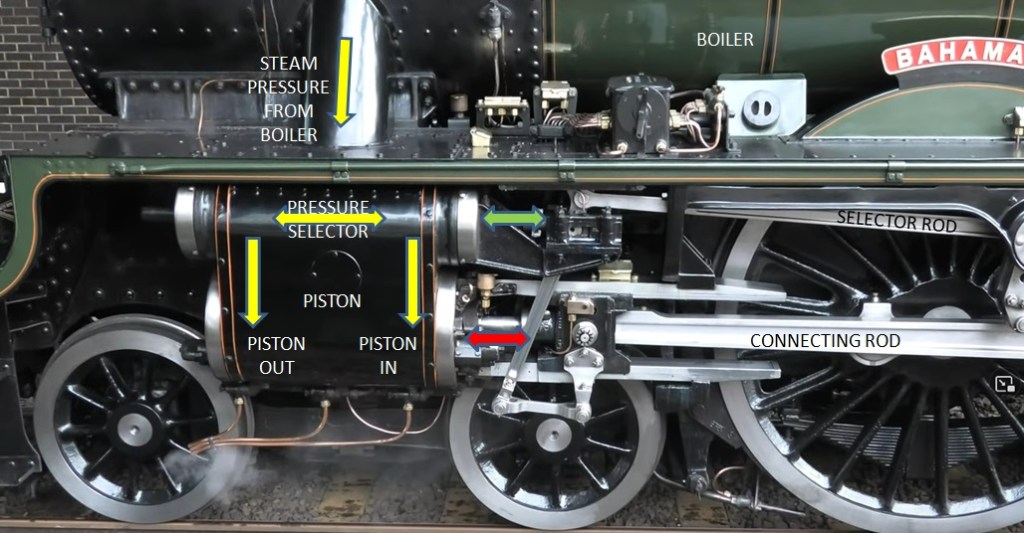
The Basic Operation of a Steam Locomotive is simple.
The Boiler is heated using coal to produce High Pressure Steam.
The High Pressure Steam is fed to the Pressure Selector
This Pressure Selector driven by the Selector Rod connected to the Main Driving Wheels directs the High Pressure Steam to one side of the Piston which makes the Piston go Out and then directs the High Pressure Steam to other side of the Piston which makes the Piston go In.
This then moves the Connecting Rod which is connected to the Main Driving Wheels.
If the Piston goes Out and In once it moves the Main Driving Wheels one revolution. However in practical terms this is far more complex.
The Steam Locomotive needs to be controlled by qualified Drivers . Another important person who is part of the Locomotive Crew is the Fireman who has to keep providing Coal from the ‘Tender’ at the back of the Cabin to the Firebox which heats the Water . He has to ensure the Water supply to the Boiler from the Tender is correct and that the High Steam Pressure is maintained at all times.
The Steam Train World Speed Record
The Steam Locomotive is in fact a magnificent machine which was adopted world wide. The engineering design and manufacture was second to none in the UK. The ‘Mallard’ an LNER Class A4 Pacific class 4468 4-6-2 designed by Sir Nigel Greasley created the worlds speed record of any Steam Locomotive Passenger Train of 125 mph which still stands today. I as a boy at Newcastle Central Station had the privilege of controlling the Mallard on the footplate with the driver for a few yards on its way to London whilst Train Spotting.
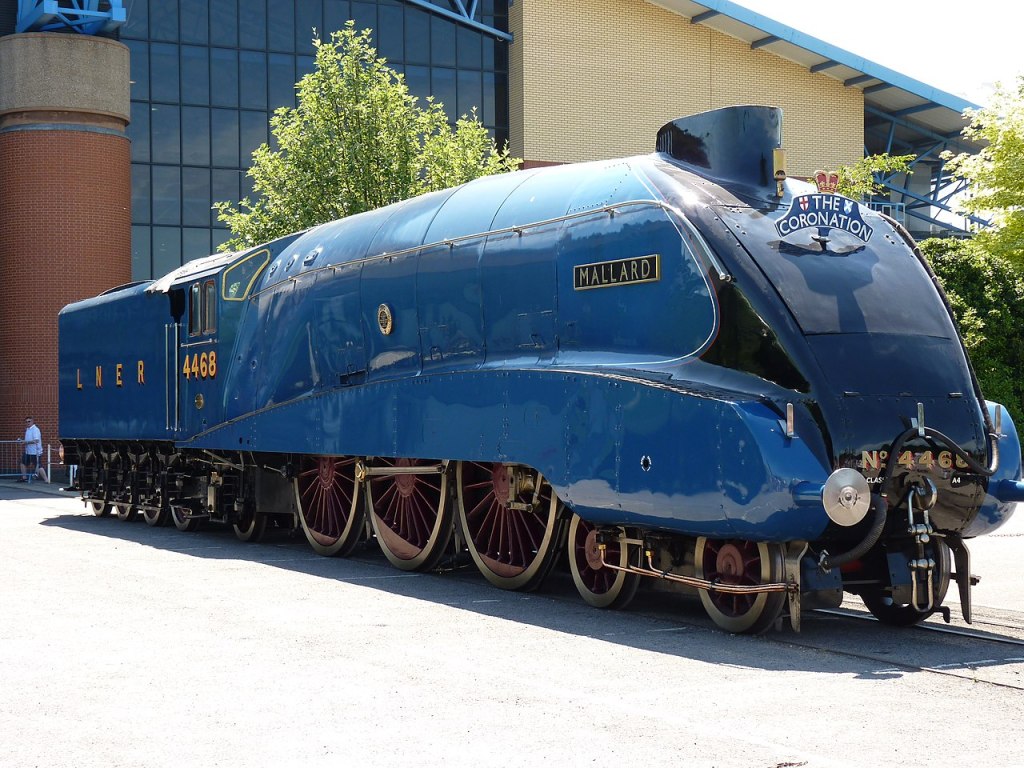
National Railway Museum York England
Goods Locomotives and Trains
Locomotives were used for Passengers and Goods Trains as most of these were very busy as roads were still the there early part of construction. The Goods Trains used small Locomotives for shunting that is moving Goods Wagons to build a Train to go to different destinations in the UK. The mage is ( 32413, 0-6-2). The large Locomotives then moved the Goods Train to the Destinations. These included the War Department Locomotives like the preserved ‘Austerity’ 90733 2-8-0 which were used during the war 1943 to 1945 for Military transport. There were 935 produced the most of any Steam Locomotive in the UK.
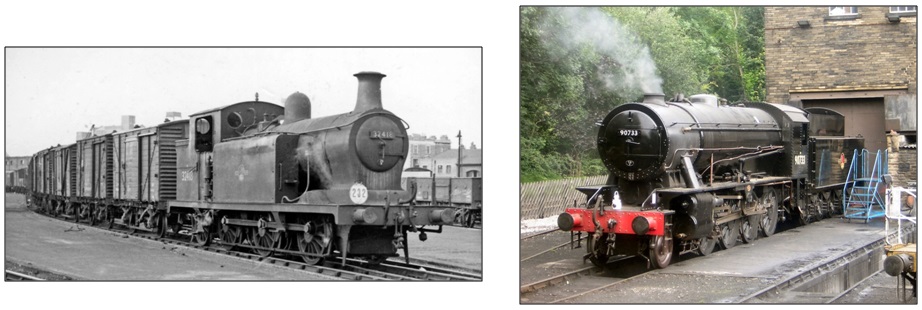
Image: Ben Brooksbank Image: Worth Valley Railway
Passenger Locomotives and Trains
The most famous Passenger Locomotive is the ‘Flying Scotsman’ A1 class 60103 4-6-2 which was built in 1923 in Doncaster Yorkshire, 100 years ago and it is still Operating for pleasure Steam Train Journeys in the UK today. The Image shows the Flying Scotsman Locomotive pulling the Train called the Flying Scotsman with Standard Carriages .There were many different types of Passenger Locomotives but for the Main Lines these were the larger ones like The Mallard and Flying Scotsman.

Image: Geof Sheppard

The most famous UK Passenger Trains which consists of high quality Carriages is the ‘Pullman’. These are special Trains ‘First Class’ only that are used for long journeys such as London to Edinburgh on the LNER line. They were also the fastest Trains with very few stops on the way. In 1969 returning from Singapore I traveled from London to Newcastle on the London to Edinburgh Pullman Train which only took just over 3 hours. Today there are still Pullman Trains used for pleasure Train Journeys pulled by Steam and Diesel Locomotives.

Train Spotting
From the age of 10 in 1951, I was fascinated by Steam Locomotives as a machine but more to do with there Numbers and Names as I started my hobby ‘Train Spotting’. At that time many boys and girls had a passion for looking at Locomotives and referring their number and name to a ‘Train Spotting Book’ which contained almost all the UK Locomotive Numbers and Names. The idea was to spot a Locomotive and then mark you Book to say that you had spotted that particular Locomotive. At the time I lived very near the Railway Line and to Norwich Railway Station and we used to visit my home town in Gateshead which was very near Newcastle Central Railway Station where the LNER London to Edinburgh in Scotland used to stop. Train Spotting was a very popular hobby for children and adults as there was little or no TV or computers mobiles etc and it was very competitive to find out who had the most numbers or a particular special Locomotive.
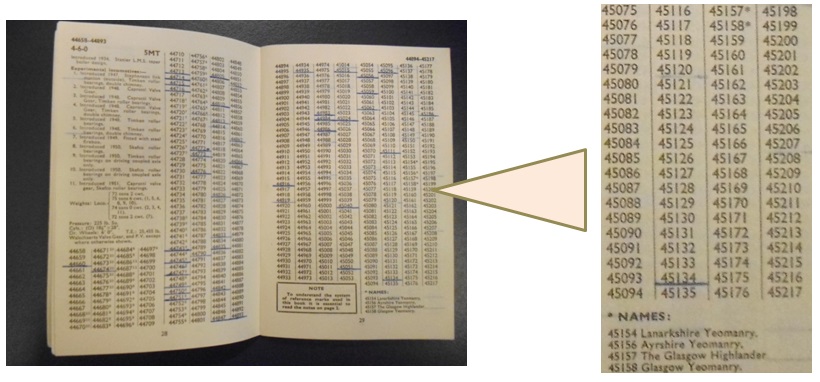
Besides collecting the numbers it was also a social occasion as we would spend all day waiting for the Locomotives coming which allowed us to communicate with each other striking up friendships and camaraderie. Today there are still some Train Spotters but it has now evolved into taking photographs of Steam Locomotives and Trains at the Heritage Railways used for pleasure Train journeys.
Heritage Railways
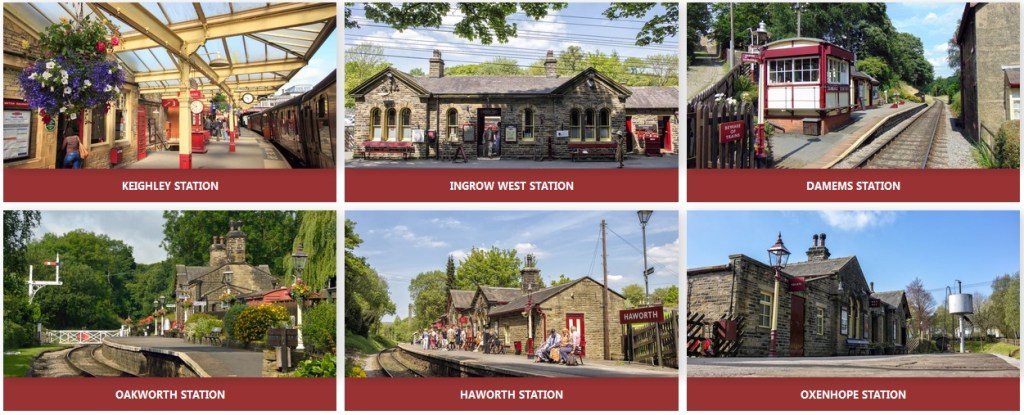
There are many Heritage Railways in the UK. As I used to Live in Keighley many years ago I am familiar with ‘The Keighley & Worth Valley Railway’ which is a 5-mile-long Heritage railway line in the Worth Valley, West Yorkshire, England, which runs from Keighley to Oxenhope. It connects to the National Rail network at Keighley railway station. This line and its Stations which are still in use were built in the 19th Century to serve the Mills a major source of employment. This railway is typical of many in the UK that have all types of Steam Locomotives and Trains for people to enjoy.
The Steam Age Attraction
Finally, today many thousands of people visit the Heritage Railways, Young and Old as the Steam Locomotive and the older type Carriages in particular seems to attract so many of us not just the nostalgia but the way in which the Steam Locomotives and Trains make strange noises letting off Steam and creating a lot of smoke that produces that special smell which affects you taste. Also being able to touch this magical Big Machine called the ‘Steam Locomotive’. Of course we all know that these are ‘dirty’ and ‘smelly’ but many of us still love them.
 <a href="https://astra283.wordpress.com/wp-admin/site-editor.php?calypsoify=1&block-editor=1&frame-nonce=af705db4bc&origin=https%3A%2F%2Fwordpress.com&environment-id=production&support_user&_support_token&postType=wp_template&postId=pub%2Flivro%2F%2Fhome#site-title-pseudo-link">Training designer</a> - avionic & Aircraft Engineer -- BRYAN HOGGb.e.m