
Teaching and Training
There is famous saying ‘Those Who Can’t Do, Teach’ emanating from the George Bernard Shaw’ 1905 stage play ‘Man and Superman’ is a complete fallacy and a great disservice to many of us who are Teaching and Training Professionals as well as, in my case, an ‘Aircraft and Avionic Engineering’ and ‘Information and ‘e’ Learning Technology’ Professional.
‘Teaching’ is related to theoretical and abstract, imparting knowledge and providing information.
‘Training’ is more Hands-On and Practical to develop abilities.
‘Technical Training’ in my case Aircraft and Aircraft Systems is in fact a combination of both ‘Teaching’ and ‘Training’.

However, Technical Training is just not theoretical, imparting information and knowledge it is also the ability to apply that knowledge to practical operations of systems and the ability to diagnose and repair faults that may occur within a system. Those that carry out Technical Training are called ‘Instructors’.
Aircraft, especially the latest ones are a fully integrated machines that use a combination of systems electronic, electrical and mechanical all working in tandem with each other, controlled automatically and/or by the aircrew. Thats why we have several Instructors with different trade knowledge and experience such as Airframe, Engine, Electrical and Avionic Engineers working as a team to ensure we cover all aspects of an Aircraft’s operation and maintenance.
Training Sequencing
The Challenge of a Training Professional is to make complex systems appear to be simple to the students by explanation and reference to previous theoretical knowledge gained by the student.
The first and most important issue for Technical Training is the sequencing of the theoretical fundamental knowledge and information in a way that it provides the building blocks to which the student can refer as they progress through their Training Cycle.
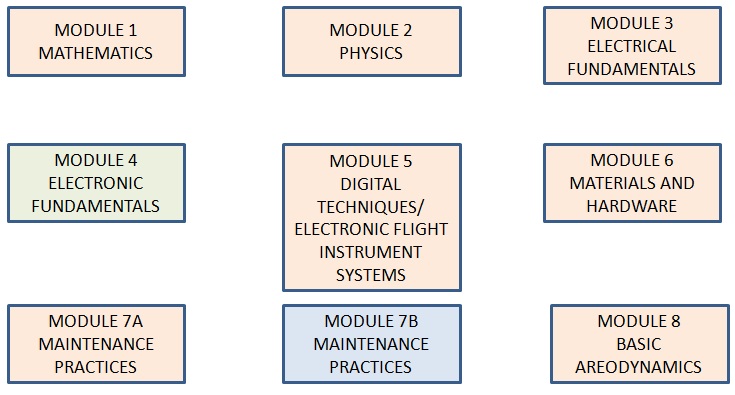
A prime example is the numbering of the Modules and Sub- Modules of the European Union Aviation Safety Agency (EASA) Part 66 Aircraft Maintenance Engineering Licence program syllabus, adopted by the many Civil Aviation Authorities including the Civil Aviation Authority of Malaysia (CAAM).
This simplified diagram shows that before students begin their more complex Aircraft Systems Training they have to learn the Fundamentals first which provides the building blocks they need in the sequence from Modules 1 to 8 except Module 4 for Avionic students and Module 7B for mechanical students.
The more complex theoretical Modules 9 to 17 are completed after Modules 1 to 8.
Training Synchronisation
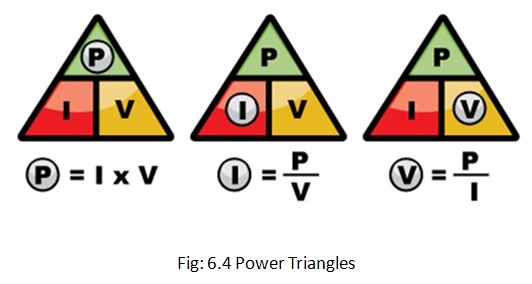
Having achieved the correct sequencing of Training the next important aspect is the Media used to support the Training. It is of utmost importance that the Media is totally Synchronised. What does that mean? It is essential that the content especially the Graphics of the Training Notes should be Identical with Identical Figure Numbers to that incorporated in the Presentation Media such as Power Point Presentations. This is known as Synchronisation. The main reason is that whilst the Instructor is explaining the content on the Presentation Graphic the student can follow in their Training Notes Graphic.
As I have produced or upgraded 80% of the CAAM Modules including Training Notes and Power Point Graphics and Presentations, I am fully aware of the need to simplify information whilst retaining its Validity and Synchronising it as detailed above . This extensive task took me 7 years from 2013 to 2020 to complete.
Training Presentation
Training Presentation can take several forms including:
- Classroom collective learning with the aid of an Instructor and a large display screen and white board.
- Classroom collective learning but using individual computer systems to allow students to learn without the aid of an Instructor.
- Self learning outside of a classroom environment accessing the Internet using computers or hand held devices such as Mobiles and Pads.
Each of these options have there advantages and disadvantages but in this case I want to consider the first option, which having many years experience in Technical Training Design and as an Instructor, I believe to be the most effective.
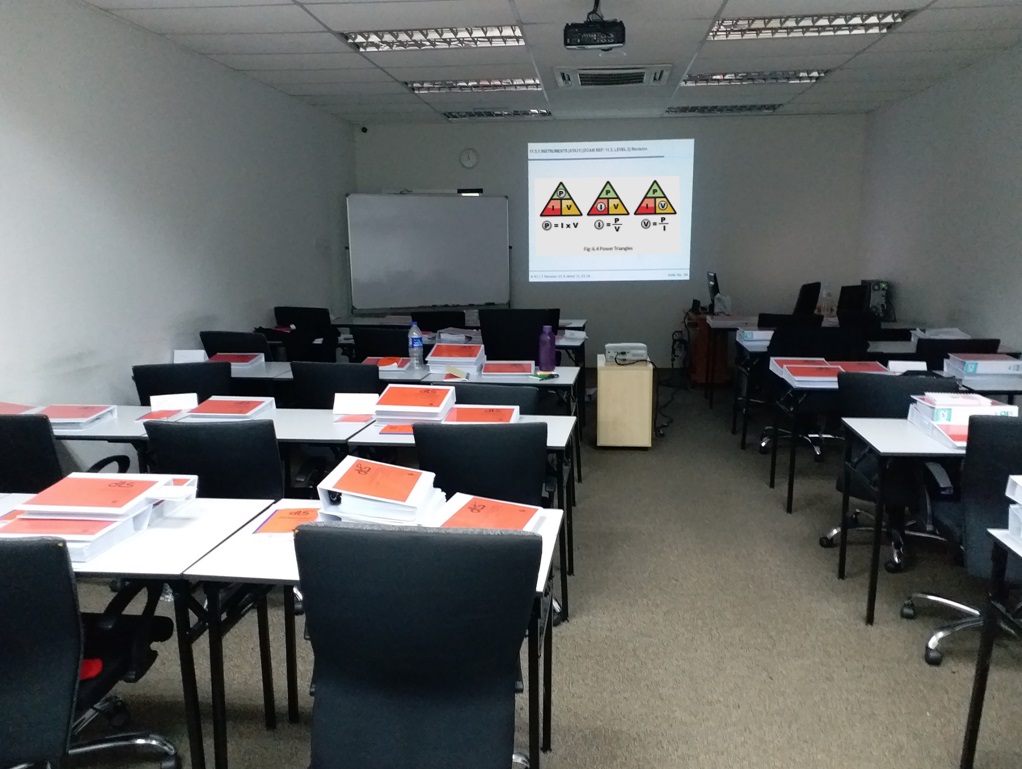
However, there is a caveat to that belief which concerns the quality of the of the Presentation Media and information that is used for the Presentation and the quality of the Instructor who is Presenting the Technical Training.
Presentation Media
As we have already discussed that the Training Media must be Synchronised at all times. However, some may think that my Presentation should include the Training Notes Text word for word, which I have seen. This is in my opinion totally wrong both visually and as a training technique, as the Presentation Media should be primarily be based upon Graphical Images and/or Animations with the minimum amount of Text excluding Labels.
Why Graphics? It has been scientifically proven that most of our learning comes from our Vision. There is a saying which is true ‘A Picture is worth a thousand Words’. What some do not realise Text is in fact a Picture but a very complicated one which must be interpreted. Therefore a Graphical Picture on screen without Text is much easier for us to interpret.
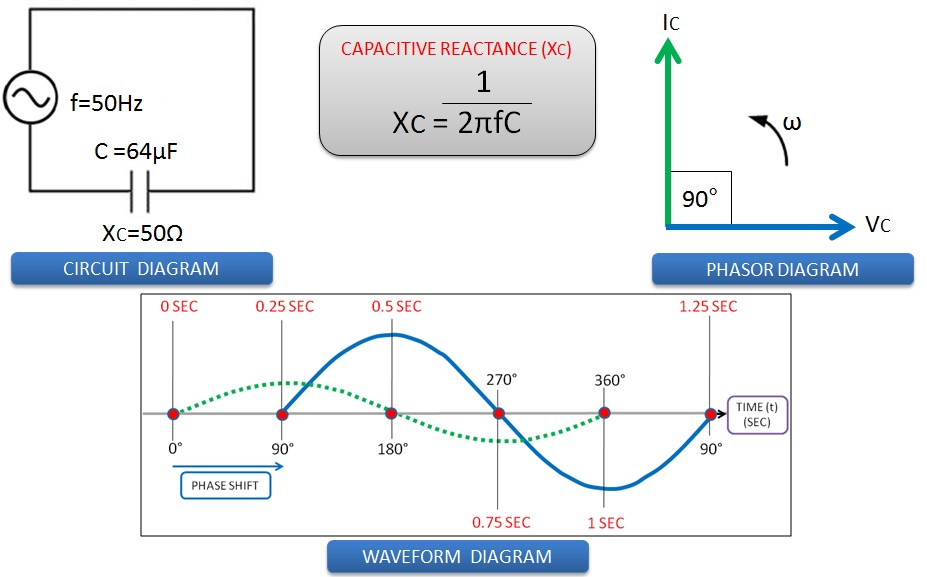
Another Presentation technique is to ‘Build-Up’ an Image such as a Block Diagram in steps which avoids the brain having to take in all of the information at once. However, this may not be possible due to time constraints for the lesson.
Technical Training Instructors
High Quality Technical Training Instructors are a those that have the two main qualities.
- An in depth knowledge and experience of the subject matter being presented to the student.
- Have the ability and skills to present the subject matter in a manner that motivates the students to learn, is accurate and interesting using the the correct ‘Training Techniques’.
However, this is not always the case as some Instructors have the knowledge and experience but are unable transfer that to the students correctly. Some have the ability to transfer the information to the student but lack the in depth knowledge and experience to transfer the correct Technical content. Both of these cases are detrimental to Technical Training, however sadly there are many cases that I have experienced in my long Technical Training career.

I was very fortunate to have received an ‘Instructional Techniques’ course and later a ‘Management of Training’ course being the in the Royal Air Force (RAF) as an RAF ‘A’ Class Instructor and Officer In Charge of a RAF Harrier Aircraft School. I was a Senior Training Officer at British Aerospace (BAe). After 18 months at BAe I started by own Computer Based Training (CBT) business in 1988 developing e Learning for the RAF Harrier and Tornado Aircraft which I had extensive maintenance and operational knowledge and experience. My final project was as a Training Consultant from 2013 to 2020 at a CAAM School In Malaysia. ( See my previous posts).
Training Aids
Technical Training can be enhanced significantly by using what is known as Training Aids. This term can relate to very simple additional information by the Instructor on a white board to complex Training Rigs used to demonstrate systems and sub-systems. Showing individual real components in the classroom to support the lesson are very valuable Training Aids. I have created many Training Aids some of which were very complex but it made the students understanding much easier. I have used an ‘off the shelf ‘ MS Flight Simulator to show the fully animated operations of the Boeing B777 Aircraft and its Avionic Displays in ‘real time’ whilst in flight during the lesson and as consolidation of the Avionic Avionic Displays information.

Instructor Student Interface
One of the most important part of Technical Training is the Interface between the Instructor and the Student. In the majority of cases Technical Training is related to the future or present Occupation the student may have, therefore it is vitally important that the student has confidence in what information is being provided to them by the Instructor.
Today it is so important for the Instructor to know what he is teaching the students is technically sound, as they will also have the ability to go to the internet to confirm what they are being told is correct or otherwise. However, after a short while they will judge the Instructors not just on their technical knowledge but how that information has been presented and explained to them by the Instructor. This feedback is normally an ‘Instructors Assessment Form’ that the students are required to complete.
There have been many times where the students judge one Instructor against another Instructor and provide feedback which can be positive and negative. That is why I have been involved in regular formal Instructor Performance Assessment both in the RAF and as a Consultant for the CAAM School which is vital for the Training Organisation. This involves sitting in the classroom with the students assessing, the Instructors Instructional Techniques, Interface with the Students and Technical Correctness. This Performance Assessment can be planned and/or impromptu depending upon the results from previous Assessments and any corrective action that has been suggested to the Instructor after the previous Assessment. This is a ‘Formal Assessment’ and all details comments are to be recorded on a Form or as a Report.
Student Assessment
Finally is the Students Assessment which can be informal or formal. The purpose of Student Assessment is to measure the amount that the students have learnt.
Informal Student Assessment is normally based upon ‘Question and Answer’ sessions within the classroom during and after the lesson, which gives the Instructor feedback to measure what the students are learning. Another form of informal assessment is to provide the students with a ‘Mock Examination’ based upon the type of questions they may be asked on their formal examination.
Formal Student Assessment is designed to ensure that the student has learnt sufficient to obtain a set ‘Pass Mark’ which can vary in different organizations but is normally around 70% to 75%. These examinations will determine whether the Student will achieve the overall standard required by the Authority, in the case of Aircraft Systems in Malaysia CAAM. Given that the student achieves the required standard the they will be given a formal certificate which is recognisable in law.
 <a href="https://astra283.wordpress.com/wp-admin/site-editor.php?calypsoify=1&block-editor=1&frame-nonce=af705db4bc&origin=https%3A%2F%2Fwordpress.com&environment-id=production&support_user&_support_token&postType=wp_template&postId=pub%2Flivro%2F%2Fhome#site-title-pseudo-link">Training designer</a> - avionic & Aircraft Engineer -- BRYAN HOGGb.e.m