
This is the story of my life in the British Military, The Royal Air Force (RAF) from joining in 1961 to leaving in1986. Originally I volunteered to join the RAF for 5 years but I ended up serving 25 Years.

RAF Attestation
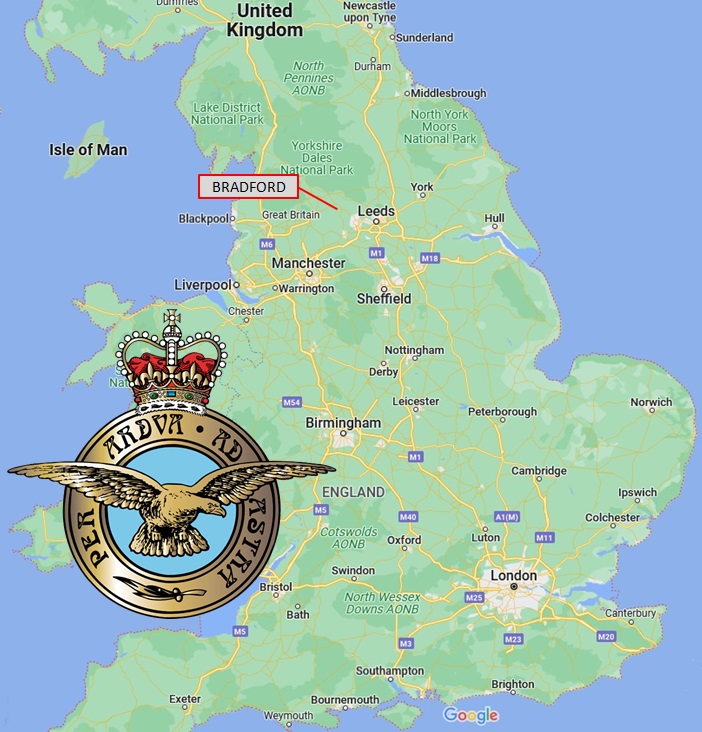
The Attestation Service is the “swearing in” of a person into the Great Britain’s Military Service. RAF Form 60A (Revised Sept 1954) is the Royal Air Force ‘notice paper’ or attestation document. My Attestation was undertaken on 15 November 1961 in the Bradford, West Yorkshire, England recruiting office.

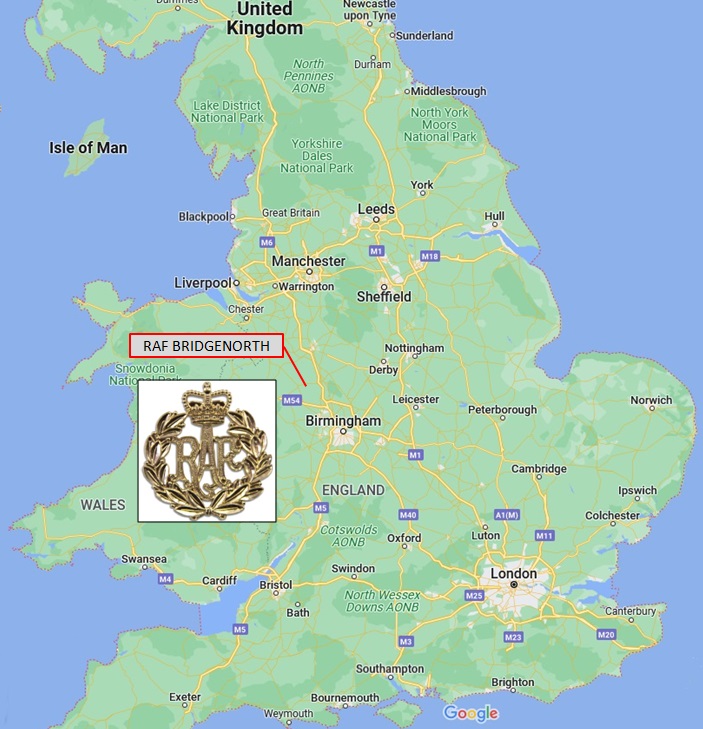
Basic Military Training
It was the winter of 1961 when the blizzards and the severe cold arrived at Royal Air Force (RAF) Bridgnorth Shropshire in England where I, as a raw recruit 20 years old arrived for Basic Military Training known as ‘square bashing’. There were many of us not knowing what to expect but we soon realised this was not going to be a holiday as the men who were going to train us appeared.
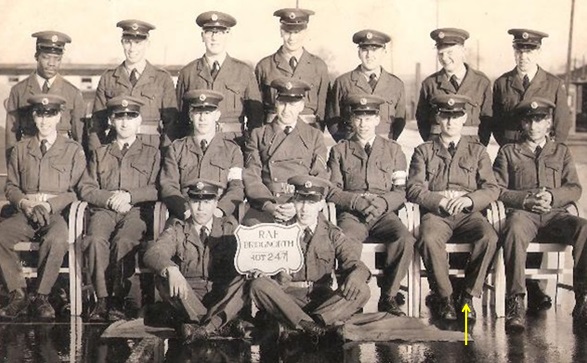
We were allocated to different wooden accommodation Huts. Our Hut was numbered 247 and we had a very tall smart looking Corporal Drill Instructor (centre) who when first meeting us was very fierce and shouted commands at us very loudly.
The normality of doing basic training was also affected severely by the weather, as we were still expected to do our marching and rifle drills in the deep snow and freezing conditions, which was not only difficult but at times comical even making our very strict drill instructor smile. This comforted us in a way as we could see he was not as fierce as he appeared which over the next eight weeks created a very good bond resulting in our team doing very well when we did our final marching and drill parade in January 1962.
Career Allocation
On completion of our Basic Training we became Aircraftsman and were then allocated to different Careers based upon educational and aptitude tests. I was extremely fortunate to be allocated to the Aircraft Electrical and Instrumentation, a high profile trade, but with many years of technical training ahead of me which I was excited about as I wanted to work on the Aircraft.
Pre-Basic Technical Training
I had to wait for some time before being allocated to my Basic Technical Training course and was posted to RAF Manby in Lincolnshire England.

The first aircraft I worked on as an assistant only, was a Meteor which was the latest jet aircraft in service with the RAF at that time. It was so cold that it was very difficult to hold the tools to do the tasks we were set, however, it was a good character building experience which would be necessary for the years ahead.

It was a different life style too, especially living with 17 other people in a dormitory arrangement; however it was good fun, especially after coming in from the pub at night listening to all of the stories young men normally tell. However, there were times when relationships became strained but again it was a good learning experience dealing with difficult human problems. Another aspect in those days was the friendships that developed with certain people who had similar values to me.
Electrical and Instrument Mechanics Training Course
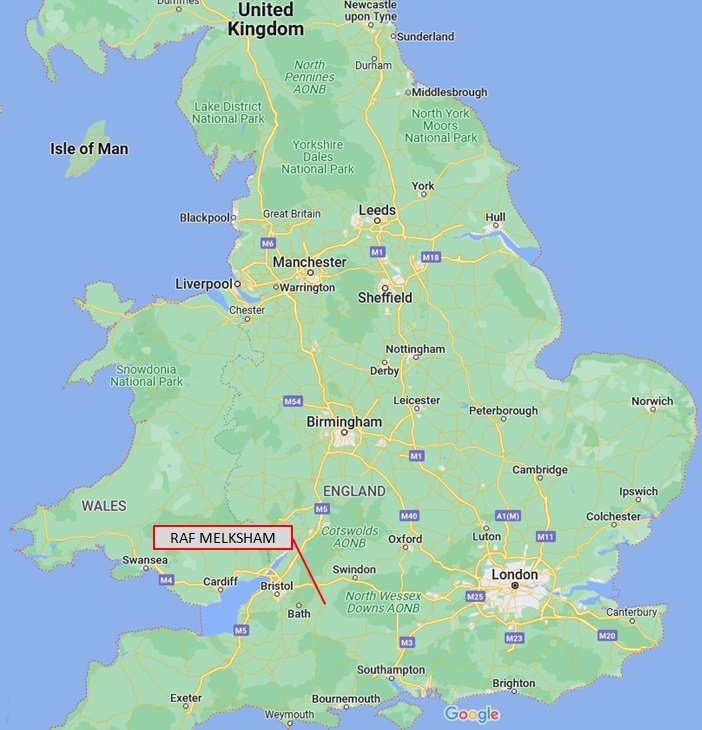
During the middle of March 1962, I left RAF Manby for RAF Melksham 12th School of Technical Training in Wiltshire in the south of England to undertake my Electrical and Instrument Mechanics training course. This was to be the start of my technical career in the RAF.
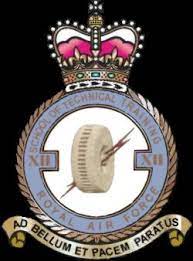
The technical training was extremely interesting and quite hard which included a lot of mathematics, physics and basic fundamentals. At that time a new system of training was being tried which was called ‘Autotuter’. Little did I know that much later in life this would be similar my business that I founded. I was very lucky being selected to do my Mechanics course using ‘Autotutor’ which was a 35 mm film strip with 10,000 images controlled by an electronic system. Most of the time it was a question and answer system and if you got the question correct you moved onto the next subject, if not it went back to the subject. The instructor was on hand to answer questions. Half the class were allocated to the normal ‘Instructor Collective Learning’ and the other half including myself to using the ‘Autotutor Self Learning’ system.

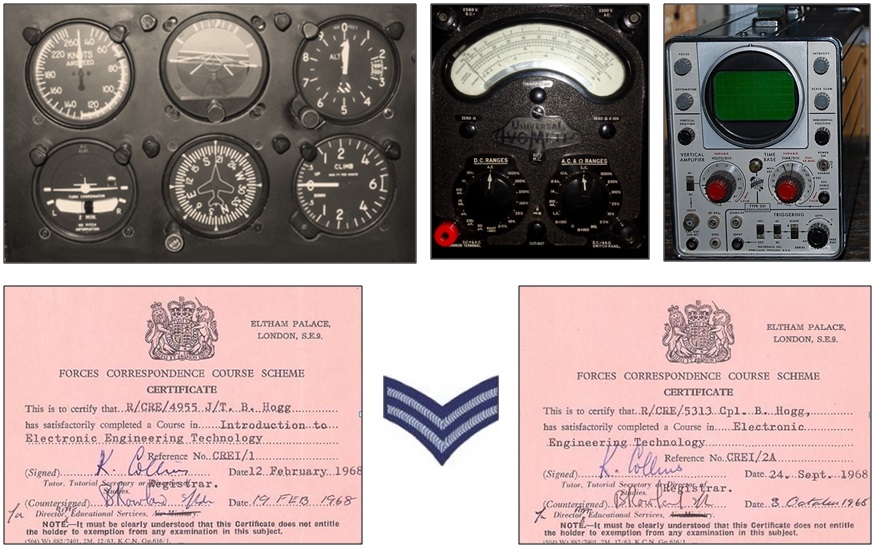
In addition we had practical lessons such as soldering and making up electronic boards using electronic valves as transistors were just starting to be used. We also learnt how to use electronic test equipment such as an Oscilloscope and an Avo-meter to test the electronic board we made. We learnt about basic flying instruments and inputs.

At the end of the six months training we took the final exams and passed out as Leading Aircraftsman (LAC’s) Aircraft Electrical and Instrument Mechanic as we were known. We could now wear our two propeller badges on our uniform arm which made us so happy.
RAF Little Rissington – Central Flying School
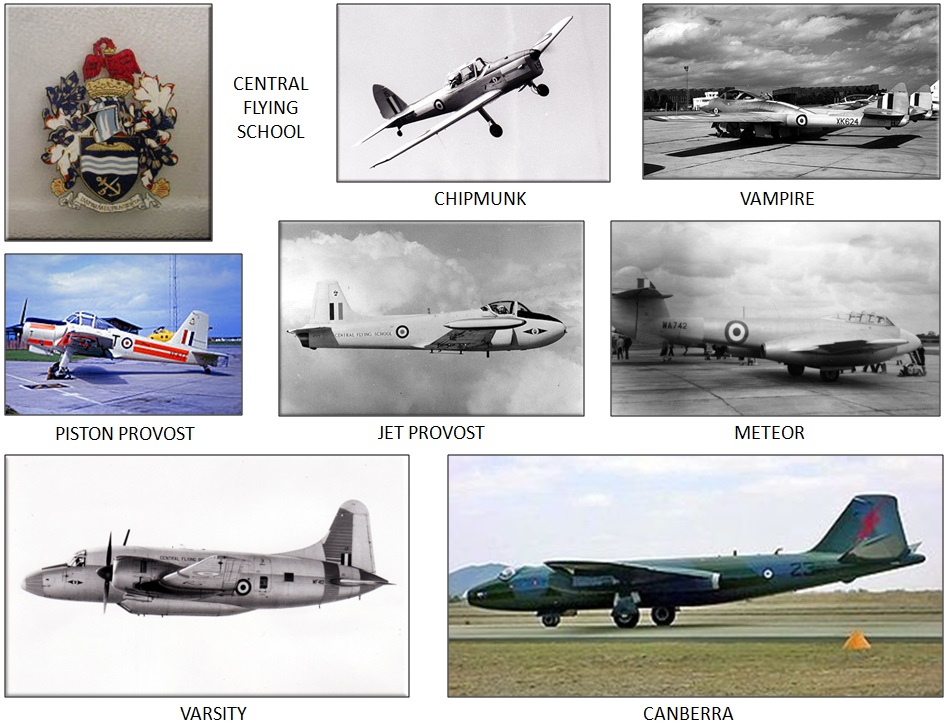
I was then posted to RAF Little Rissington, Shropshire, England the RAF’s Central Flying School where my real RAF aircraft servicing life would begin. I was allocated to the Aircraft Servicing Flight where the schedule servicing was done. This was ideal for me to learn as much as I could about all aspects of various types of aircraft not just my own Electrical and Instruments tasks.

This period was one of intense learning about all of the technical and safety aspects of working on aircraft especially those with ejection seats which were very dangerous. Another problem was that the older jet engines used in the Vampire and Meteor were high pitched and very noisy, little did I know later in life this would affect my hearing as we had no ear protection at that time.
Whilst at Little Rissington, in October 1962 the USSR were planning to put Nuclear Missiles in Cuba, a country next to the United States of America (USA). The USA’s President Kennedy decided to block the Russian merchant ships nearing Cuba with the Nuclear Missiles on board. The Russians threatened to start a Nuclear World War if this was done. That being the case all of the British forces including the RAF was put on a very high state of alert ready for the war including me. However, this war was averted when the USSR saw that the USA was not going to back down and ordered their ships to return to USSR.

In November 1962 I was promoted to Senior Aircraftsman (SAC) which allowed me to do more in depth aircraft servicing.
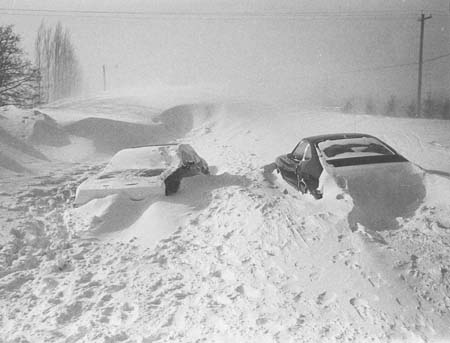
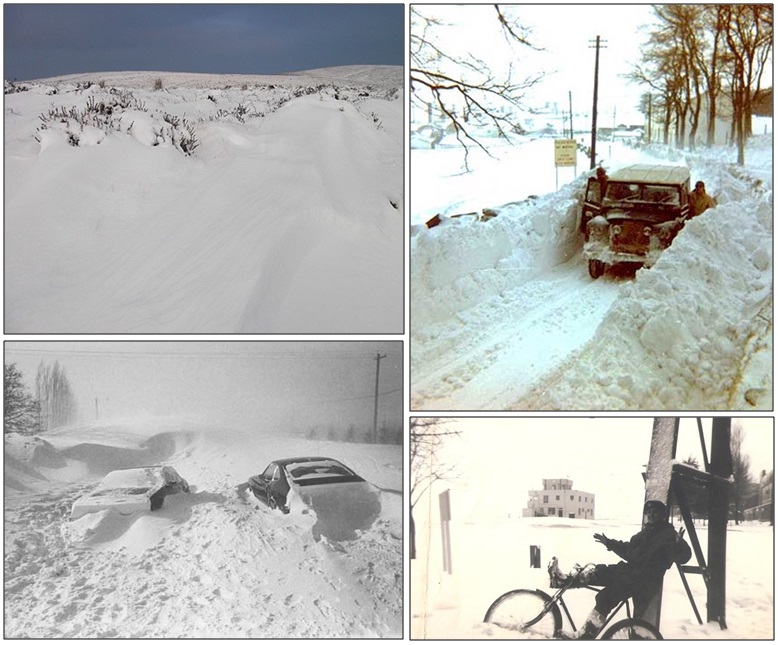
It was Christmas 1962 and I had just got back to RAF Little Rissington on Christmas Eve as I was on duty, when the snow began to fall. RAF Little Rissington is on the top of a hill and the nearest main village was Bourton-On- the Water and the Railway Station was at the bottom of the hill 2 miles away. There was only about 30 people at RAF Little Rissington as most of the others were on Christmas leave. Although the snow and winter in 1961 was bad this was to be the worst winter in Britain since 1947.
It was decided after a week that the guys who were on the station should try to cut away through using the airfield snow plough and the Land Rovers. However, this was not going to be easy owing to the vehicles and us freezing up in the bitterly cold conditions and the depth of the snow almost reaching the top of the Land Rover. After many days we were able to reach the railway station and the main road at the bottom of the hill, but the severe winter would last until early March 1963. However, at times we needed to relax like me on my bike near the hangar.
Electrical and Instrument Technicians Training Course
My work and RAF career was paramount as I loved the life style and challenge that we seemed to have every day. In Jun 1964 I was selected to go on my Electronics Fitters’ (Technicians) course for promotion but it was going to be a long and difficult course, involving complex mathematics and learning advanced electronics and complex aircraft equipment’s such as Autopilots and Navigation Systems. The course started at RAF Melksham where I had done my Mechanics course but a few weeks later we were transferred to RAF Newton near Nottingham England.
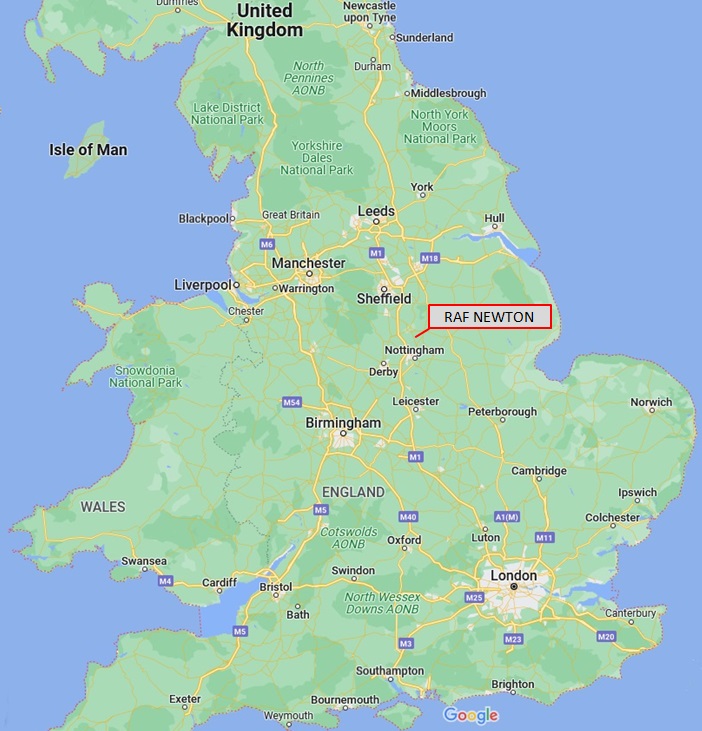
At RAF Newton we had to study very hard especially electronics and electrical theory, electrical and electronic components and electrical circuits, however I enjoyed electronics and did very well passing my exams throughout the year. I was especially interested in Autopilot Mk 9 and Mk 10 which was very complex but in later years would help me when I became an Instructor.

In May 1965 I passed my Electronics Fitters (Technicians) course and was promoted to Junior Technician and returned to the Aircraft Servicing Flight at RAF Little Rissington where I could undertake more complex servicing and rectification tasks.
RAF Emergency Standby – Singapore and Malaysia
In 1961, the island of Borneo was divided into four separate states: Kalimantan, an Indonesian province, was located in the south of the island. In the north were the kingdom of Brunei and two British colonies: Sarawak and British North Borneo (which was later renamed Sabah). As a part of its withdrawal from its Southeast Asian colonies, the UK moved to combine its colonies of Borneo with those on peninsular Malaya, to form Malaysia in 1963. Malaya who had gained independence from Britain but was still a commonwealth country where the British, Australian and New Zealand forces supporting the fledgling Malaysia forces to fight an undeclared war with the Indonesians in Borneo which would go on until August 11th 1966.
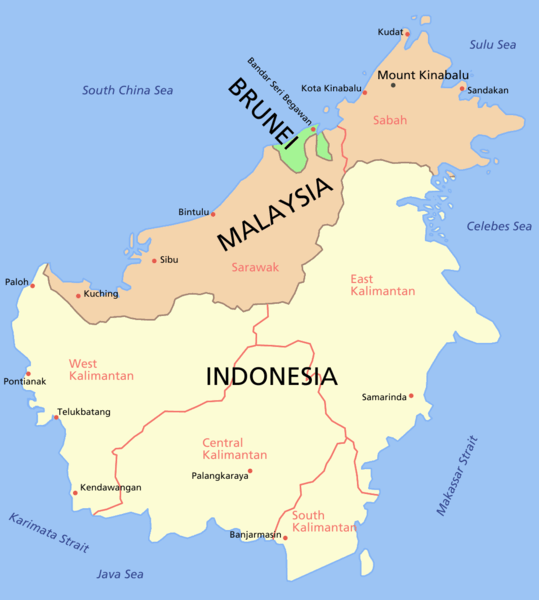
In February 1966 I amongst others was selected to go on a special trial mission to construct 4 Jet Provost aircraft which were sent to Singapore RAF Seletar (in boxes). After construction they would then used in support of the jungle warfare going on in north Borneo (Malaysia) at a later date. The aircraft and we were attached to the Royal Australian Air Force (RAAF) base in RAF Butterworth, Malaysia for jungle warfare trials.


On completion of our mission we flew back to Singapore in a Beverly aircraft and after a few days started our journey back to England. However we were assigned to fly in a VC10 hospital aircraft, which would stop in Gan an island part of the Maldives in the Indian Ocean for 5 days. This was very enjoyable diving from the Jetty into clear blue water with all of the beautiful coloured tropical fish.

Gnat Aircraft Project Team RAF Little Rissington
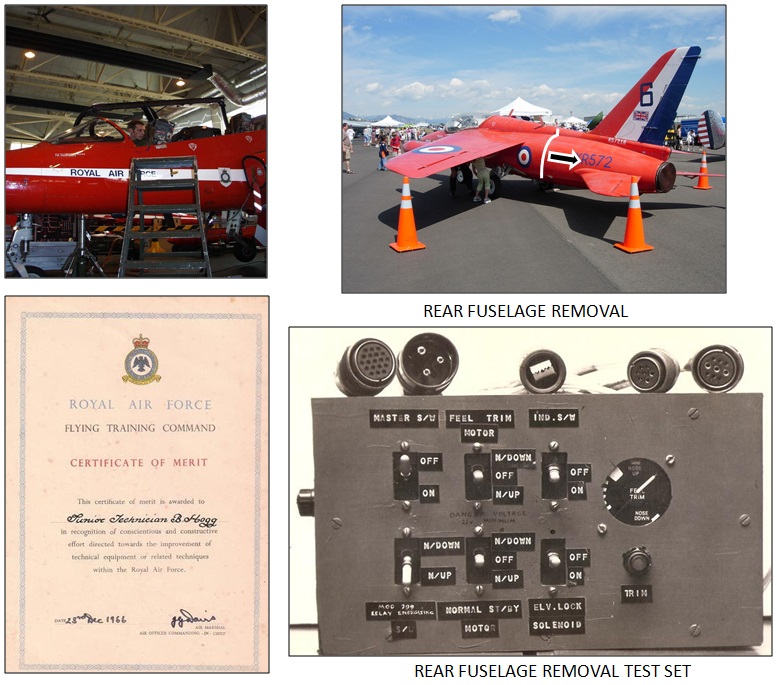
On my return to RAF Little Rissington from Malaysia in April 1966 I was appointed to the newly acquired Gnat Aircraft Project Team. The Gnat was a small advanced training Aircraft having the latest electronic navigation systems. I was very proud to be part of this team especially as a young Junior Technician. Working on the Gnat aircraft with others gave me the first opportunity to use my innovative nature to invent new ways of doing things and designing and making the equipment for achieving this. To remove the engine of the Gnat the tail section of the aircraft had to be removed and refitted when the engine was replaced. However, there was no way of checking that the aircraft flight controls and liquid oxygen systems before fitting the tail section back to the main fuselage. I invented a test box for doing this. This was to be my first formal invention which would be submitted for approval of use by the RAF, receive a small sum of money and be awarded a Certificate.
RAF Seletar Singapore
In December 1966 I was posted to RAF Seletar in Singapore where I was some months earlier. The journey to Singapore was on board an RAF passenger airliner the Britannia but it had to stop every 6 hours to re-fuel. Our first stop was Cyprus, then Kuwait, then Columbo in Ceylon (now known as Sri Lanka). Whilst taking off from Columbo for Singapore the aircraft hit a flock of large birds and it caused one of the engines to stop and fuel was leaking from the engine. I count myself extremely lucky to be alive due to the skill of the pilot and the fact the fuel did not explode which it could have done on the hot engine.

I was assigned to 390 Maintenance Unit (390 MU) which was responsible for servicing Electronic Test Equipment and Aircraft Equipment such as Autopilots. During my posting to RAF Seletar I was promoted to Corporal in May 1968. The Electrical section where I worked was a mix of RAF personnel and local Singaporeans.

The types of equipment in the main needed to be ‘Calibrated’ which was one of our main tasks besides any repairs that were required. At that time I was very interested in Electronics and undertook a correspondence course for Advanced Electronics. Another interest was doing training in basic and advanced electronics. I was asked to do training for many RAF SAC mechanics so that they could take their technicians exams in Singapore. The Electrical and Instrument Trade now became ‘Flight Systems’ During my posting to RAF Seletar I was promoted to Corporal in May 1968.
RAF Cosford RAF No2 Training School
On leaving RAF Seletar in Singapore in April 1969 I was posted to RAF Cosford the RAF No2 Training School in Shropshire in England as a Technical Instructor to train Flight Systems Mechanics and Technicians.

My job at RAF Cosford was just what I wanted, training Mechanics and Technicians basic electronics and aircraft equipment’s such as Navigation Systems, Bomb Sights and Autopilots. I designed and made many dynamic training aids especially for the Autopilot which illuminated all of the contacts using ‘P’ lamps on a 8×4 Circuit diagram when different modes were selected on the Autopilot Control Panel. Another was using the Autopilot Gyro Unit mounted on a wooden aircraft platform that was connected to the servo motor to demonstrate torque applied by the servo motor when torque applied to the aircraft. I was fortunate to be chosen to develop the training and then teach the latest Weapon Aiming and Navigation Systems for the Jaguar and Harrier Aircraft. This helped me in my career and my future assignments many years later. These were my RAF and Civilian colleagues of the Navigation Systems Squadron.

In December 1971, after being specially recommended for accelerated promotion, I was promoted to Sergeant. I continued with my training design and Instruction until 1975. The 6 years at RAF Cosford with my colleagues were immensely important and enjoyable part of my RAF career.
RAF Wittering – Home of the Harrier Aircraft
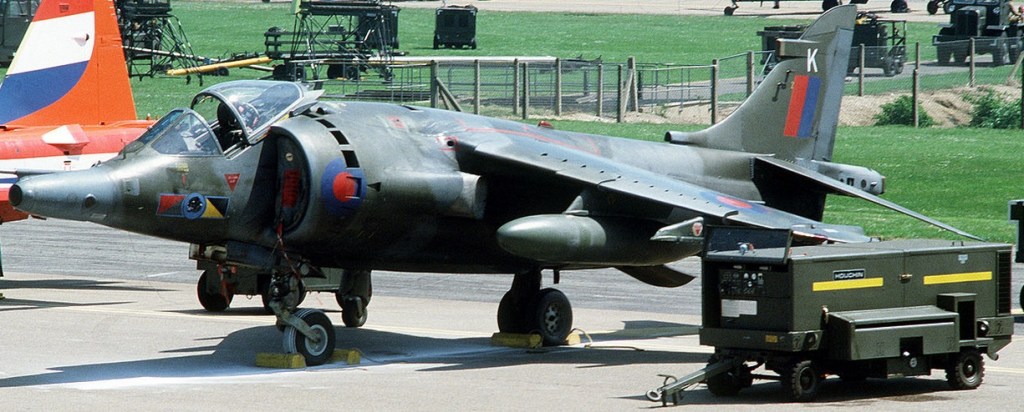
In May 1975 I was posted to RAF Wittering the home of the famous Harrier Aircraft (known as the jump jet) which would be a major part of my RAF Career. My first department was in the Electronics Servicing bay where I learnt a great deal about the internal operation of the Harrier Aircraft, Inertial Navigation and Weapon Aiming System known as INAS. The Harrier shown is a RAF Wittering, Operational Conversion Unit (OCU) GR3 which operated in the mid 70’s when I arrived at RAF Wittering.

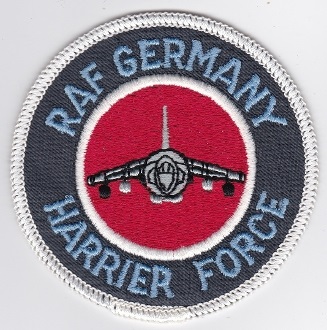
However, I wanted to work on the Aircraft itself so I volunteered to go to RAF Germany to be part of the ‘Harrier Force’ which was facing the Soviet Union (Russia, East Germany and other eastern block countries). This period was very dangerous and was called the ‘Cold War’ where military forces from the NATO (US, Britain, Western Germany and other European and World countries) were on 24 hrs standby for war with the Soviet Union.
Little did I know I would return to RAF Wittering in a very different role some years later. Before going to RAF Germany I attended a Harrier Inertial Navigation Attack System (INAS) Course at RAF Conningsby in Lincolnshire Jul 1975. This lasted 6 months learning about the INAS fitted to the Harrier Aircraft. This course would be assigned to the same squadron as myself and would be part of my team in RAF Germany.
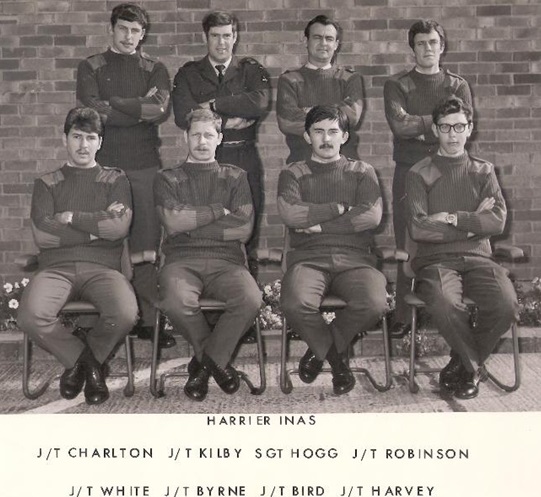
RAF Wildenwrath – 20 Squadron Germany
I arrived at RAF Wildenwrath in January 1976 in central West Germany and assigned to 20 Squadron Harriers. A squadron is a number of Aircraft normally 18 and all of the personnel who Fly and Service them. This is a complete unit that can be sent anywhere in the world as a group. The Harrier is designed to fly from woods and fields besides the normal airfields.

Being in the Harrier Force all the personnel had to learn to protect our Squadron and ourselves from enemy attack. I remember one night when we were attacked by the Belgian Commandos one of my Officers had his front teeth broken by one of the attacking Commandos but that’s what we had to expect preparing for attacks by the Soviet Union forces if they ever came. However our Prime task in the field was to ensure our aircraft were fully serviceable and could operate at any time from our camouflage aircraft hides. We were all housed in tents with sleeping bags and camp beds which at times was extremely cold especially in the early year deployments. When we deployed we had to take everything with us, tools and supplies which meant we had quite a number of vehicles, lorries and trailers, Land Rovers and Unimog’s a special vehicle for towing our aircraft (shown in the image below)
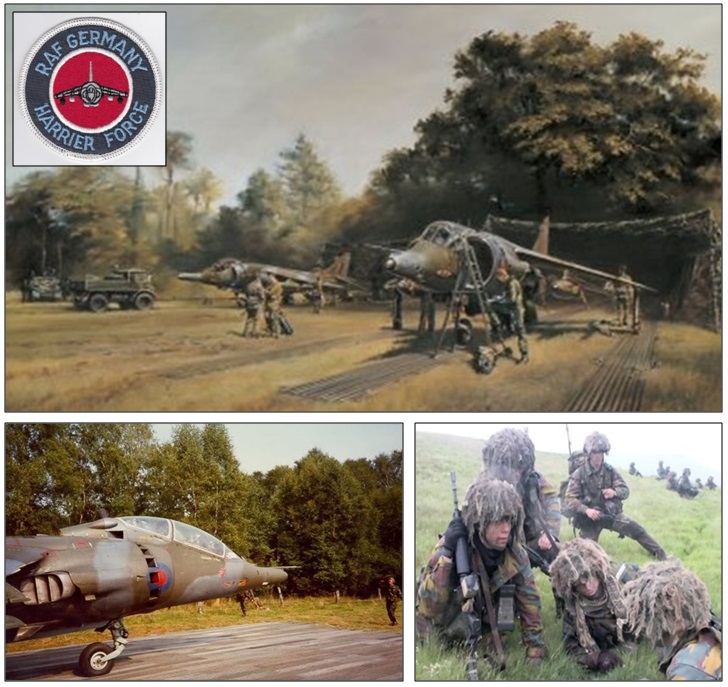
This is was one of our aircraft and the first Harrier I worked on. Although I had a knowledge of the INAS system and other Flight systems which was an integrated and complex system. I wanted to ensure that I had a thorough knowledge of the Harrier and typical faults that occurred. I instructed my men that I wanted to do the rectification with them to learn and maybe improve our servicing techniques.

RAF Gutersloh – 4 Squadron Germany
Due to a reorganisation of the Harrier Force, 20 Squadron was disbanded and we were all assigned to new squadrons. I was assigned to 4 Squadron and moved to RAF Gutersloh in the north of West Germany in January 1977.
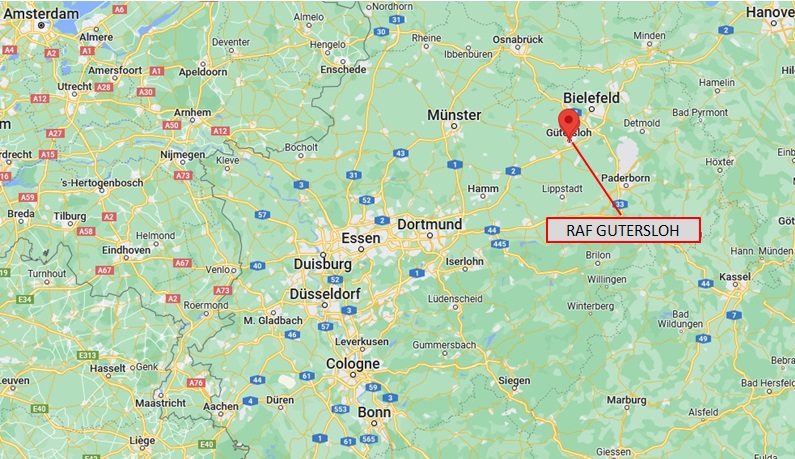
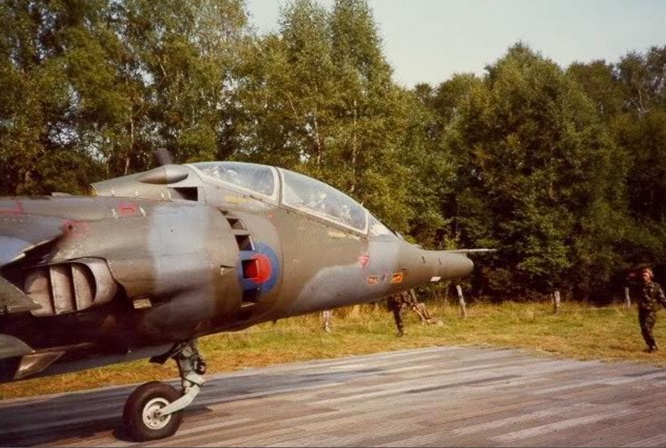
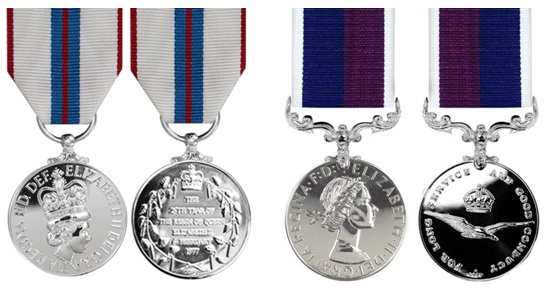
In June 1977 I was awarded Her Majesty the Queens Silver Jubilee Medal for meritorious service on the Harrier Force. This was the first medal I received and it was again a very proud day in my life. This medal was awarded to specific people who were part of the Commonwealth and it was in commemoration of the Queens 25th year on the Throne of England. In December 1977, I received the RAF Long Service & Good Conduct Medal. This is awarded after 17 years of continuous service which most servicemen received in recognition of Long Service & Good Conduct.
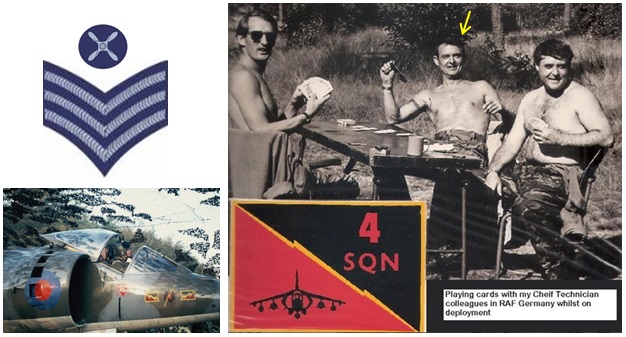
In June 1978 I was promoted to Chief Technician and became the Avionics (Aircraft Electronic Systems) Trade Manager. The Deployments were very hard physical work but very exciting and interesting, however on rare occasions we had time to relax and enjoy playing cards in the middle of the field where we were camped.
Even with all of the responsibility I had, my desire to invent things that would be useful did not diminish. One of the problems servicing Aircraft in a field or the woods is that you can easily drop your tools and nuts and bolts that you take out of the cockpit in the grass making it almost impossible to find. So I invented a small platform that could be placed on the Aircraft when servicing which I am demonstrating and using. This was affectionately known as the ‘Bird Table’ and was adopted by the RAF for all Harrier Aircraft.

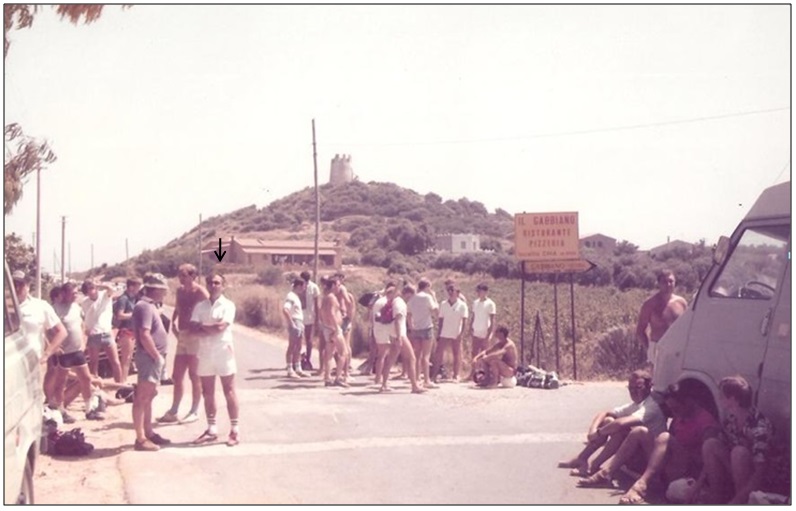
Once a Year, the whole Squadron flew to Sardinia an Italian Island in the Mediterranean Sea. As the Avionics Trade manager it was my responsibility to ensure the Weapon Aiming Systems were good. Again I was very successful helping the Squadron to break all records for the most weapons on target. In addition on this occasion the Directors of the company that made the Weapon Aiming Computer were watching. At the end of the exercise I was the Guest of Honour at the Officers Dinner. However, at the weekends my team and I traveled to the north of the island where we stayed at a camp site at a small village near the sea which was very clear.
After serving 2 years at RAF Gutersloh in June 1978 my greatest honour came from Her Majesty the Queen. I was awarded the British Empire Medal (B.E.M) known as the Medal of the Order Of The British Empire for Meritorious Service, the highest peace time award that could be awarded to me. This was for Meritorious Service to the RAF and Great Britain. However it was also a reflection of all of our squadrons personnel who I was very proud of and grateful for their cooperation throughout my time at 4 squadron.
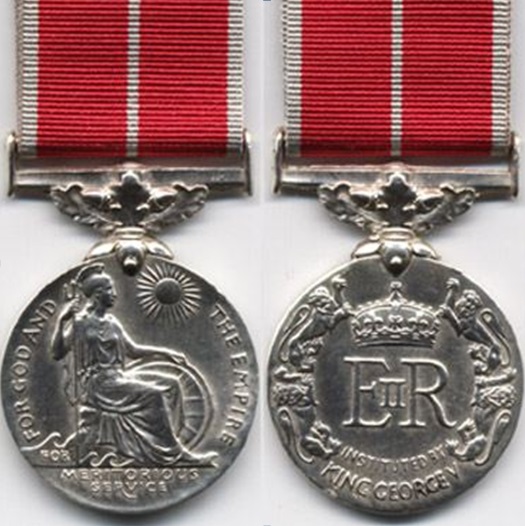
The Queens Ambassador to West Germany, Sir Oliver Wright presented the B.E.M to me at the British Embassy in Bonn the capital of West Germany. It was one of the proudest days of my life.
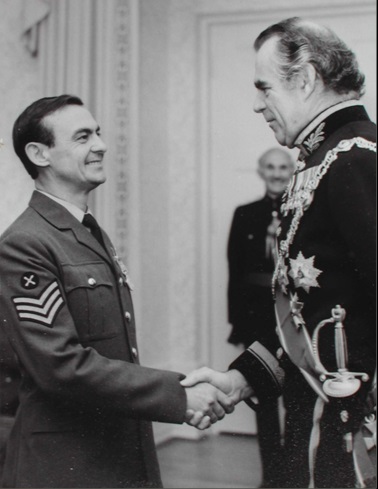
My tour on the Harrier Force was a very memorable and enjoyable one working with a great bunch of guys in all weathers and conditions, that’s including the officers as well as the men. Being on a Harrier squadron for the first time made you feel part of a family where you work and care for each other although like families we had disagreements. However, this experience would help me in the coming years.
RAF Cottesmore – Tri – National Tornado Training Establishment (TTTE)
A new aircraft was coming into the RAF known as the Tornado and it would be going to the Tri National Tornado Training Establishment (TTTE) at RAF Cottesmore in Lincolnshire. I was posted from Germany to RAF Cottesmore in Jul 1979 and assigned to be part of the TTTE Planning Team. It was extremely pleasing to be part of a new Aircraft introduction into the RAF especially the Tornado which was bristling with Avionics. After spending 4 months on the Planning Team I was advised that I would be on the first Tornado Automatic Navigation and Aiming Complex (ANAC) training course at the Tornado Maintenance School (TMS) also at RAF Cottesmore. After completion of the Tornado training course my assignment was to be initially in charge of the first Tornado Aircraft Servicing Flight (ASF) which would undertake Acceptances of the Tornado Aircraft from British Aerospace (BAe) the manufacturer in 1980.


After the ANAC course I was joined by another Chief Technician who was associated with the Airframe and Engines to prepare ASF for the arrival of the first Tornado aircraft. The two Tornado’s arrived in the afternoon of the 1st July 1980 at ASF (ZA320) and (ZA322) which I personally was involved with. The following day with the Tornado’s in the Hangar I had to check the systems in the Cockpits. Although we had done our training on a training rig in the TMS, when power was applied it was a quite shock and a bit nerve racking making sure I pressed the correct buttons etc. However, in only a short time my guys and I became very familiar with the aircraft which was a highly complex integrated flight and navigation system.

Images: Gacman67
The Tornado played a significant part in my life not only in the RAF but many years later in my civil life. Being in charge of the whole team of personnel, inspecting and accepting the Tornado, it helped me to develop my management skills as well as my technical skills. It also allowed me to invent many types of equipment to make the servicing of the Tornado much easier for which I received Certificates of Merit and some cash in the following year.

For 3 years working with the British Aerospace manufacturers and their representative, accepting and proposing changes to the initial Tornado’s and the procedures used during manufacture and servicing at ASF the Tornado was progressing well. During this time I was supported very much by my ASF Officers. In 1982, I was again honoured by the Royal Air Force, German Air Force and the Italian Air Force, Senior Officers for meritorious service to the TTTE.
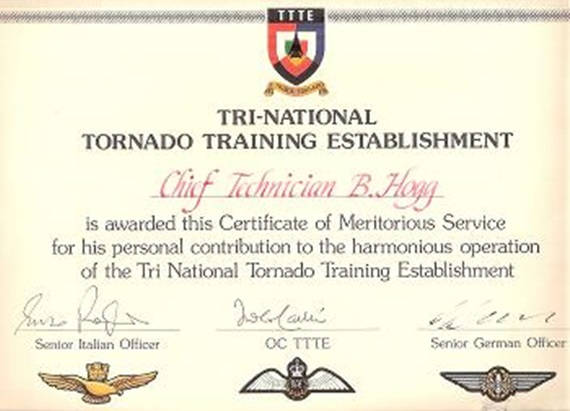
In April 1983 I was promoted to Flight Sergeant (Flt Sgt) which was again an honour as promotion to this rank is very rare. However, as I found out it was not only for meritorious service to the TTTE but I was to become the Officer In Charge of the Harrier Ground Servicing School (HGSS) at RAF Wittering in April 1983 where I had served many years earlier.

RAF Wittering – Harrier Ground Servicing School
Being the Officer In Charge of the Harrier Ground Servicing School (HGSS) was a very important position. I was informed upon taking up the position that I had been specifically selected due to in depth knowledge and skill that I had gained during my time in RAF Germany on the Harrier Force and because of my Training Qualifications (‘A’ Class Instructor) gained at RAF Cosford some years earlier. This was my office in HGSS and the Station Commander reviewing my Certificates of Merit for Inventions and Service to the RAF.
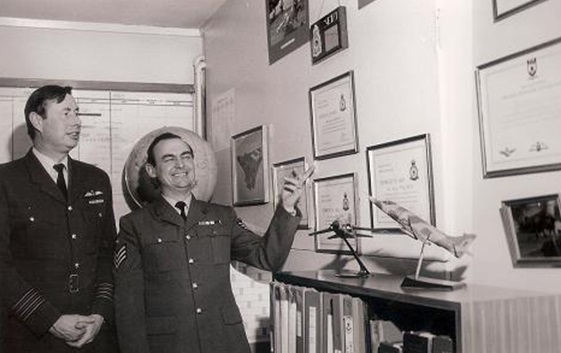
Having reviewed the Harrier training and considering the feedback from the RAF Germany Squadrons regarding the First Line Servicing I was authorised to change the Inertial Navigation Attack System training course to better reflect the needs of the Squadrons and the Second Line Servicing Bays. This was a significant change reducing the time for the First Line Servicing by 50% but included the knowledge use of the INAS First Line test equipment. This was possible as I installed an INAS training rig in HGSS after approval for the specialised power system from the Station Commander.
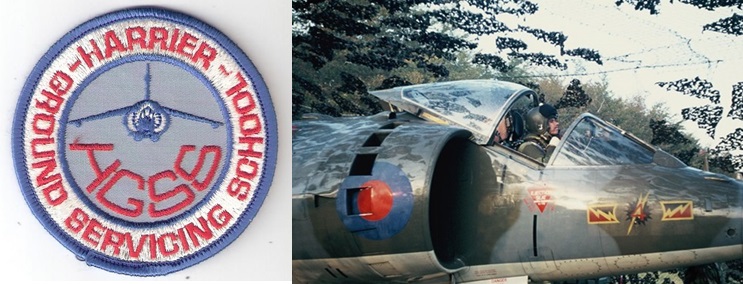
After only 3 months I was informed that the Squadrons were very pleased with the changes. For the meritorious service to the RAF whilst serving in Strike Command as a Chief Technician, I was awarded the highest certificate possible, The Commendation by the Air Officer Commanding In Chief, of Strike Command in June 1983.

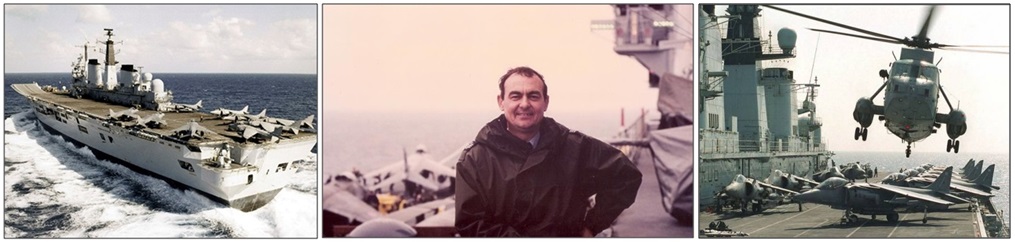
Whilst at the HGSS I was assigned to lead a team of Harrier technicians from a UK RAF Harrier Squadron to support 6 RAF Harriers on board Her Majesty’s Ship (HMS Invincible) one of the UK’s Aircraft Carriers. We boarded the ship in Newcastle on the river Tyne next to my home town Gateshead. It was very dangerous on the flight deck where all of the aircraft were especially when they were taking off and landing. When they were landing vertically we had to hold the chains securing the other aircraft to the deck. However, it was very exciting and I learnt a great deal about the Royal Navy (RN). I did not know that one day I would be on board HMS Invincible again many years later in Singapore. After completing our mission we were flown back to RAF Wittering by Sea King helicopters which belonged to the ship.
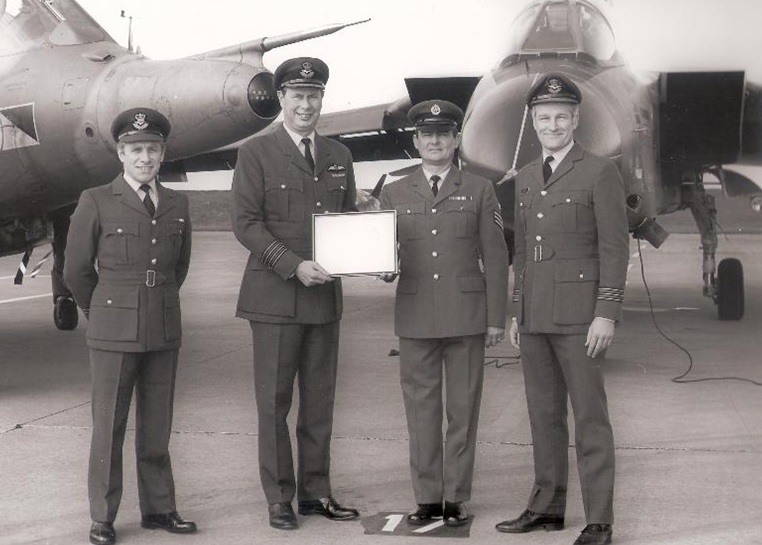
Whilst at RAF Wittering HGSS I was awarded another Certificate for one of my inventions for the Tornado Aircraft when at RAF Cottesmore TTTE. A Tornado and Harrier aircraft were positioned side by side when presenting me with the Certificate of Merit. The Newspapers were invited to write an article with photographs including this one about my inventions.
RAF Laarbruch – 20 Squadron Germany
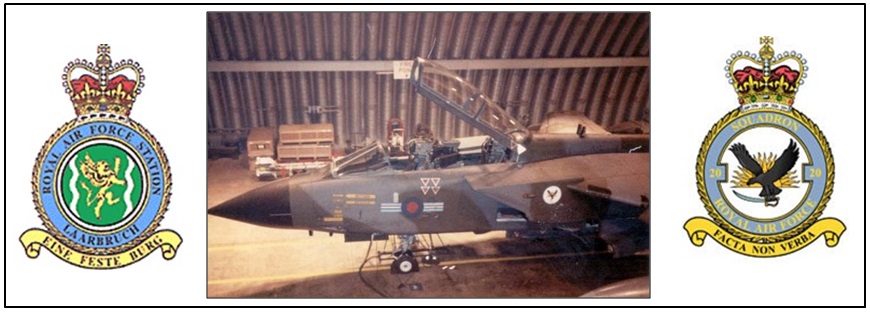
After 2 years at the HGSS I was then assigned to RAF Laarbruch in North Germany in May 1985 to be the Flight Sergeant in charge of one of two engineering shifts (150 men) on 20 Squadron again, but this time it had Tornado aircraft not Harriers.

RAF Laarbruch in northern Germany would be the last RAF station I would serve on in the RAF but it was a memorable and at times very hard work. As the Squadron had to be ready for action at any time we operated 24 hrs a day. The Aircraft engineers were divided into two teams (shifts). I was in charge of one shift and another Flight Sergeant in charge of the other.
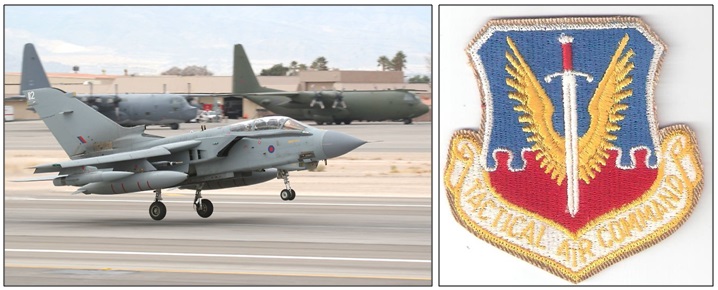
In 1985 the squadron was sent to the United States of America (USA) to the Nellis USA Tactical Air Command base just outside Las Vegas. I was in charge of my Team and responsible for the final go-ahead for our Tornado Aircraft to take off.
In 1986 the Squadron joined the whole of RAF Germany in a major military exercise. Little did I know that this would be my most difficult but most satisfying test of my management skills in my RAF career. Although I cannot go into detail I and my team were on duty for 48 hours and I was in charge of a significant amount of aircraft and men as part of the exercise. When the exercise finished I walked outside the shelter not having seen daylight for 48 hrs and decided that after 25 years in the RAF it was time for a new career as a civilian. Some days later I applied to leave the RAF. I thought that this was going to be easy having given 25 years of my life to the RAF, how wrong I was. My Squadron boss called me in and told me it was likely that I would be getting my promotion to Warrant Officer so why did I want to leave the RAF. Although being a Warrant Officer the highest promotion I could get, it would see me remain in the RAF till I was 55 years old.
When my application to leave the RAF came back the RAF refused to let me leave for eighteen months saying I was too valuable to the RAF. After applying to the RAF Germany Air Officer Commanding stating that I would still be helping the RAF but as a civilian Training Officer at British Aerospace, I was allowed to leave to start my new career as a civilian 7 weeks later after returning to England from Germany in Jun 1986. This was the end of my RAF career which I loved so much. Little did I know that I would be involved with the RAF creating aircraft training and simulation for the rest of my working life working for British Aerospace and then starting my own company Computerised Training Systems Ltd in August1988.


Thank you for taking the time to read my story. I hope you found it interesting
 <a href="https://astra283.wordpress.com/wp-admin/site-editor.php?calypsoify=1&block-editor=1&frame-nonce=af705db4bc&origin=https%3A%2F%2Fwordpress.com&environment-id=production&support_user&_support_token&postType=wp_template&postId=pub%2Flivro%2F%2Fhome#site-title-pseudo-link">Training designer</a> - avionic & Aircraft Engineer -- BRYAN HOGGb.e.m