
Introduction
The majority of my adult life I have been associated with all types of Aircraft both Military (Royal Air Force (RAF)) and Civil. This includes Servicing, Training Design and Development, Conventional and Software, Training and Training Management. This story starts in 1961 when I joined the RAF in England and ends in 2021 as the Managing Director of my company Computerised Training Systems Sdn Bhd, Malaysia and is presented in Chronological Order throughout.
I was Initially a Instrument and Electrical Mechanic, then a Flight Systems Technician (Instruments, Navigation Systems, Autopilots, Attack Systems Systems) and later an Overall Aircraft Engineer (Airframe, Engines, Avionics, Electrical Systems and Communication Systems)
Royal Air Force 1961 to 1986
These are the Royal Air Force (RAF) Units, in Chronological Order, that I have Serviced different types of RAF Aircraft.

RAF Little Rissington, Gloucestershire, England
Central Flying School (CFS) 1962 to1966

Gloster Meteor T7

The twin engine Meteor T7 (Training Aircraft) was the first aircraft I worked on in 1962 as a young Leading Aircraftsman (LAC). The Meteor was one of the worlds first Jet Engine Fighter Aircraft made in the UK which was the only allied Jet Fighter to see combat in 1944 in WWII. It had the Basic Flight and Jet Engine Instruments and Twin Seats.
De Havilland Chipmunk T10

The Chipmunk a small light Single Engine, Propeller Aircraft was used at CFS for Training Officers for Initial Flight Techniques preparing them to fly larger Single Engine Aircraft. It had the Basic Flight and Engine Instruments and Twin Seats.
Percival P56 Provost
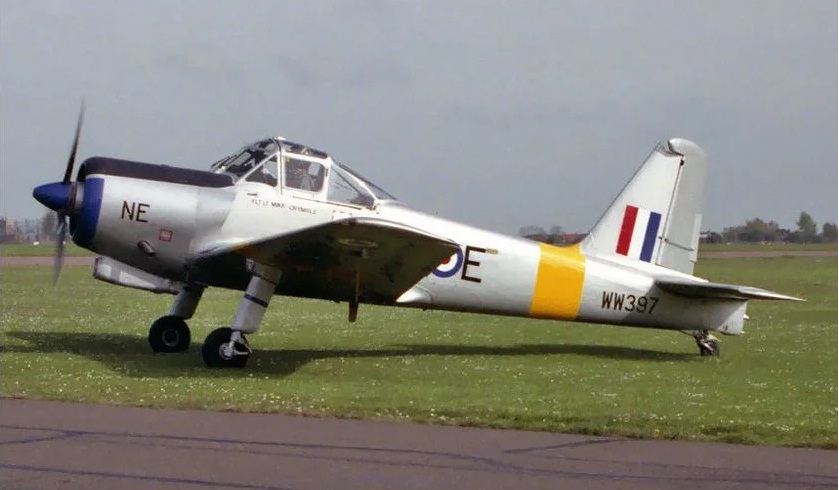
In the RAF this Aircraft was known as the Piston Provost. It was a powerful Single Engine, Propeller Aircraft. It had Side by Side Twin Seats and Dual Basic Flight and Engine Instrumentation and Flight Controls. At CFS it was a Pilots progression from the Chipmunk.
De Havilland Vampire T11
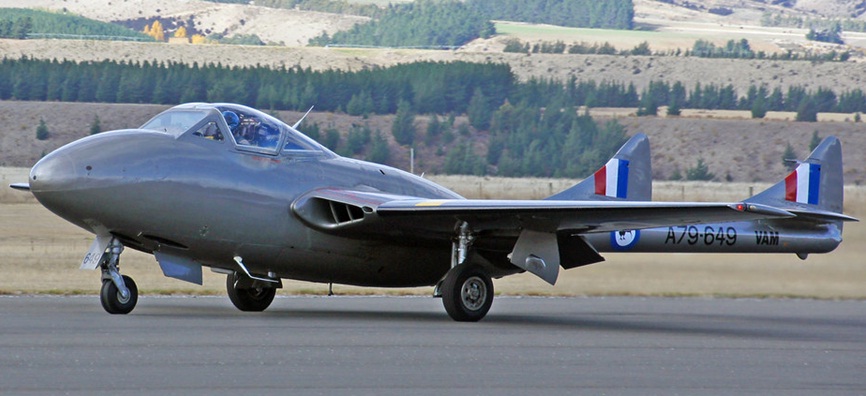
The first Vampire was put into RAF Service only months after the end of WWII. The Advanced Trainer version T11 which I worked on was a Single Jet Engine with Twin Seats and Dual Basic Flight and Engine Instrumentation and Flight Controls. It had Twin Booms an unconventional configuration.
BAC Jet Provost T3 & T4
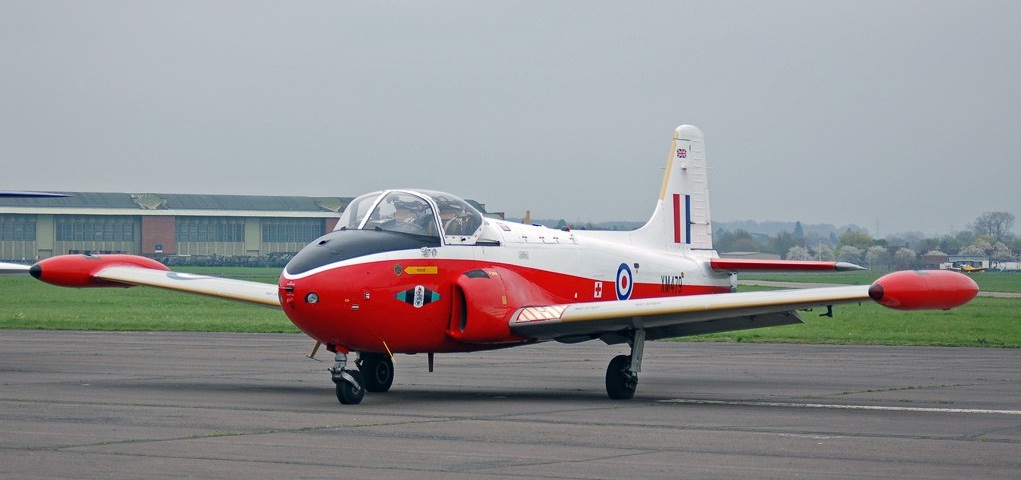
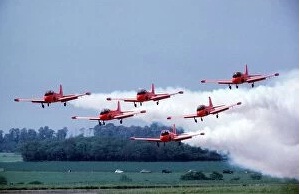
The Jet Provost was the workhorse at the CFS. It had a Single Jet Engine with Twin Seats and Dual Basic Flight and Engine Instrumentation and Flight Controls. It was the main Jet Engine Trainer and an Aircraft that I Serviced many times. Some of these were designated to the RAF Aerobatic Team the Red Pelicans, shown below, which I also Serviced.
Vickers Varsity T Mk 1

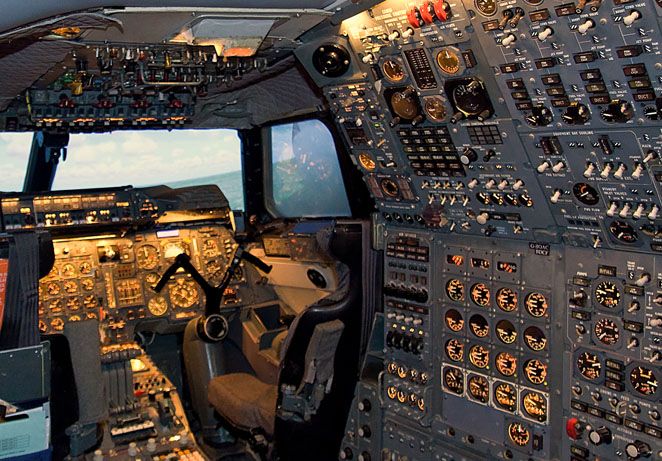
The Varsity was a large Twin Engine, Propeller Aircraft that provided excellent training for Pilots, Flight Engineers, Radio Operators and Navigators, simultaneously. This allowed the Air Crew to advance onto the larger RAF Bristol Britannia Aircraft. The image below is the Varsity Flight Deck for which I was responsible for Servicing.
English Electric Canberra T4

The Canberra T4 was an adaptation of the Canberra Medium Size Twin Jet Engine Bomber that had 3 Crew, Pilot, Navigator and Bomb Aimer. It had a Single Fighter style Cockpit. It was involved in many conflicts for which it was outstanding. The Canberra T4 was a Dual Cockpit arrangement for Pilot Training.
Folland Gnat T1

The Folland Gnat T1 was a Single Jet Engine aircraft with a Tandem Cockpit arrangement. It was state of the art and included new Avionic Systems and Instrumentation. I was assigned to the Gnat Project Team and was the real start to my Avionics and Overall Aircraft Engineering Career. The Gnat T1 was the Advanced Jet Fighter Trainer which took over from the Vampire. I invented new Test Equipment for the Gnat T1 which I worked on extensively.
Folland Gnat T1 Red Arrows
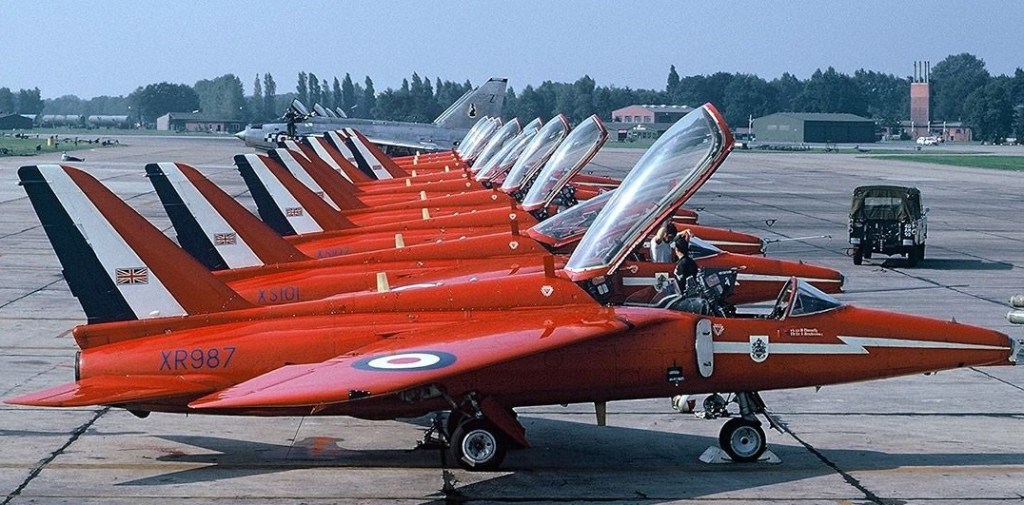
The Gnat T1 Red Arrows Aerobatic Team was formed in 1965 as apart of the Central Flying School (CFS). I serviced many of these Aircraft and was part of the Red Arrows Team for a short while before leaving CFS in December 1966 to go to RAF Seletar in Singapore. However, due to my new Equipment Servicing role, I would leave Servicing Aircraft until returning to the UK in 1969.
RAF Cosford – Aircraft System Training -1969 to 1975
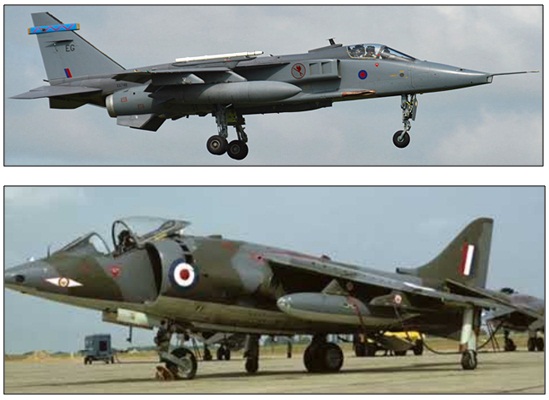
After returning from Singapore I was assigned to RAF Cosford No2 School of Technical Training. As an RAF Instructor I undertook Training for Autopilots, Navigation Systems, Instrumentation Systems and Weapon Aiming Systems. However, I was given the special task of producing all of the Training Notes and Presentations and to Train the new Aircraft Avionic Systems for the Sepcat Jaguar and the Hawker Siddley Harrier Aircraft. This was a fantastic opportunity to relate to specific Aircraft Types and would have a major impact on my RAF Aircraft Servicing career. Image: Sepcat Jaguar (top) and Harrier GR2 (bottom).
RAF Wittering Avionic Bay and 233 OCU 1975 to 1976

Hawker Siddley Harrier GR3
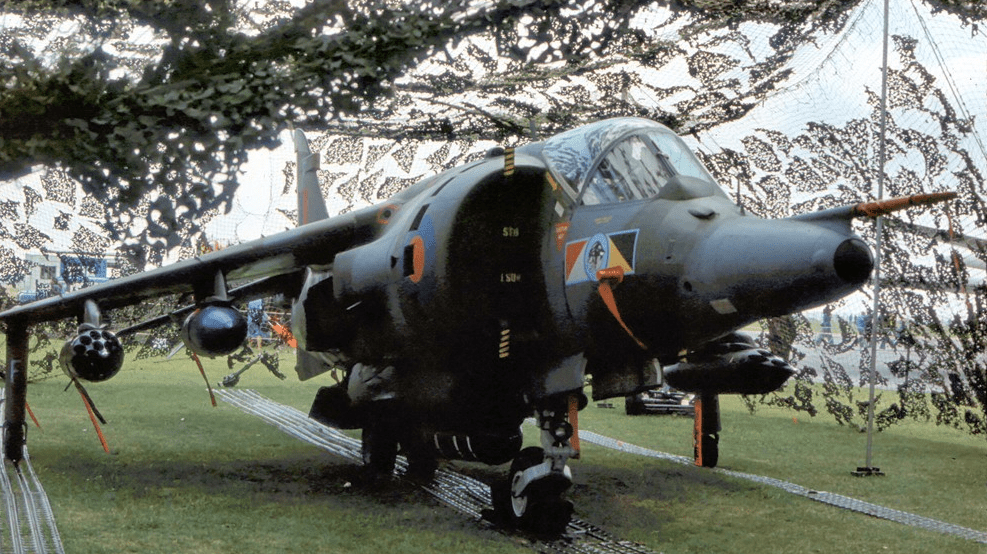
On arrival at RAF Wittering I was assigned to the Avionics Servicing Bay. My major task was to Service and Repair the very complex Inertial Navigation and Attack System (INAS) Present Position and Weapon Aiming Computers and Moving Map Display (shown below). This proved to be extremely useful in the years to come. I also at this time, was involved with the Diagnostics of the INAS fitted to the 233 Operational Conversion Units (OCU) Harrier GR3 Aircraft which again proved to be invaluable.

After learning as much as I could about the Harrier and its INAS, I volunteered to go to a Harrier Force Squadron in RAF Germany.
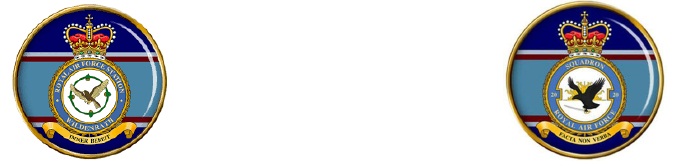
RAF Wildenrath West Germany
20 Squadron Harrier 1976 to 1977
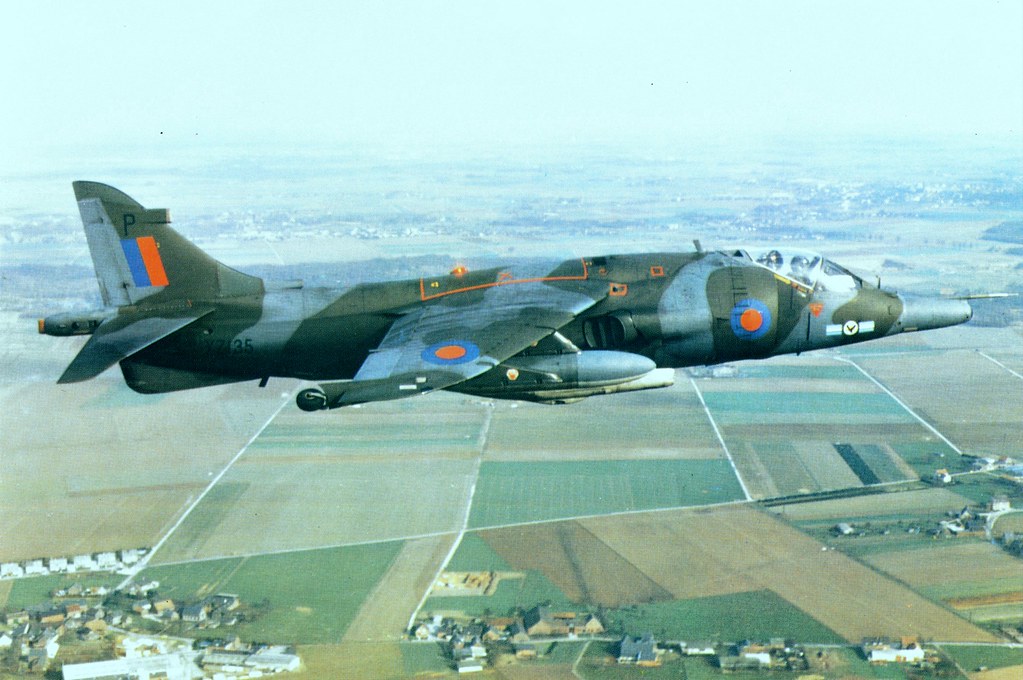
Hawker Siddley Harrier GR3
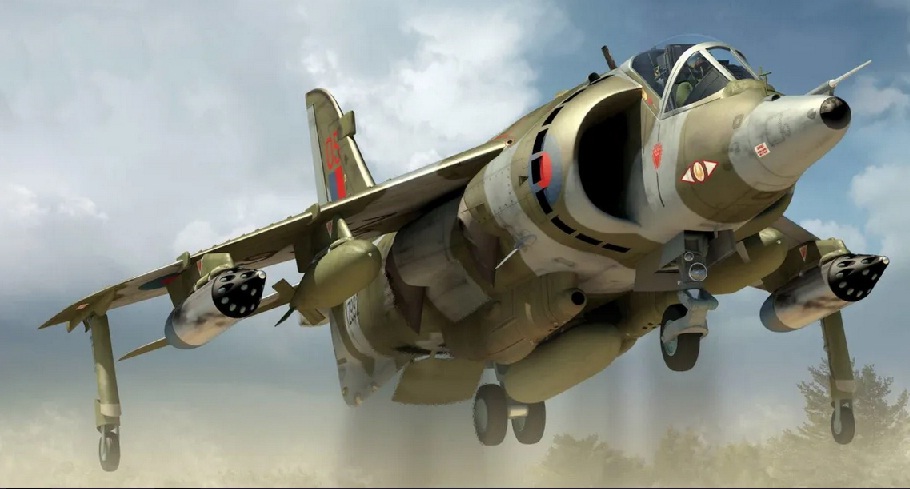
The Harrier GR3 was unique in that it was a Vertical Short Take Off and Landing(V/STOL). Its Single Engine Thrust could be directed by Nozzles on the side of the Aircraft for Upwards, Forward and Reverse movement of the Aircraft. Its INAS enabled the Harrier to use an Array of Weapons and was extremely effective. Its main role was to support Ground Attack Forces, which during the Cold War, NATO required. I was responsible for a team Servicing and Repairing the 20 Sqd Harriers one of which is shown in the image above.
RAF Gutersloh West Germany
4 Squadron Harrier 1977 to 1979
Hawker Siddley Harrier GR3
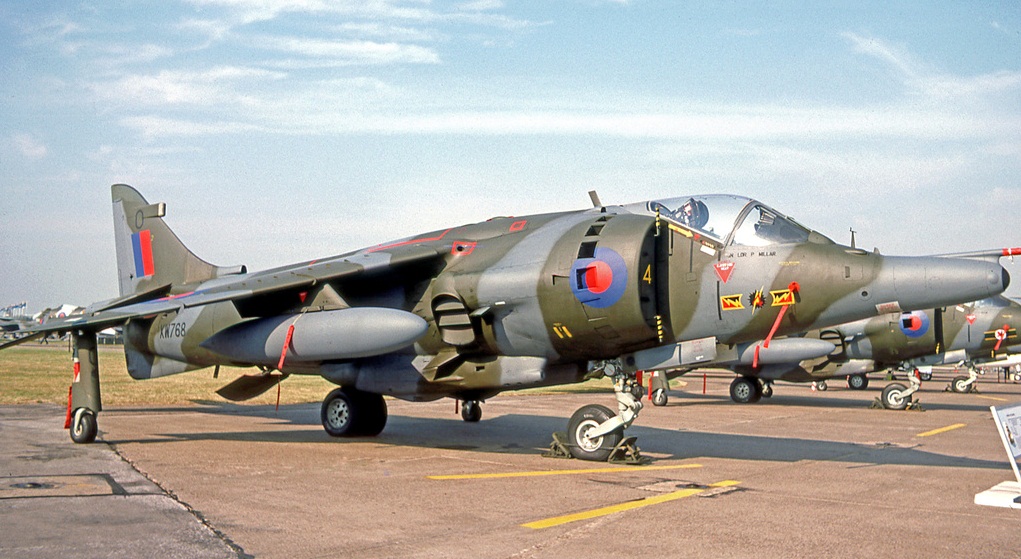
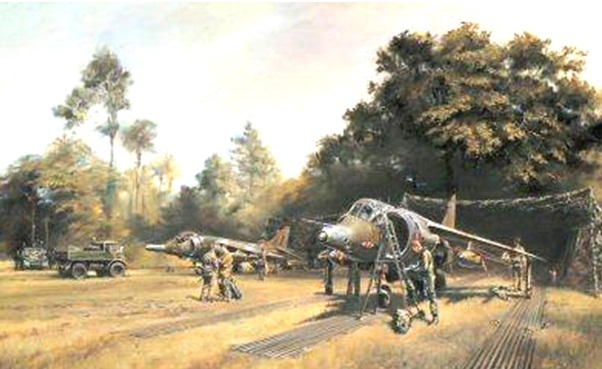
20 Squadron was disbanded in 1977 and the whole Squadron was integrated into 3 Sqd and 4 Sqd Harriers which would operate from RAF Gutersloh that was near to the East German border (Iron Curtain). I was allocated to 4 Sqd and was promoted to Chief Technician responsible for all of the INAS, Electrical Systems and Avionics / Laser Systems and Communications Servicing and Repair team. 4 Sqd as part of the Harrier Force used to ‘Deploy’ the whole Sqd (Aircraft, Equipment and Personnel) into specilised Sites, which may have been Grass Fields, Old disused Roads and Operational Roads for 2 to 3 weeks at a Time. I was responsible for planning these Deployments. Image: Harriers deployed into the field.
RAF Cottesmore 1979 to 1983
Tri-National Tornado Training Establishment (TTTE)

Panavia Tornado GR1 – Royal Air Force -TTTE
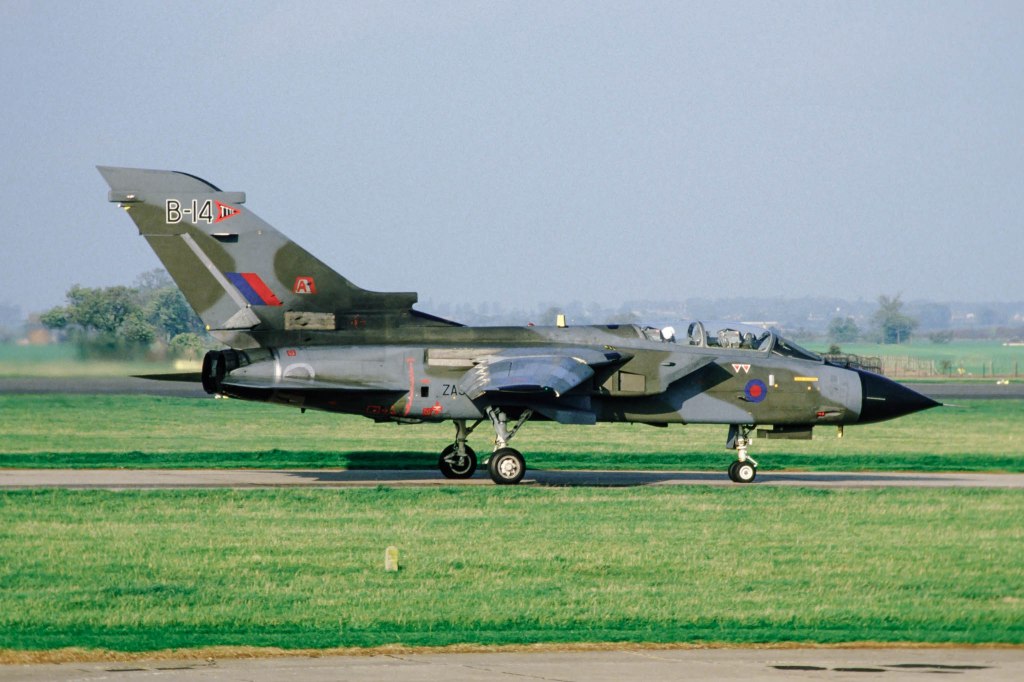
On the 1st July 1980 the first two Tornado Aircraft were delivered to TTTE. As Officer in Charge of the Aircraft Servicing Flight (ASF) I and my team were responsible for Accepting the Aircraft from British Aerospace. Like the Harrier the Tornado would play a significant part in my RAF career. The Tornado GR1 was the state of the art Bomber that had Swing Wings, Complex Avionics, Fly By Wire Flight Controls, Radar Systems, Communication Systems. It had Dual Tandem Cockpit, for the Pilot Front and Navigator/Weapons Controller Rear. My task was to undertake Acceptance Checks on all new RAF Tornado GR1’s arriving at TTTE from British Aerospace. For me this was an exceptional time allowing me to invent new Tornado Servicing Equipment and Procedures. I was also responsible for Servicing and Repair of the RAF, German and Italian TTTE Tornado GR1’s.
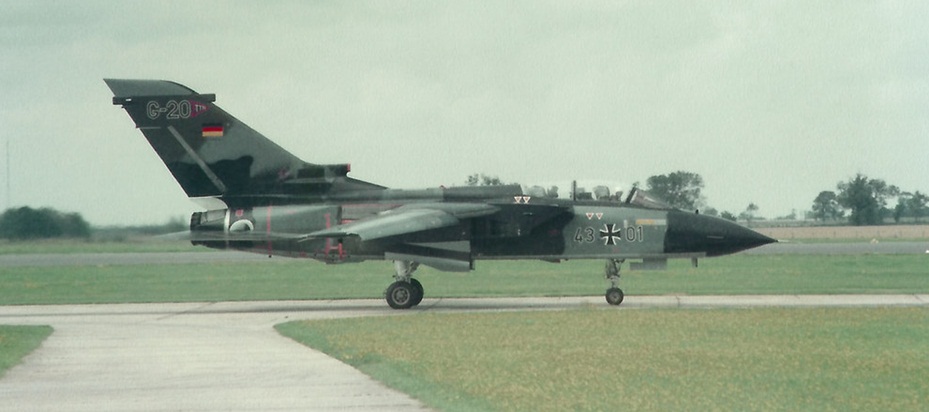
Panavia Tornado GR1 – German Air Force -TTTE
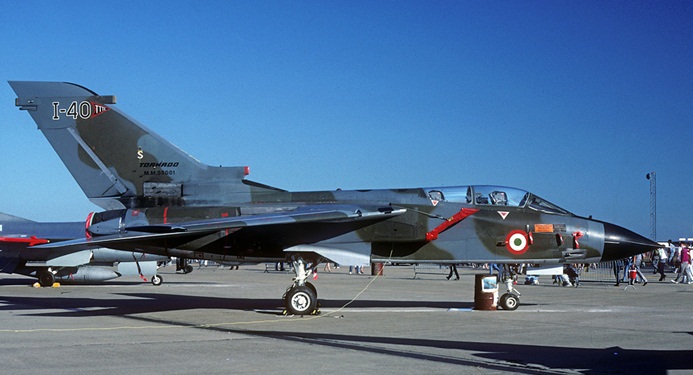
Panavia Tornado GR1 – Italian Air Force -TTTE
RAF Wittering 1983 to 1985
Harrier Ground Servicing School (HGSS)
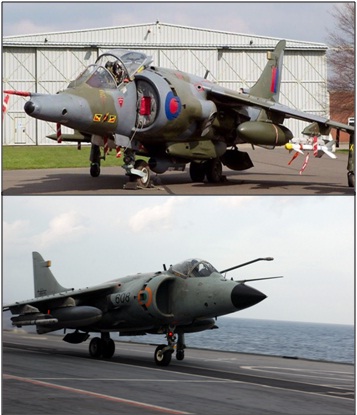
On the 5th April 1983 I was promoted to Flight Sergeant and was informed I would become the Officer In Charge of the Harrier Ground Servicing School (HGSS) at RAF Wittering. HGSS was responsible for training all Harrier Ground Crew for the RAF Harriers (top) and some of the Royal Navy Crew for the Sea Harriers (bottom).
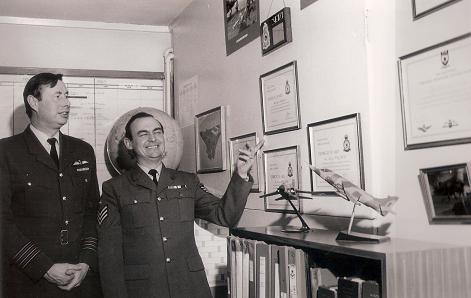
This was my HGSS Office with the RAF Wittering Commanding Officer, Group Captain Dodsworth who supported me extensively to expand and upgrade the HGSS with a Harrier INAS Emulator for teaching the Students.
Harrier GR3 – 1 Fighter Squadron on HMS Invincible
As part of my duties I was selected to take four, 1 Fighter Squadron Harrier GR3’s and Crews on board the Aircraft Carrier HMS Invincible to design a new way of Aligning the Inertial Navigation System whilst at Sea. We were on board for 3 weeks, operating with the Royal Navy Sea Harriers.
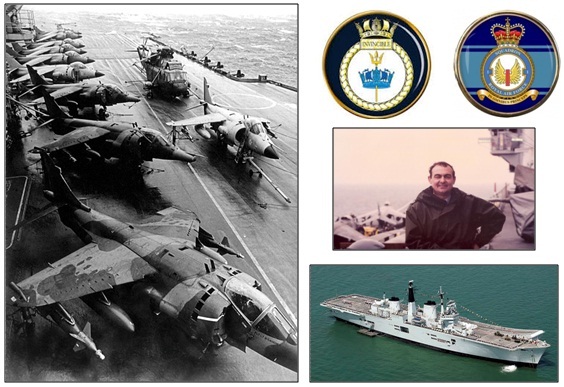
RAF Laarbruch West Germany 1985 to 1986
20 Squadron Tornado
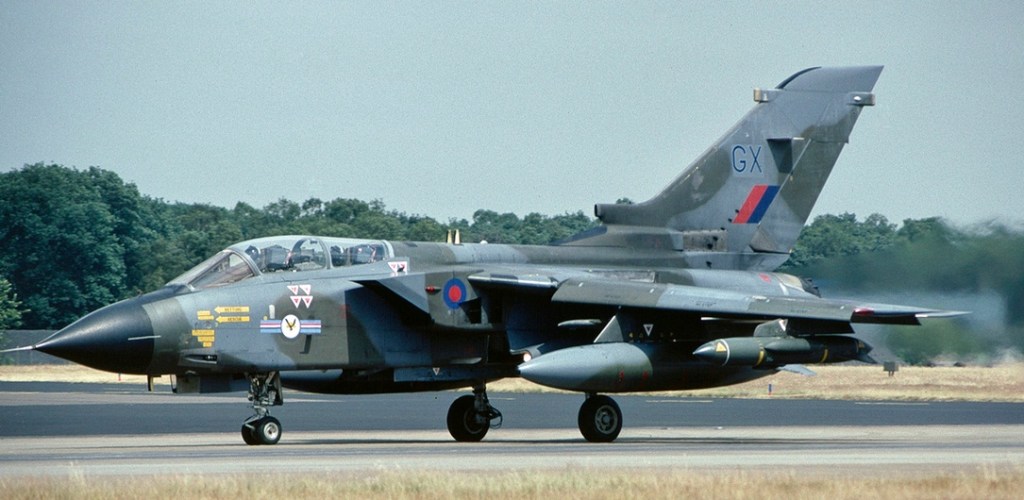
In 1985 I left HGSS and was assigned to 20 Squadron Tornado as the Flight Sergeant in Charge of 150 ground Crew Servicing 18 tornado Aircraft. This was a front line Squadron operating 24/7. My extensive Tornado experience was requested by Strike Command to enhance the RAF Servicing Techniques. However, this would be the last RAF Unit I would serve on as I decided to leave the RAF in 1986 having served 25 years, to become a Training Officer at British Aerospace in Warton Lancashire. Little did I know that I would be associated with the RAF and other Civilian Aircraft for rest of my Working Career until 2021.
Civilian Life and Aircraft 1986 to 2021
British Aerospace 1986 to 1988
I arrived at British Aerospace Warton near Preston Lancashire. I had purchased a House in Preston and traveled everyday. I was employed as a Leading Training Officer as I was the only person to have worked on the Tornado extensively and was asked to advise the Trainers in the Training Department. My main role was to Train Saudi Arabian students the Tornado Flight Guidance Control Systems (FGCS). I was also asked to teach Basic Electronics using a specialised Basic Computer System. I used this Computer to Design and Develop the worlds first Computer Based Training (CBT). Eventually I created a CBT sub Department to Design and Develop my FGCS and other Tornado Aircraft Systems.
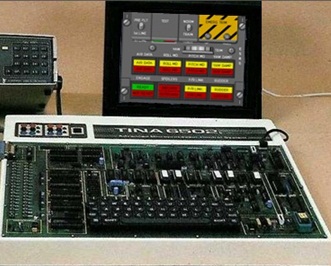
However due to circumstances when BA promoted me to Senior Training Officer, there were major objections from some of my colleagues due to the short time I was at BA, resulting in me Resigning from BA and starting my own Company.
Computerised Training Systems (CTS) 1988 to 2021
Computerised Training Systems Ltd – England
RAF Cottesmore Tornado Maintenance School
On the 8 /8/1988 I opened my company Computerised Training Systems Ltd in Scunthorpe, Lincolnshire, England. After leaving BA I decided to Design and Develop Systems including different Media. We called this Multimedia Systems probably the first time this phrase was used. At this time we were the only company in the UK if not the world producing Technical Multimedia Systems. For that reason the Ministry of Defence and Royal Air Force asked us to Design and Develop Training Course Software which we called ‘Courseware’ for the Tornado Maintenance School and Basic Training for the No 2 School of Technical Training..

RAF Lossimouth – Hawker Siddley Nimrod
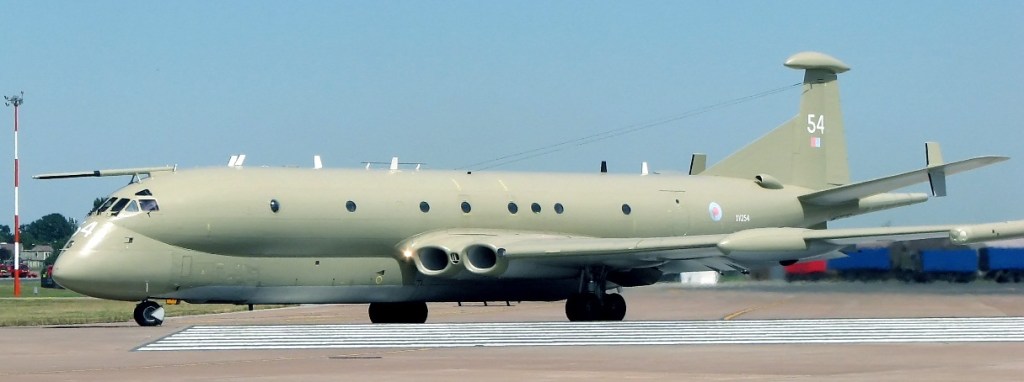
The RAF Nimrod Aircraft was a conversion of a Comet Aircraft as a Maritime Patrol Aircraft. These were based at RAF Lossimouth in Scotland. I Designed a Simulator for the Observation System fitted for Surveillance. This entailed being on the Aircraft and in the Servicing Bay observing the exact operation of the System.
RAF Waddington – Boeing E3 Sentry

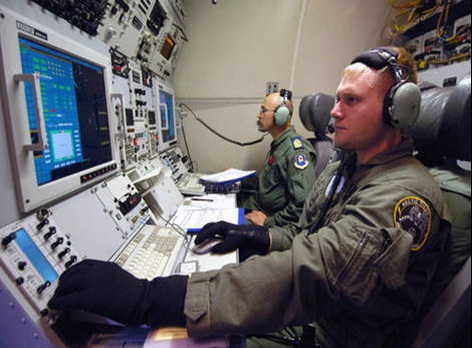
The E3 Sentry known as an AWAC was the RAF’s Early Warning Radar System. I was involved with this Aircraft for almost 14 months creating a Simulation of the Crews Communication systems. This involved being on the Aircraft and in the Servicing Bays. I had my own office at RAF Waddington and worked with the RAF personnel to create very complex Simulations of the Systems shown below.
Computerised Training Systems (S) Pte Ltd – Singapore

Singapore Airlines Engineering Company

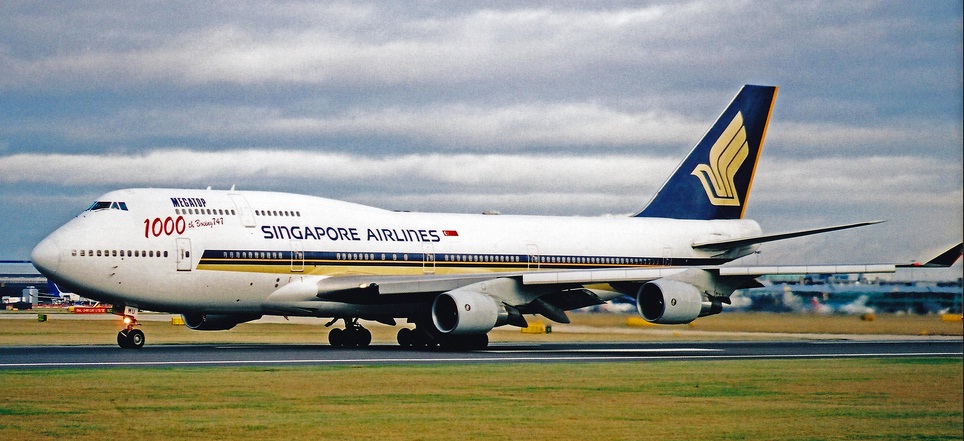
My Singapore company gained a Contract for Creating the Civil Aviation Authorities Basic Training Licensing CBT Modules. This lasted for almost 2 years and involved me being at SIAE very often. Many of the subjects involved Basic Aircraft Systems for which I used the Boeing B747-400. I actually flew on the 1000th B747-400 in First Class from Kuala Lumpur to Singapore.
Civil Aviation Authority of Singapore (CAAS)


The Civil Aviation of Singapore (CAAS) requested CTS Design and Develop CBT for the new Controller Pilot Data Link Communications (CPDLC) System fitted to the B747-400. However, it included a Boeing B747-400 Desktop Cockpit Simulator (shown below) to allow the Air Traffic Controller to speak to the Pilot and for them to understand what the Pilots were doing. We shook hands on the Contract in an actual SIA Boeing B747-400 aircraft Cockpit.
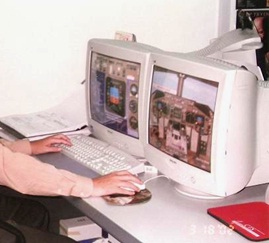
Computerised Training Systems Sdn Bhd – Malaysia
Dilog Training and Services Sdn Bhd
2013 to 2021

EASA Part 66 Aircraft Licence Software Modules
As the Owner, Managing Director and Consultant of CTSMY we had a Contract with DTS. At DTS, I was responsible for Re-Designing and Developing Training Notes, Presentations and Instructor Guides for EASA Part 66 Training for Malaysian Airlines and others. This involved substantial Upgrading bringing the Training in line with Modern day Aircraft Avionic, Autoflight and Electrical Systems. The Modules were for Category A, B1.1 and B2 Tradesmen for Fixed Wing and Rotary Wing Aircraft Fundamentals. To enable me to do this I used different Aircraft for Integrated Modular Avionics (IMA), Flight Control and Autopilot and Electrical Power Generation and Distribution Systems. The Aircraft that I used were as follows:
Boeing B747-400
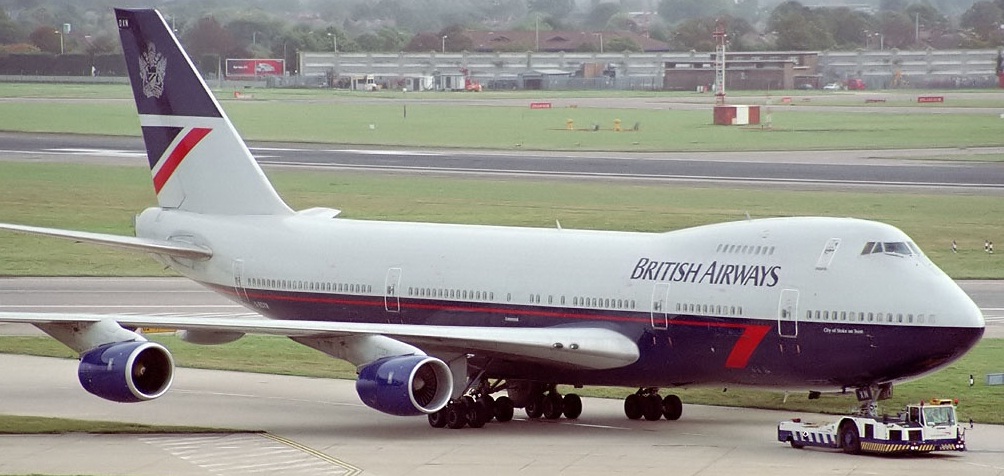
This was the starting point for the Upgrade using the Flight Computing System Flight Control System and Glass Cockpit Display Systems of the B747-400 a Large Passenger Aircraft. This Aircraft used Mechanical Flight Controls with Hydraulic Actuators and Integrated Drive Generators (IDG) system for Electrical Power Generation.
Boeing 737-800
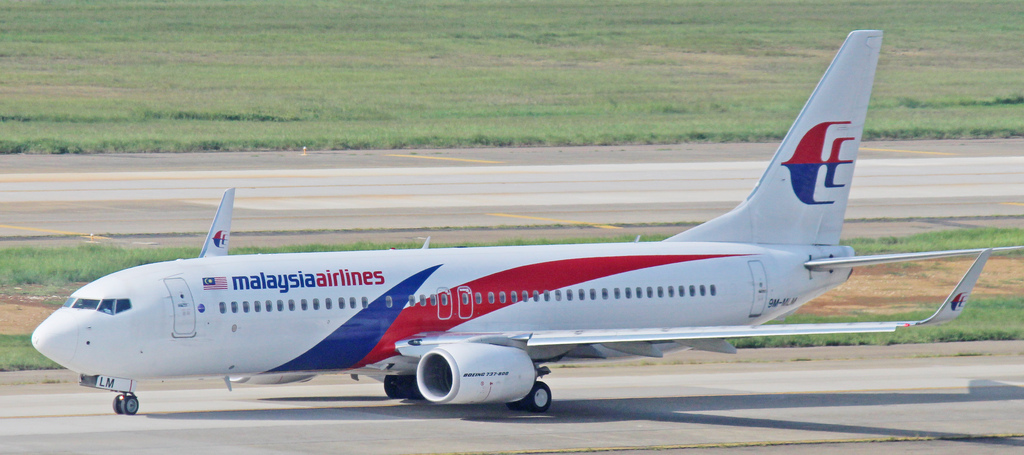
This was the starting point for the Upgrade using the Flight Computing System, Flight Control System and Glass Cockpit Display Systems of the B737-800 a Small Passenger Aircraft. This Aircraft used Integrated Drive Generators (IDG) system for Electrical Power Generation.
Airbus A320
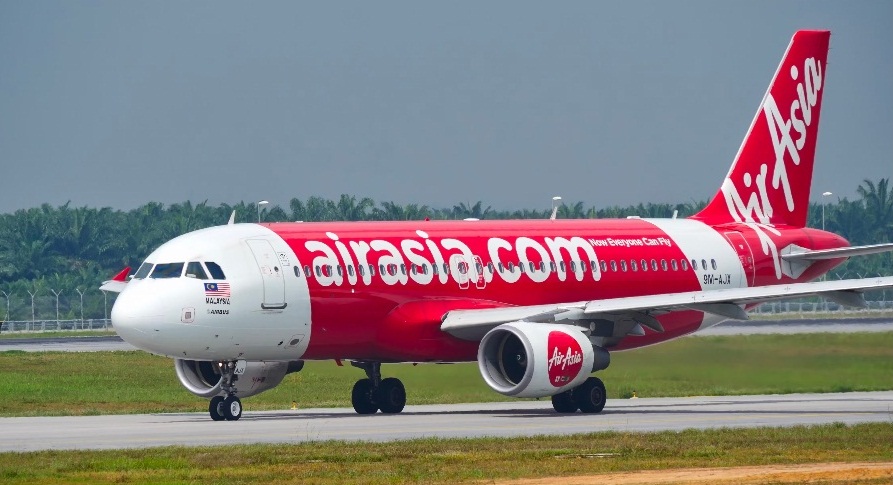
I used the A320 mainly to upgrade the Flight Control Systems from a Mechanical Systems (B747-400 and B737-800) to the new Fly-By-Wire System which the A320 introduced and the basic start of the Integrated Modular Avionics (IMA) Systems. This Aircraft used Integrated Drive Generators (IDG) system for Electrical Power Generation.
Boeing B777 -300

I used the B777 as it was the first Boeing Aircraft to use Fly-B-Wire Flight Control and Autopilot System, which was different to the A320. The B777 was the first Aircraft to use a fully Integrated Modular Avionics (IMA) System using the Network Technology of the time. It still used Integrated Drive Generators (IDG) system for Electrical Power Generation.
Airbus A 380

The A380 is the largest passenger Aircraft ever built. I used this Aircraft for the exceptional Fly-By-Wire Flight Controls and Autopilot. It has the most modern ‘Open’ Integrated Modular Avionics (IMA) System using AFDX Networking which interfaces many of the Aircraft’s Different Systems, including the Electrical Power Distribution. It has the latest Variable Frequency Generators (VFG’s) which do not require a mechanical gearbox like the IDG.
Boeing B787-900

The B787-900 is also known as the ‘Dreamliner’. I used this Aircraft for the exceptional Fly-By-Wire Flight Controls and Autopilot. It has the latest ‘Common Core’ Integrated Modular Avionics (IMA) System using a Networks System based upon the principles of the AFDX System. It has the latest Variable Frequency Generators (VFG’s) more than the A380 which do not require a mechanical gearbox like the IDG. It has Electronic Large Cabin Windows. The Cabin Air Conditioning uses Compressors like the Home Air Conditioning System not Engine Bleed Air like all other Aircraft I have identified.
ATR 72-500/600
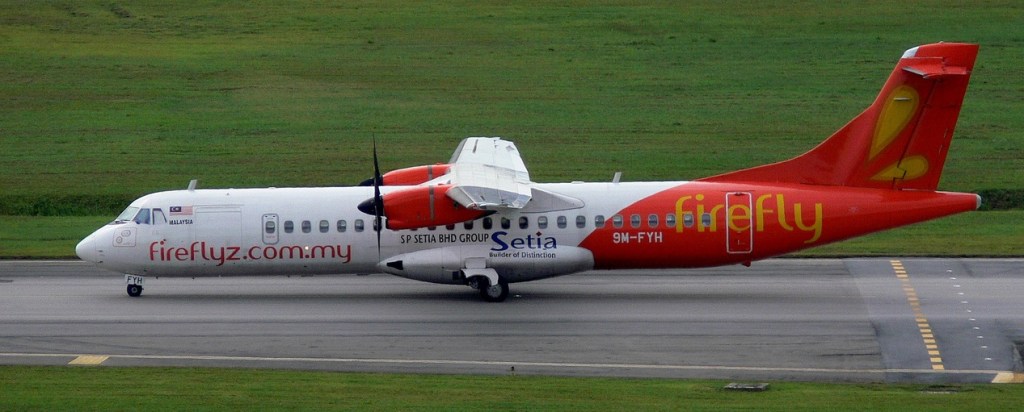
I used the ATR-500 and ATR-600 for the use of the Turbo Prop System and the aspects of a Medium Size local destination Aircraft. The ATR -500 Cockpit is a mainly a combination of Individual Instruments. However the ATR-600 has an Integrated Modular Avionics (IMA) with a ‘Glass Cockpit’.
Agusta Westland AW 139
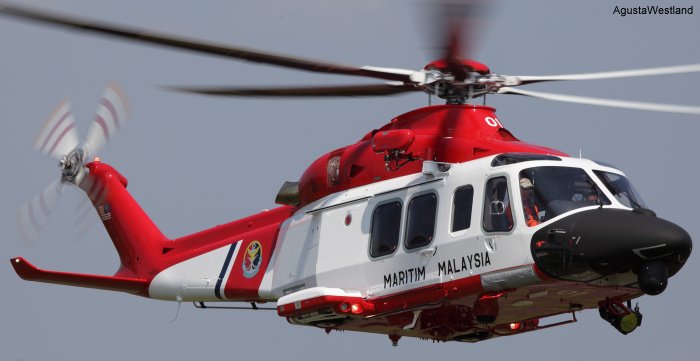
The AW 139 is a modern Twin Turbo Engine Helicopter which I used to Design and Develop the EASA Module 12 Rotary Wing Aircraft. This included ALL the Aircraft Systems, Airframe, Engines, Rotary Gearbox System, Flight Controls and Cockpit Displays and Communications plus the Avionics and Electrical Power System, which is also the latest technology.
EASA Upgrade Completion and Retirement

After 7 years plus at DTS, I completed all the Avionic and Electrical EASA Modules Upgrades including Modules 3,4,5,6,11, 13 and 14 for Grades A, B1.1 and B2. In addition I designed and Created all of M12 for A,B1.1 and B2. I also undertook Training Students for A, B1.1and B2 for Fixed and Rotary Wing Aircraft. However, Due to the Pandemic COVID 19, I was forced to Cease Work and Close my Company Computerised Training Systems Sdn Bhd in September 2021.
My 60 Years Associated with Aircraft
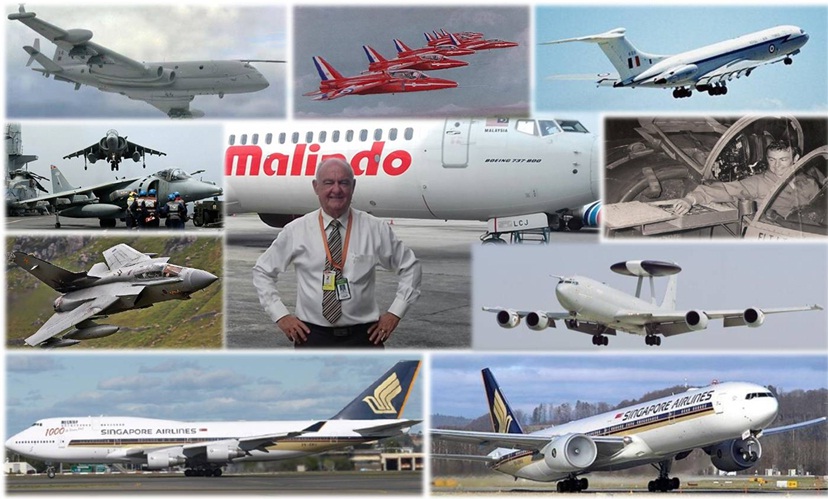
Aircraft have been my Life in one form or the other and I have always had an affection for the Technology and in some case the shear beauty of an Aircraft including the different Engine sounds. I miss being around Aircraft but they fly over my home quite often, which I observe and still wonder at. At the age of 84 plus Aircraft still excite me as they did in 1961.
 <a href="https://astra283.wordpress.com/wp-admin/site-editor.php?calypsoify=1&block-editor=1&frame-nonce=af705db4bc&origin=https%3A%2F%2Fwordpress.com&environment-id=production&support_user&_support_token&postType=wp_template&postId=pub%2Flivro%2F%2Fhome#site-title-pseudo-link">Training designer</a> - avionic & Aircraft Engineer -- BRYAN HOGGb.e.m