
Introduction
The following is the story of the Evolution of Jet Airliners from 1952 to the present day There are so many types of Aircraft so I have selected what I think are the most consequential ones to tell the story. Today we think nothing about flying on an Jet Airliner as though we are getting in a bus or train, going from one destination to another. What you may not know the first prototype Jet Airliner, the UK, de Havilland Comet Mk 1 was in 1949 (75 years ago) with its world’s first Jet Airliner Commercial Flight in 1952. The Mk1 Comet was a Narrow Body (NB) Aircraft which was Pressurised, the first time anyone had done this. It was found after an accident and fatalities that the fuselage design including the materials used were not adequate even after all of the testing. Even Boeing admitted later that they learnt from the Comet experience. Later versions were upgraded to prevent the Pressurisation and Metal Fatigue affecting the Comet.

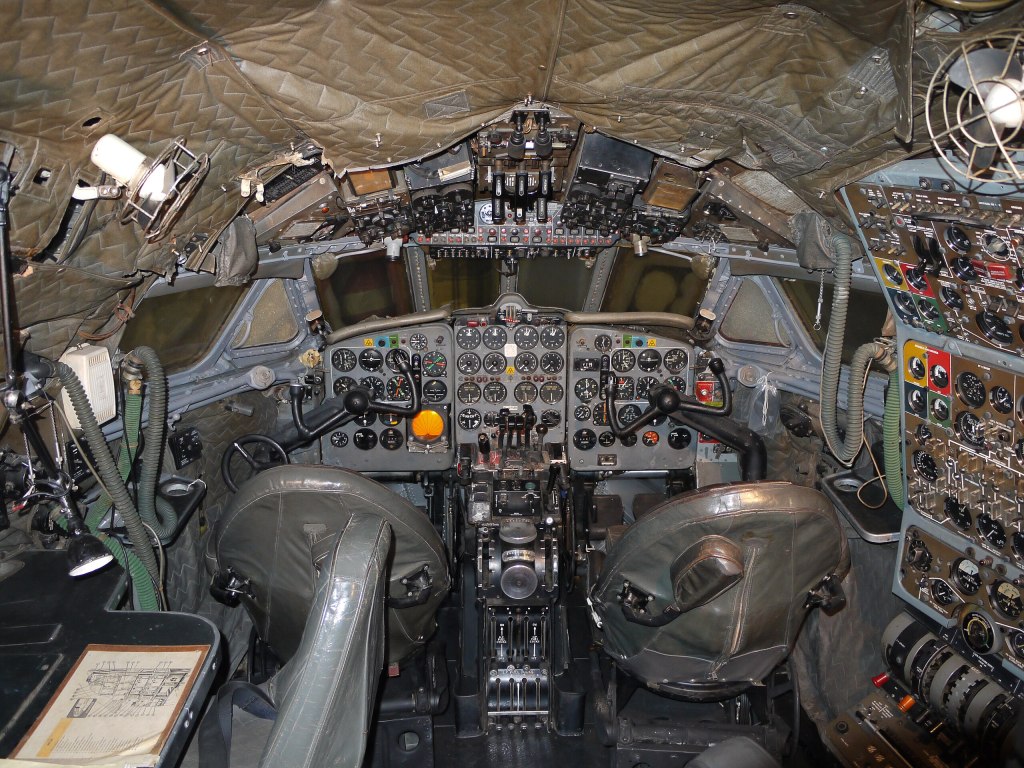
de Havilland Comet Mk 4
The Comet Mk4 was introduced in 1958 and flew commercially until 1981. The de Havilland Comet Mk 4 had been redesigned with round windows, which created and industry standard. It had four Rolls Royce Avon Axial Flow Jet Engines. The Comet Mk2, entered commercial service in 1958 with British Overseas Airways Corporation (BOAC), but was continually upgraded to Mk3 and Mk4 versions until it ceased commercial operations in 1981. The latest version could seat up to 80 people. The Comet Mk4 had Mechanical linkage Power Flying Controls and a simple type of Autopilot. The Cockpit Instruments were almost all mechanical (Analogue). In the later versions it was fitted with a nose Radar and upgraded Radio systems.
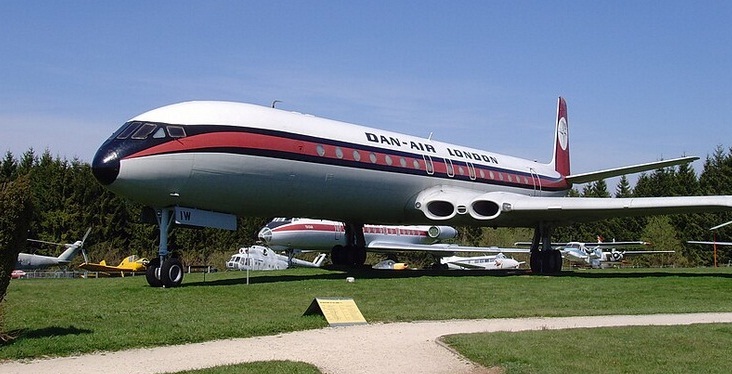

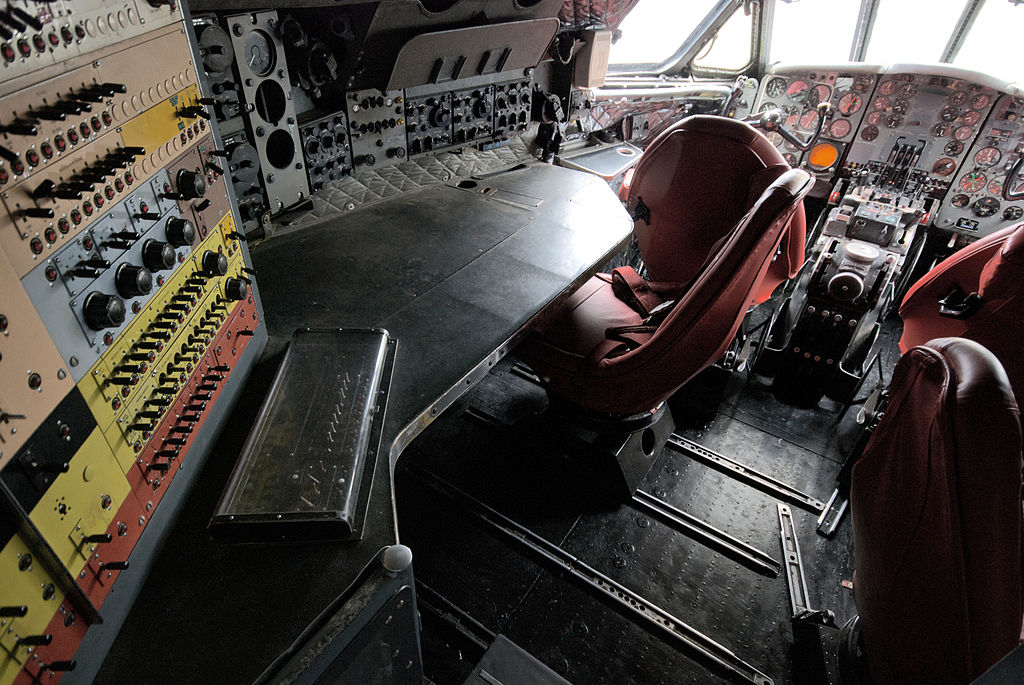
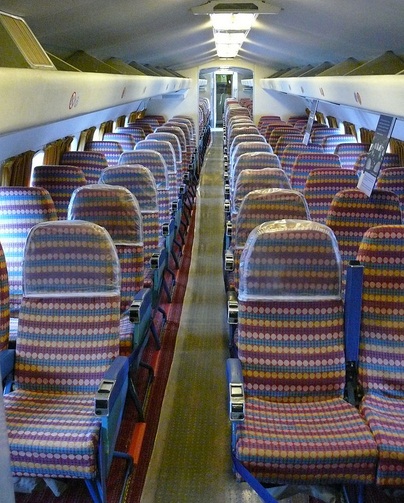
After the cessation of the Comets Commercial Flights ,The Royal Air Force (RAF) acquired a total of three Comet Mk 4C Aircraft and converted them into the RAF Nimrod Maritime Aircraft which operated until 2011. I went on this Aircraft and designed and produced a Simulator for this Aircraft’s Surveillance System for the RAF.

Boeing B707
The USA Boeing Company produced the Boeing B707 was a narrow body four engine Aircraft which was slightly bigger that the Comet Mk4 and could carry more than 100 people. This was the second Jet Airliner which commenced Commercial Flights in 1958 with PAN AM. The B707 had Navigator position in the Cockpit for long haul flights but due to the introduction of the new technology in the 1960’s, such as the Inertial Navigation System (INS) and other Radio Navigation Aids, the Cockpit only had Pilot, Co-Pilot and Flight Engineer Stations. The Cockpit Instruments were almost all mechanical (Analogue). However, the B707 had a more complex PB-20 Autopilot operating the Power Flying Controls and maintaining the Aircraft’s Heading and Stabilising the Pitch, Roll and Yaw of the Aircraft.


The Boeing B707 versions had four Engines, the Pratt & Whitney JT3D or the Rolls Royce Conway Turbofan Jet Engines. These were the forerunner to the modern day Turbofan Engines as they use a Large Fan at the front of the Jet Engine. This was different to the Axial Jet Engine that does not have a large Front Fan which generates even more Thrust (Jet Engine Output). The cabin was fairly basic like the Comet Mk4C but had 3 abreast seats either side of the Aisle. Note no Electronic Entertainment Systems, Magazines only!!!

The Boeing B707 was adopted for the USAF E3 Sentry Aircraft (AWACS) which has a very large Radar Dome fitted above the Fuselage. Inside there are very sophisticated Electronics. The RAF also had some Upgraded versions of the E3 Sentry (AWACS) which I went on many times to help me design and produced the Electronic Systems, Simulator for the RAF.

Vickers VC10
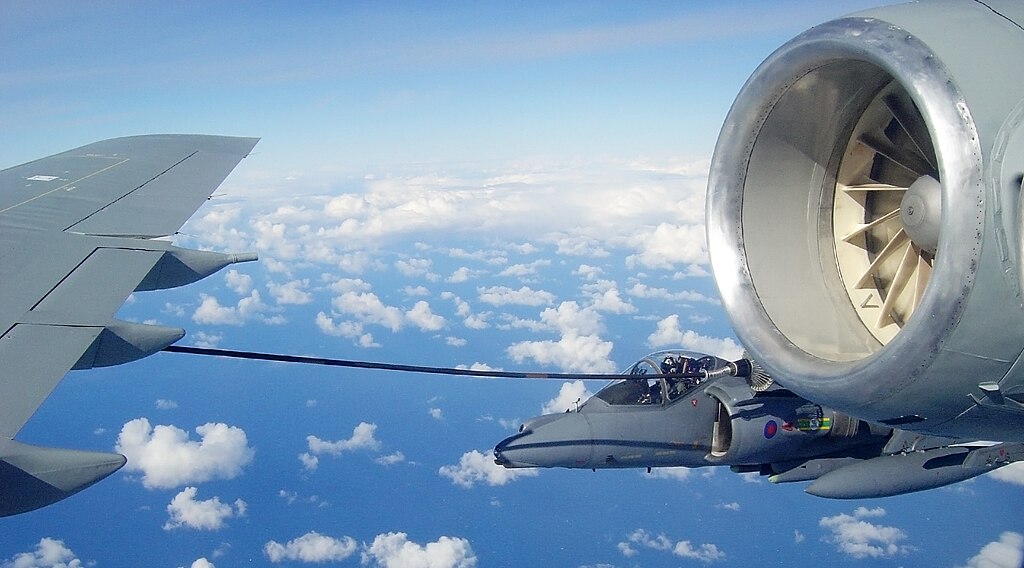
The Vickers VC10 was a combined UK Civil and Military Aircraft designed and Manufactured by Vickers-Armstrongs (Aircraft) Ltd, to be able to take-off and land on short runways or non concrete runways. It also was designed for High Altitude, High Speed and Long Range, International Travel. It held the Atlantic Crossing Speed for 41 years until 2020. It really was the link between the start of Jet Airliners to the start of the New Technology of the modern day Jet Airline Aircraft. The VC 10 operated Commercially from 1962 to 1985 and the RAF 1962 to 2013 as Passenger Aircraft and Fuel Tankers for Air to Air Refueling.
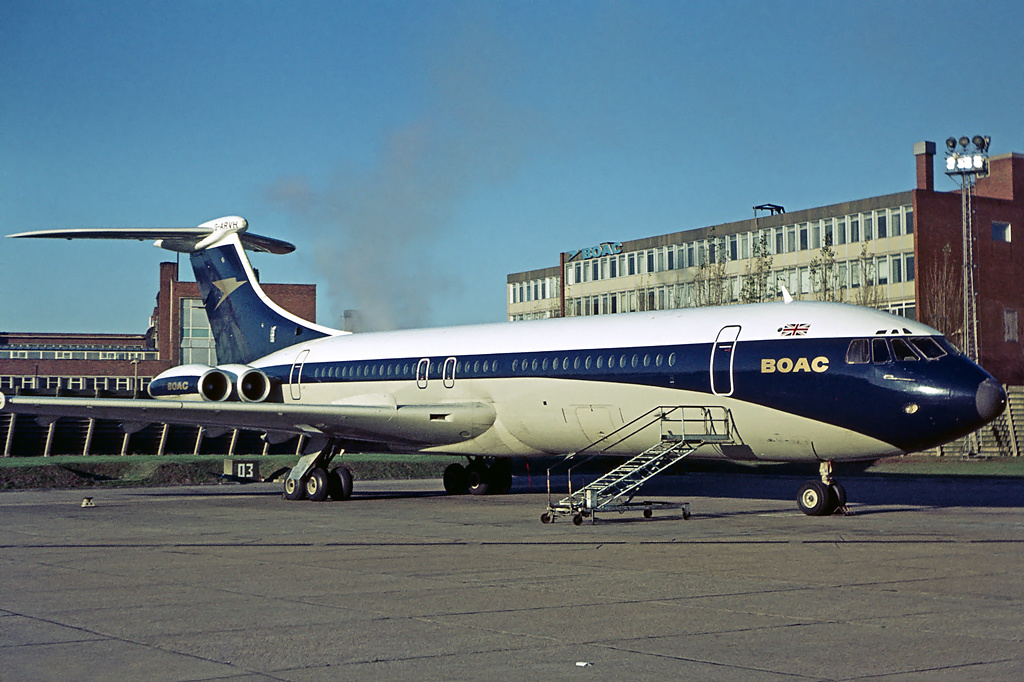
The VC10 was unique in that it had four Tail Mounted, Rolls Royce Conway Turbofan Engines including Reverse Thrust, with the Aircraft’s Pitch Flying Controls on the Top of the Tail. The onboard Avionics (Aviation Electronics) were extremely advanced at that time. It had a Elliot Quadruplicated Automatic Flight Control System (Twin Autopilot) with Auto-Throttle, which was designed to enable Fully Automatic Zero-Visibility Landings using the Airports Instrument Landing System (ILS) Localiser and Glideslope Radio Beams. The Flight Instruments were mainly Analogue. On the later versions of the VC10 up to 200 Passengers could be accommodated in the well lit Cabin.
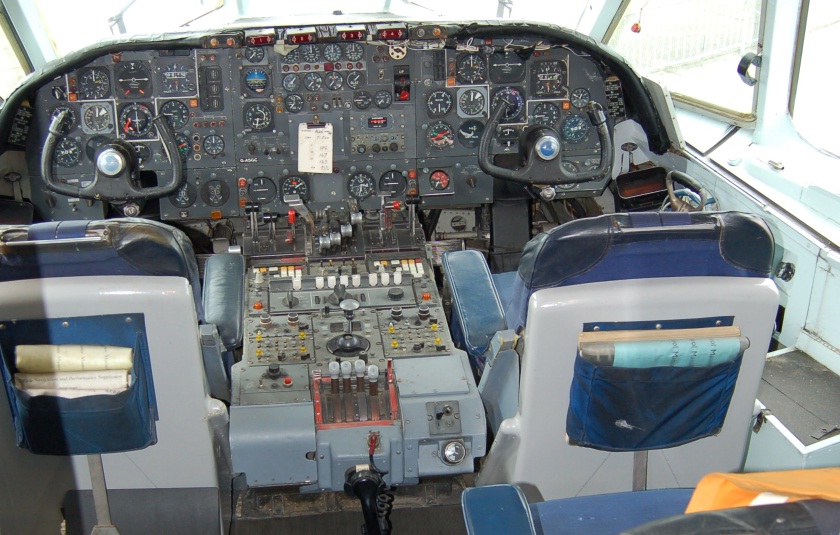
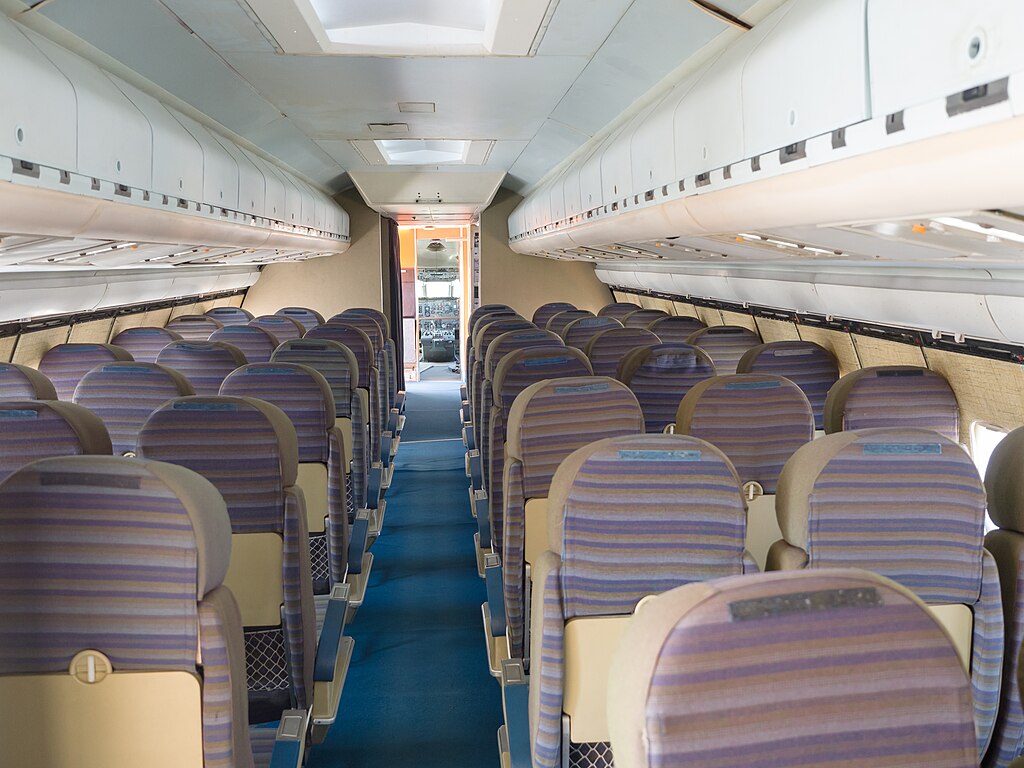
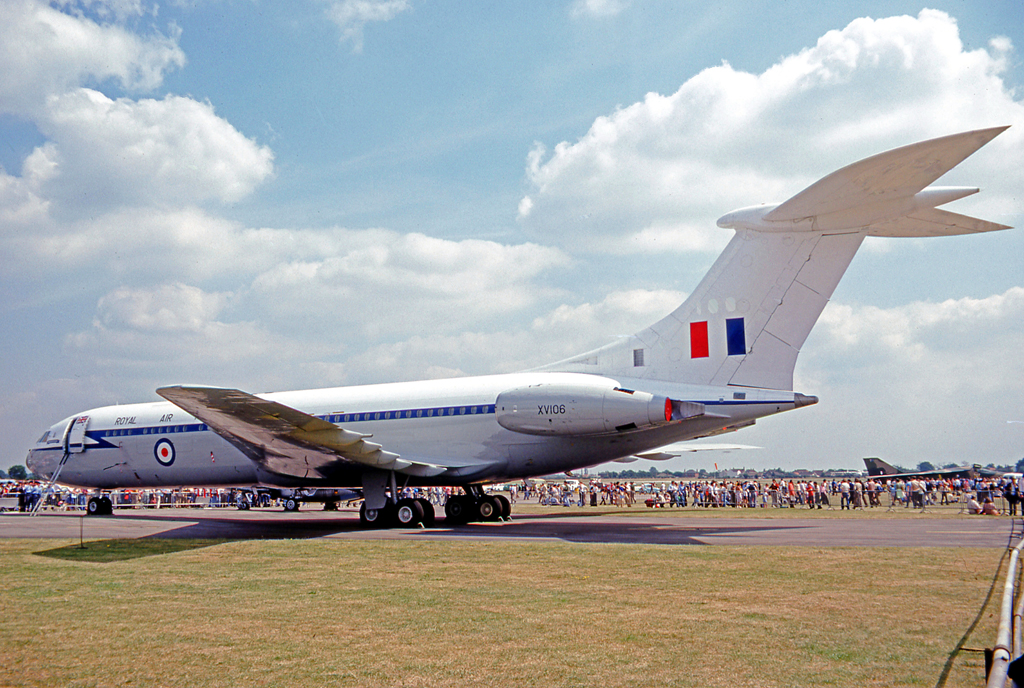
The RAF version of the VC10 had increased Engine Thrust and Passenger Seats facing Rearward for Safety Reasons especially when Braking on Short Runways. The Passenger versions operated from 1966 to 1970 and then they were converted into Air Refueling Aircraft. I have flown on the RAF VC10 shown in the image 5 times in the 1960’s, Singapore to UK, UK to USA Las Vegas, Nellis USAF base via Goose Bay Canada, and return USA to UK, UK to Singapore and Singapore to UK. It was a Superb Aircraft.
Boeing B737 Series
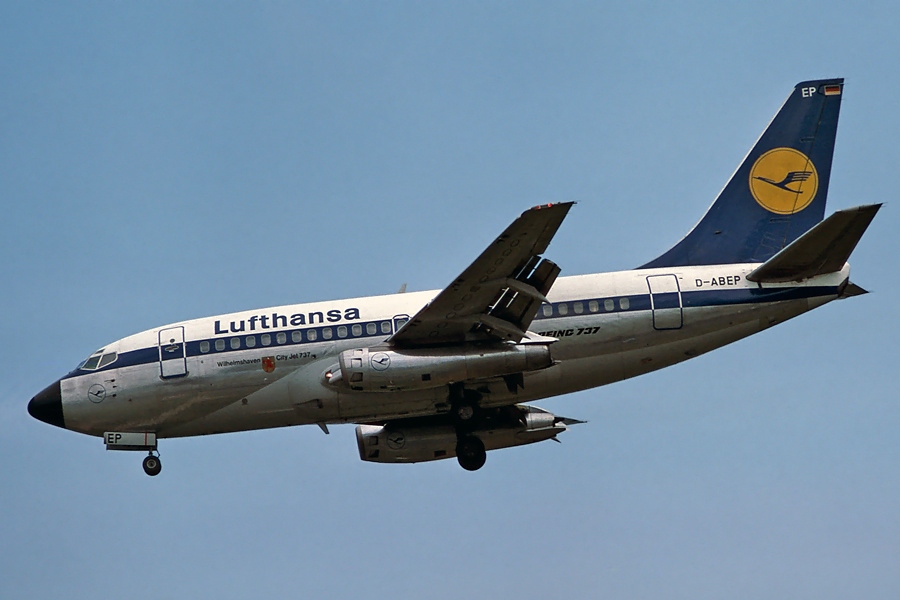
The first Boeing 737-100 was delivered to Lufthansa in 1968 it was the follow on from the Boeing B707 Narrow Body (NB) Aircraft. However, it has had many upgrades over the years and has and still is the workhorse for Airlines throughout the world. At present 12,000 are in service and 16,000 on order. The B737-100, 200 was the First Generation (1968). The second Generation was the B737-300, 400 and 500 (1979) the third (Next Generation) B737-600, 700, 800, 900 (1993) and the Forth Generation and latest is the B737 Max Series 7,8,9 and 10 (2011).

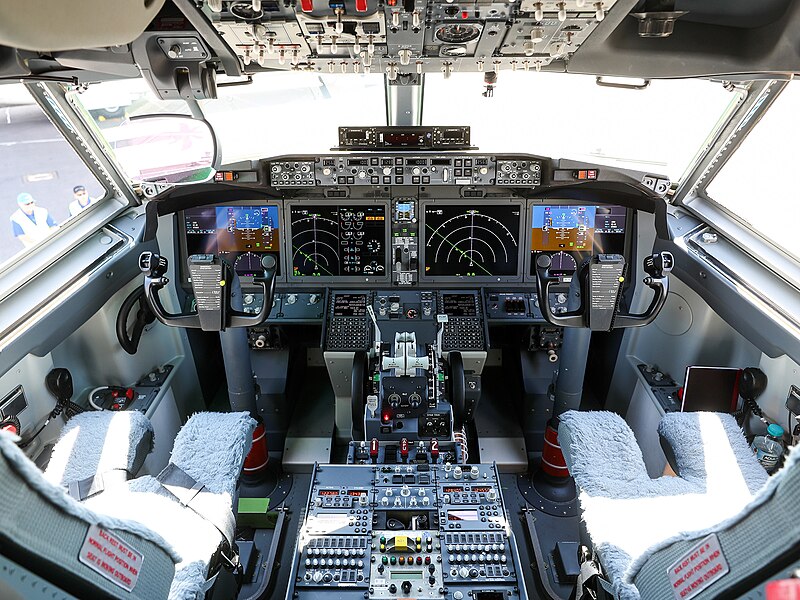
The older Generation had many older design Flight Instruments but had an Autopilot, Autothrottle and ILS Landing facilities. The Flight Controls on all Generations are Power Assisted Mechanical Linkage. The Later third and fourth Generations have most of the Flight Instrumentation and Engine Information and Navigation Information displayed on Glass faced Monitors generated by the Aircraft Electronic Systems which is know as the ‘Glass Cockpit’. The latest Cabin designs vary between Airlines but all of them employ new LED for lighting and in some cases back seat screens for In Flight Entertainment. I have flown on the B737-800 several times for holidays and work.

Boeing B747 Series
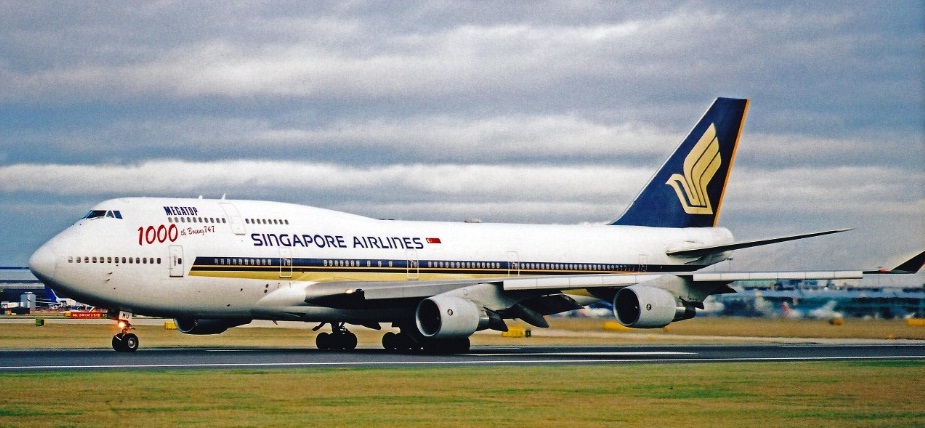
The Boeing B747 affectionately known as the ‘Jumbo Jet’ changed the world International Travel more than any other Aircraft to date. Almost 1600, B747 have been delivered up to the last production in 2019. However some Airlines are still flying Passenger Services and Modified Freight Aircraft. The Series started in 1969 with the B747-100 and progressed to B747-200 (1971), 300 (1983) and the most important of all the B747-400 (1984). A B747-800 is likely to come into service soon. The B747 was the first Wide Bodied (WB), Two Deck Jet Airliner which can seat over 400 Passengers. In October 1958 PAN AM Airlines wanted an Aircraft 2.5 times bigger that the B707.

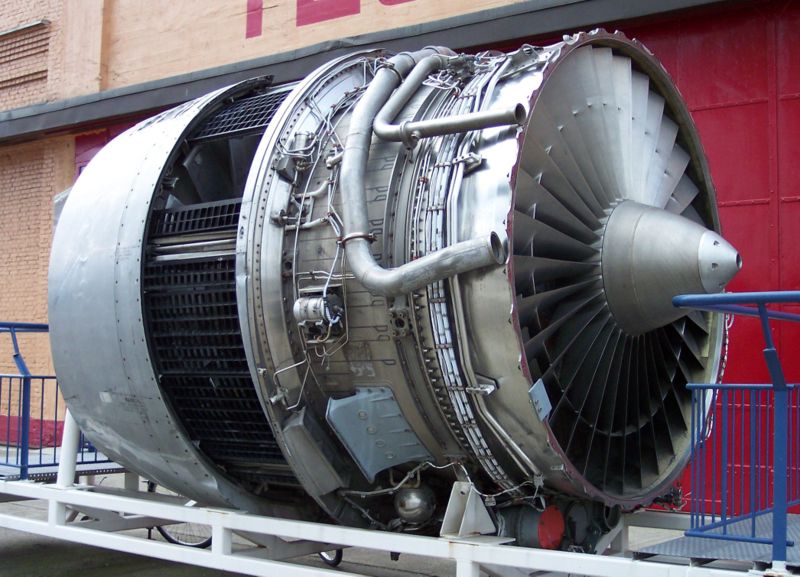
It has four Engines provided by different Manufactures such as the Rolls Royce RB211 Turbofan each producing 41,000 lbf to 60,000 lbf of Thrust. A foot-pound (lbf) is a unit of Energy that measures the amount of Energy required to push one pound with one pound-force for a distance of one foot. The higher the lbf the more Thrust Power from the Engine. The B747-400 had a full Glass Cockpit with Advanced individual Flight and Autopilot Computers, Inertial Navigation Computers, Radio Navigation and Flight Management System. The Flight Controls were Mechanical Power Assisted. The Lower Cabin had First Class, Business Class and Economy Passenger Seating. the Upper Cabin was for Business Class and Flight and Cabin Crew Areas.
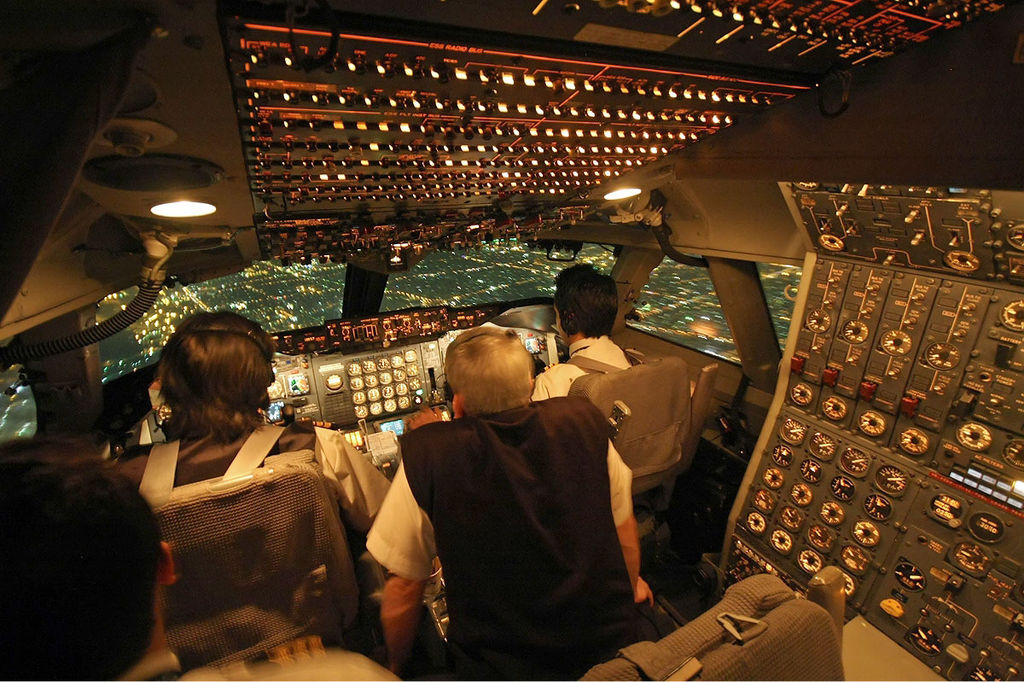
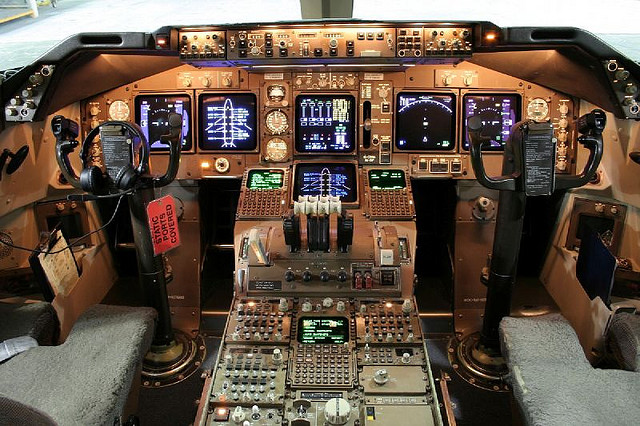

I have flown in the Singapore Airlines (SIA) B747-400 flights almost 70 times between the UK and Singapore and return during my business dealings in Singapore and Malaysia, in Economy and Business Class. This included the the Contract for Training Software with Singapore Airlines Engineering and B747-400 Cockpit Simulator for the Civil Aviation Authority of Singapore (CAAS). I have also been fortunate during the early days to have flown in the B747-400 Cockpit for a while with my friend and Captain Pilot (Rudi) who was flying it from the UK to Singapore.
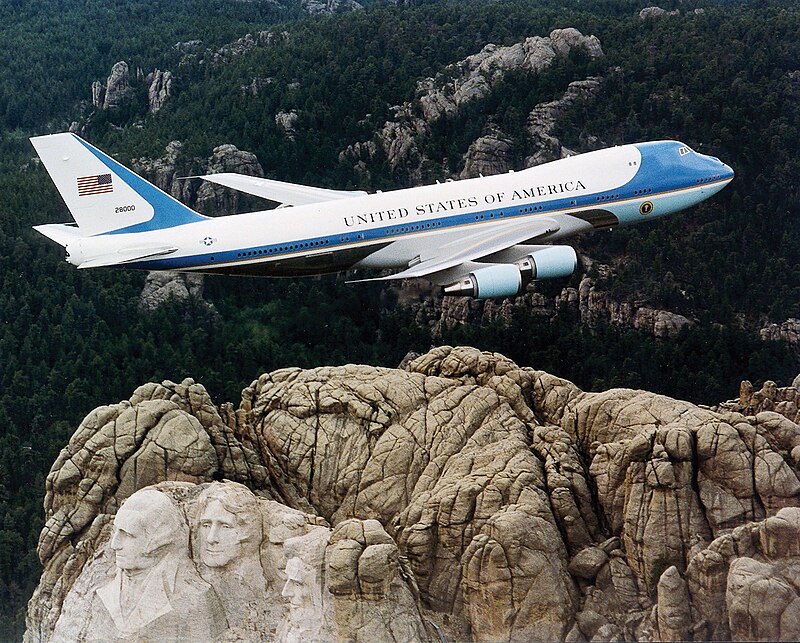
The other two 747-200B (VC-25A) upgraded customised Aircraft are the USA Presidents Aircraft ‘Air Force One’, which have been in service since 1990. Two new B747-800 Aircraft are on order to replace the existing ones. NASA also used a specially modified B747 for transporting the Shuttle Space Craft.
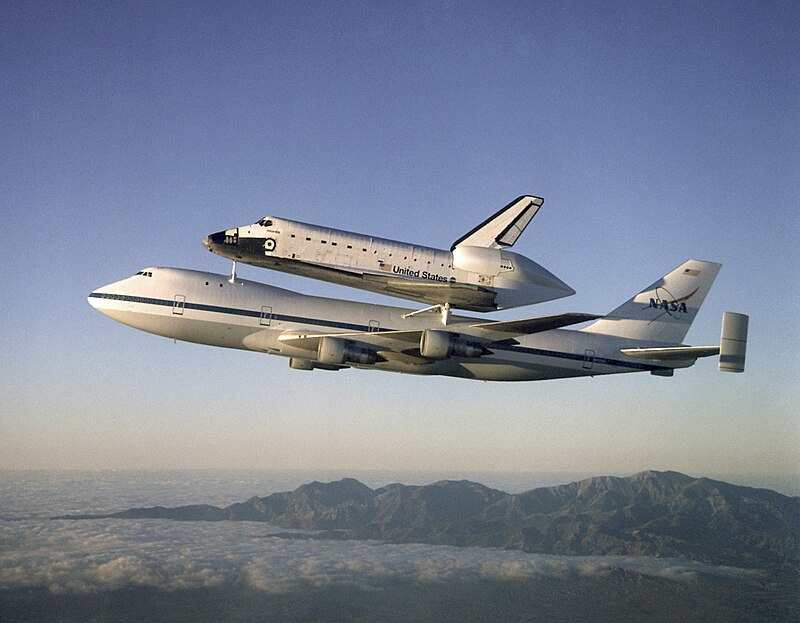
The B747-8 project has been very limited due to the requirements of Airlines for more advanced Aircraft which we will discuss later. Most of the Aircraft were for the Cargo Sector B747-800F (Freighter) but some for the International Passenger Aircraft B747-800i. The Final B747 Delivery was a B747-800F. The Boeing B747 was truly Change Maker and Favourite for International Passengers over Years.
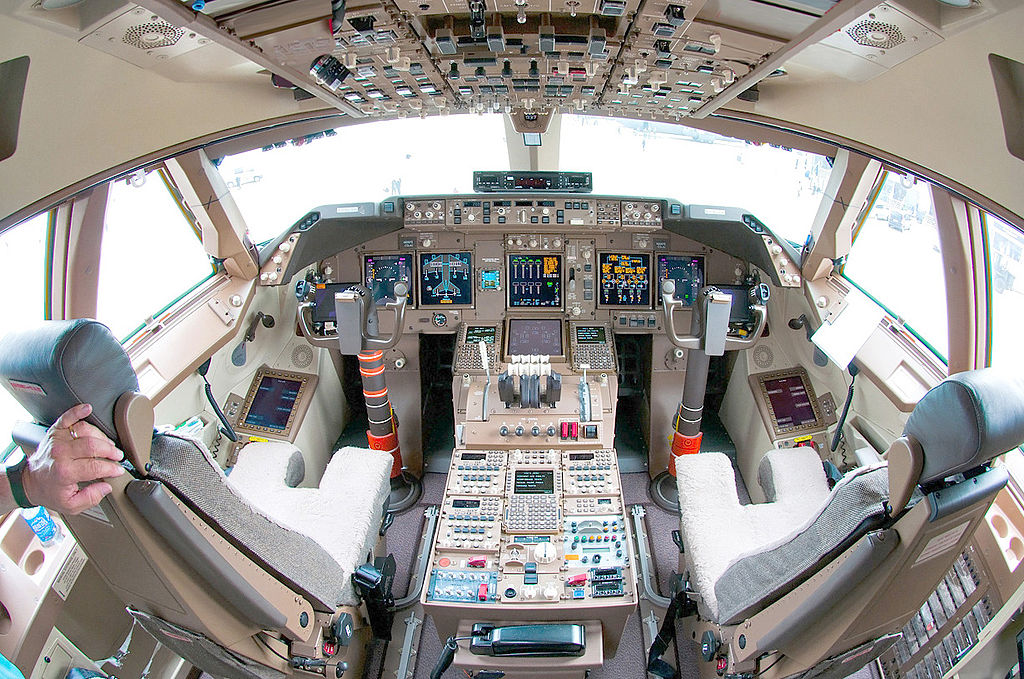
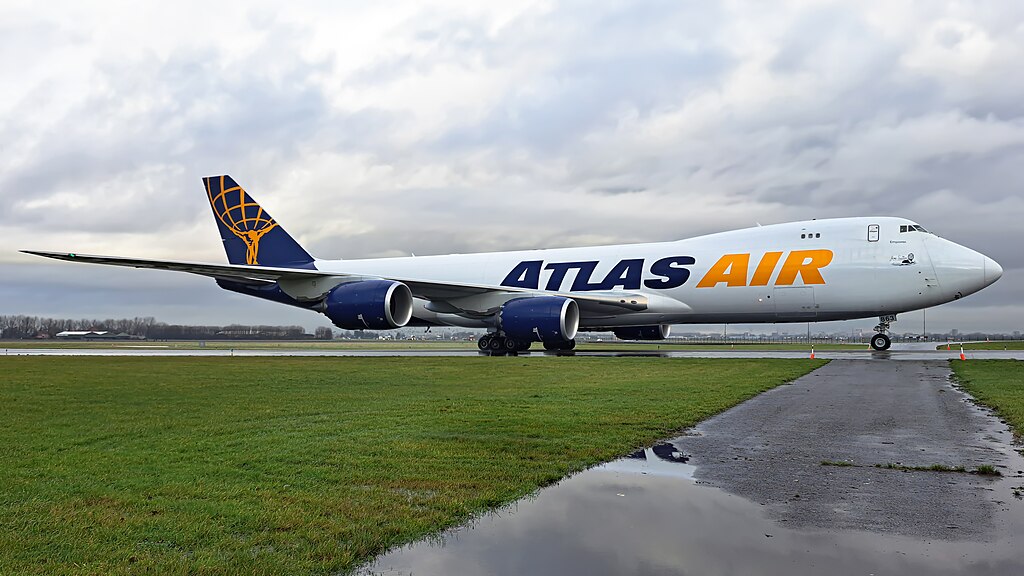
Fly-By-Wire (FBW), Integrated Modular Avionics (IMA) and the Side Stick-v-the Yoke Era.
At this stage it is important to know that there was a major shift in Technology from those Jet Airliners we have discussed to that of the following Commercial Jet Airliners we are going to discuss which is still being upgraded as new Commercial Jet Airliners are being Designed and Manufactured. This involved Fly-By-Wire (FBW), Integrated Modular Avionics (IMA) and the Side Stick / Yoke Flight Controls.
Fly-By-Wire (FBW) System
As a simple to understand description of FBW is that the Mechanical Linkages between the Pilots Flight Controls and the Flight Control Surfaces are removed and replaced with Electrical Sensors on the Pilots Controls which send Signals via Electrical Cables and Computer System which then processes them and then sends Signals to the Flight Control Surfaces which move the to the appropriate positions. Note these Systems are very complex. FBW systems have been experimented with prior to 1969 which was the first time FBW was used in a Commercial Jet Airliner.
Integrated Modular Avionics (IMA)
Once again a simple to understand description of IMA is that the Avionics are controlled via the Flight Management System (FMS) Controllers in the Cockpit and associated Computers which are connected via a Wire or Fibre Network System to all the other Aircraft Systems Computers. These are able to communicate with each other to Control Systems ; for example FBW and Automatic Pilot System to the Air Data System, Fuel System, Engine Control System, Navigation Systems and Communications Systems etc etc automatically. There two types of IMA System, the Common Core System used on Boeing Aircraft and the Open IMA used on Airbus Aircraft both of which are fully Integrated Systems using a version of the Avionics Full Duplex (AFDX) Switched Ethernet.
Side Stick and Yoke for Controlling the Flight Controls
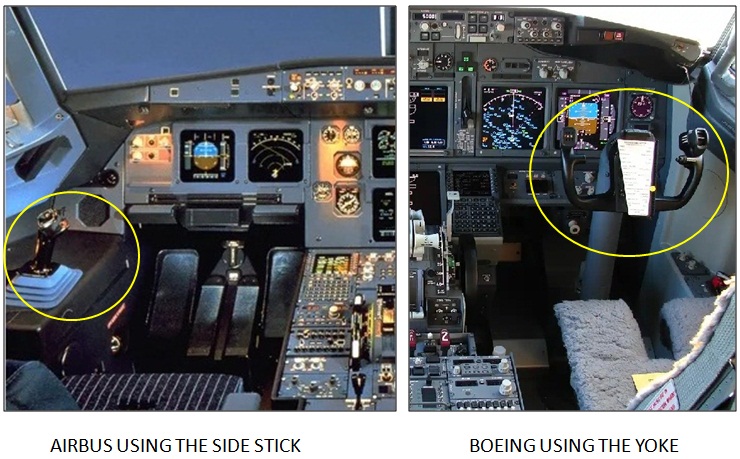
Another major change in Technology was the adoption by Airbus Aircraft to use the Side Stick for controlling the Pitch and Roll Flight Controls (FBW). However the Boeing Aircraft still used the Yoke (FBW) for controlling the Pitch and Roll Flight Controls. Both Airbus and Boeing Systems use the Rudder Pedals for the Yaw Flight Control.
Concorde
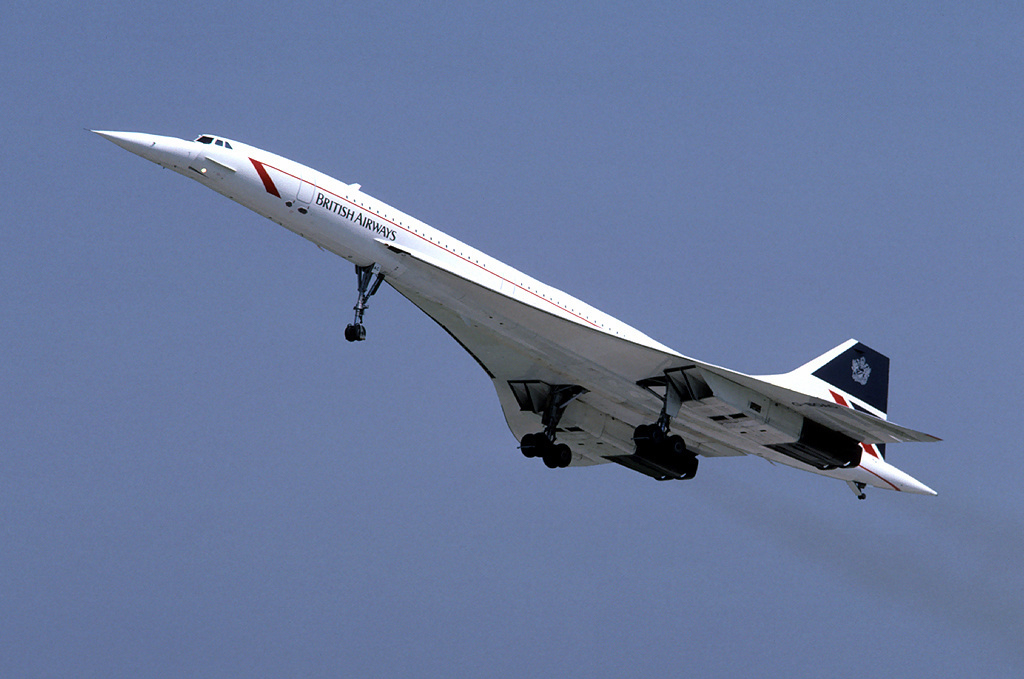
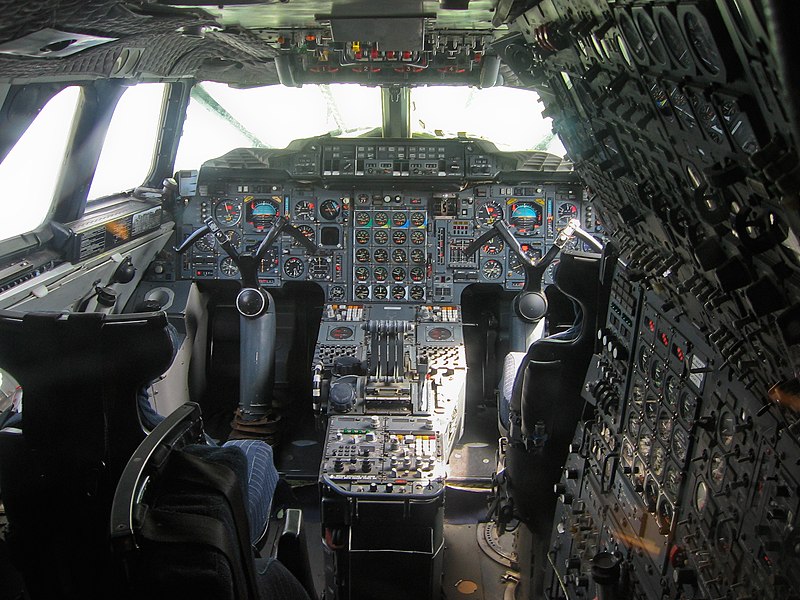
Concorde the only Supersonic Aircraft first flew in 1973 from the UK to the USA with the first Commercial Jet Airliner Flights. It was Designed and Manufactured by the British Aircraft Corporation (BAC) and the French company, Aerospatiale. The first Commercial Flights were on January 21st 1976 by British Airways (BA) from the UK to Bahrain and Air France (AF) from Paris, France to Rio de Janeiro, Brazil. The Concorde was the first Commercial Jet airliner to have a FBW System. It also had a very futuristic Avionics System for its time but not an IMA. Only British Airways and Air France operated the Concorde from 1976 to 2003, 27 years due to the only Concorde crashed after Take-Off due to punctured Wing Fuel Tank and resulting Fire, caused by Metal Part from previous Aircraft Take-Off. Only 14 Commercial Concorde Jet Airliners were built 7 for BA and 7 for AF.
Airbus A320 Family
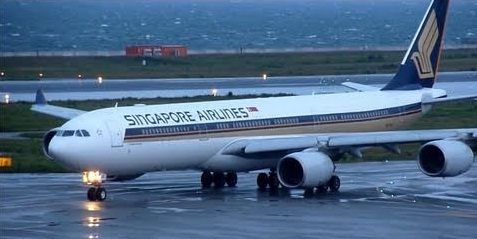
Airbus is a consortium of European Airline Manufactures including France and UK in 1970. It is in competition with Boeing in the USA and is now in 2024 almost equal. The Airbus family started with the Wide Body (WB) A300 in 1972 and the WB A310 in 1981. From there the A320 family Narrow Body (NB) Aircraft with Twin Engines, mainly the CFM56 Engine producing around 23,000 lbf of Thrust each, emerged all using the same Cockpit Layouts. It started with the largest and then decreased in length, A320 (1987), A321 (1993), A319 (1995) and A318 (2002). Other WB Aircraft A340 (4 Engines) (1991), A330 (1992), A330neo (2018), A380 (4 Engines) (2005) and the latest A350 (2013). We will discuss the A380 and A350 later. It should be noted that the A340 flew from Singapore to New York (SQ 21) over the North Pole non-stop for 18 hours Piloted by my Singapore Airlines Captain friend (Rudi) .
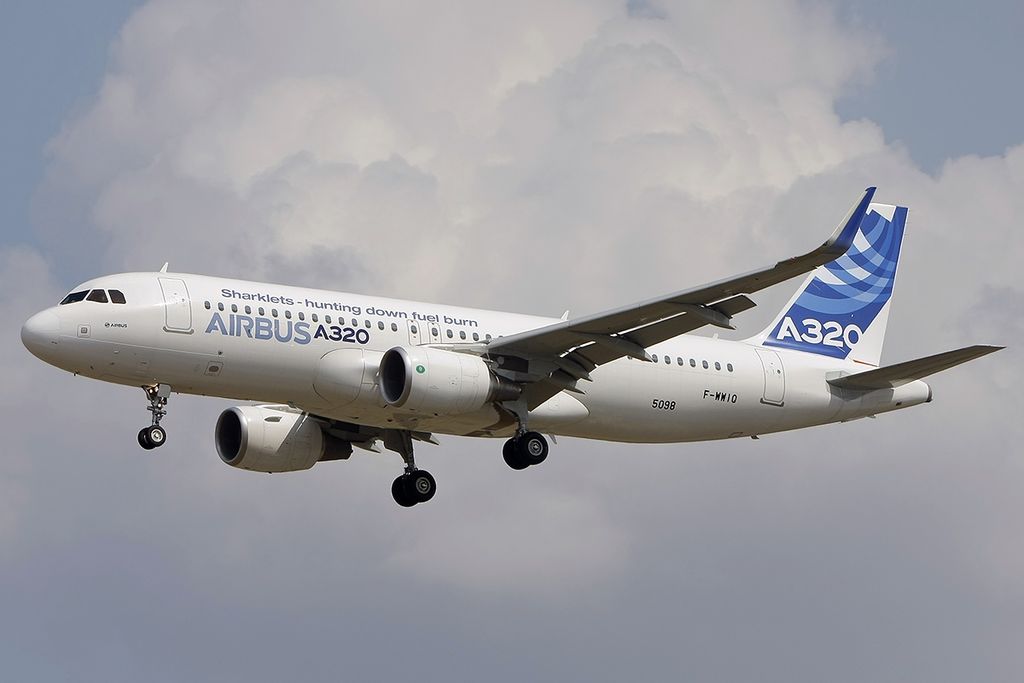
The Airbus A320 was the first Commercial Jet Airliner to use full FBW with Cockpit Side-Stick Flight Controllers for the Pilot and Co-Pilot which Airbus adopted for all of the Aircraft that followed the A320. The Side Stick Produced Position Electrical Signals to the FBW System for Pitch (Elevators) and Roll (Ailerons) Flight Surfaces. The Rudder Pedals also had Position Electrical Transmitters for Azimuth (Rudder) Flight Surface. The Airbus Family (A320 to A318) had the Electronic Flight Instrument System (EFIS) and Electronic Centralised Aircraft Monitor (ECAM) Systems. These were a major improvement using the Glass Cockpit.

Boeing B777
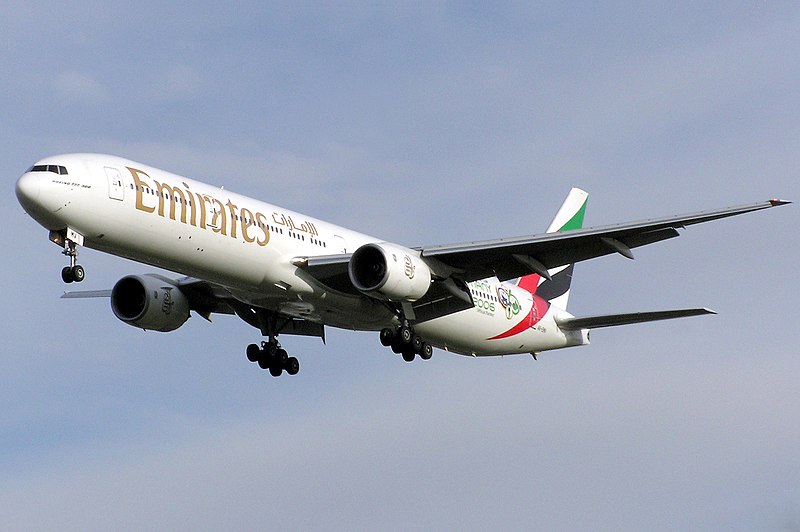
The Boeing B777 Jet Airliner played a big part in the Evolution of new Technology, especially related to the Airframe, Engines, FBW and IMA. The B777-200 was introduced in 1995 commonly known as the ‘Triple Seven’ and is the most built Wide Body, Twin Engine Aircraft in the world. It was also the first aircraft to be Designed using Computer Aided Designed (CAD) using 3D Graphics. The B777-300ER (Extended Range) is used extensively by many Airlines but Emirates Airlines have a fleet of 160 Aircraft. The B777-300 was introduced in 1997 and can accommodate 350 plus Passengers. I have flown on the B777-300ER many times and it is a superb Aircraft. I also used the B777-300ER to Design and Produce the Avionics Training Media for Malaysia Airlines (EASA Part 66) by my Company in Malaysia.
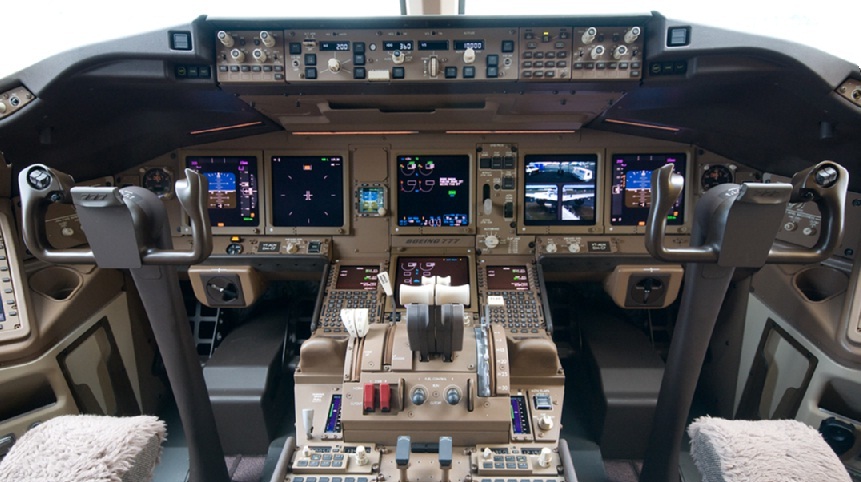
The B777 was the first Boeing Aircraft to have full FBW using the standard Cockpit Yoke and Rudder Flight Controls which was part of the first Integrated Modular Avionics (IMA) System to be used on a Commercial Jet Airliner in the world. It used the Common Core System and the forerunner of the AFDX Network System and IMA Computers for Processing all of the Flight Management System (FMS) functions. An additional function of the IMA was to allow the Avionics Engineers to do On – Board IMA Testing using a dedicated Computer Station in the Cockpit.
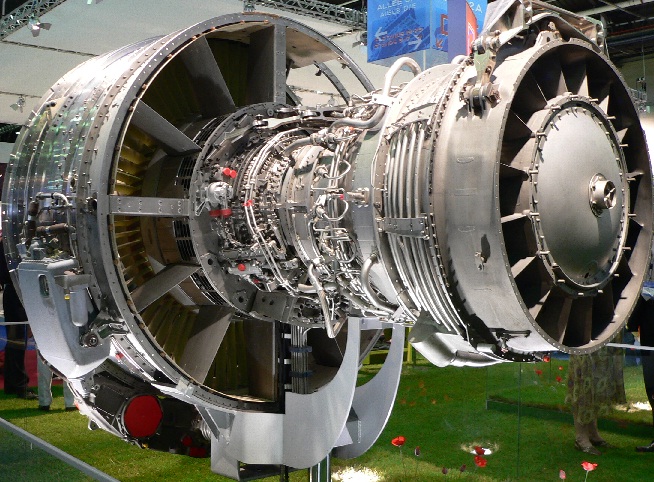
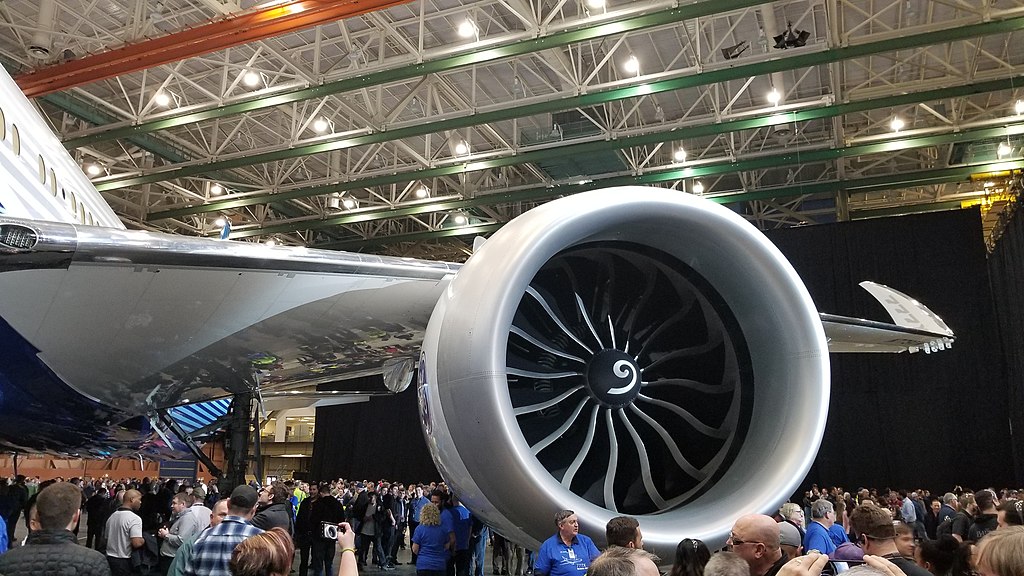
The Boeing early B777’s were fitted with the Rolls Royce Trent 800, a large but the lightest Turbofan Engine fitted to the B777. However the B777-300 aircraft introduced in 2003, were fitted with a new GE90 Engine using the technology of curved Fan Blades producing over 100,000 lbf of Thrust, almost twice as much as each Boeing B747-400 Engine.

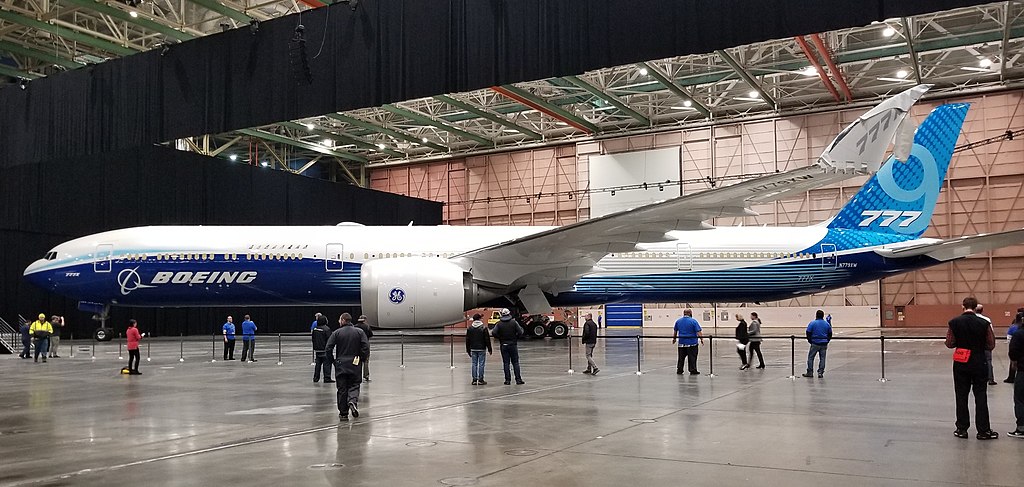
The B777x Series is the latest which is much larger than the B777-300ER and again advanced Technology. The Wings are made of Composite Material and are so long the Wing Tips fold upward until ready for flight. The Engines are the GE9X the largest Jet Engine in the world surpassing the B777- 300 GE90 Engines. The Glass Cockpit has been upgraded including Head Up Display (HUD) Systems, inline withe the advanced IMA. The B777-8 Passenger Capacity is 395 with the B777-9 having 426 Passengers. However, due to Technical and Production the major introduction of the B777-8 and 9 are being delayed until 2025.

Airbus A380
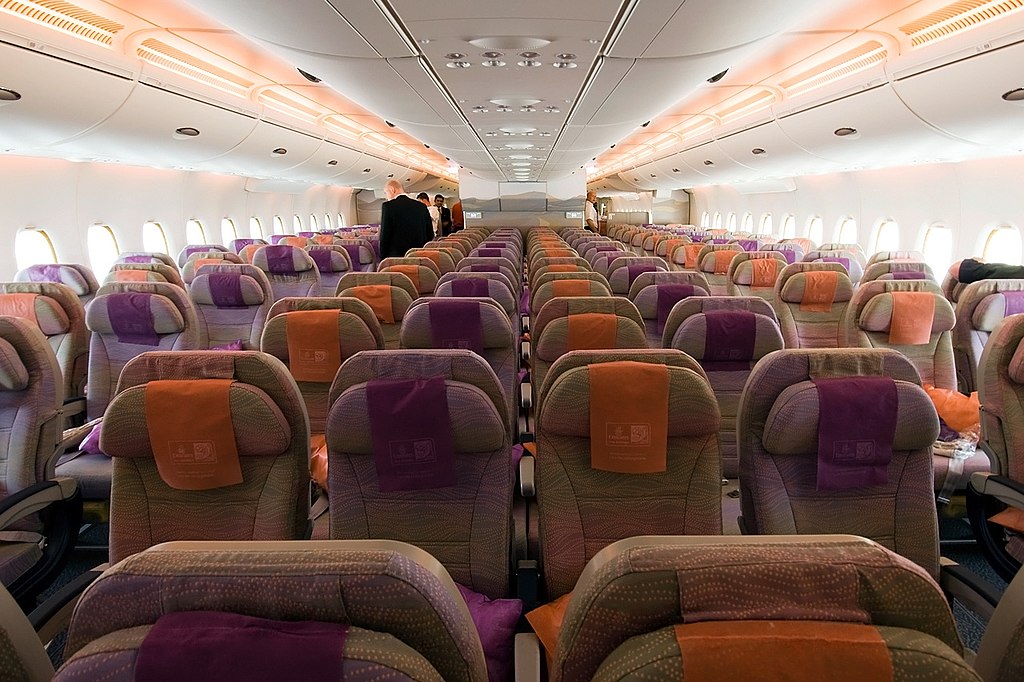
The Airbus A380 is the largest Wide Body (WB) four Engine Jet Airliner in the world. It has a full length, Double Deck Passenger Cabins, that can seat over 500 Passengers but each Airline have their own Cabin Configurations. The first delivery of the Airbus A380 was to Singapore Airlines (SIA) in 2007, followed closely by Emirates Airlines both of which are the major Operators of the majestic Jet Airliner.


The Airbus A380 is powered by the Rolls Royce Trent 900 Turbofan Jet Engine, which SIA selected, and the GP 7200. Each of the four Trent 900 Engines produces 84,000 lbf of Thrust. The A380 is Designed and Manufactured by companies from France, Germany, Spain and the UK each having their own specialty. For example the Wings are made in the UK. Then all of the parts are transported to Toulouse in France for final assembly. The transportation of the Wings is by Land and Sea from Wales in the UK on huge barges to France. Therefore transportation from all donor countries is a huge undertaking. Except for the Wings most of the A380 Fuselage is constructed of Aluminum Alloys.
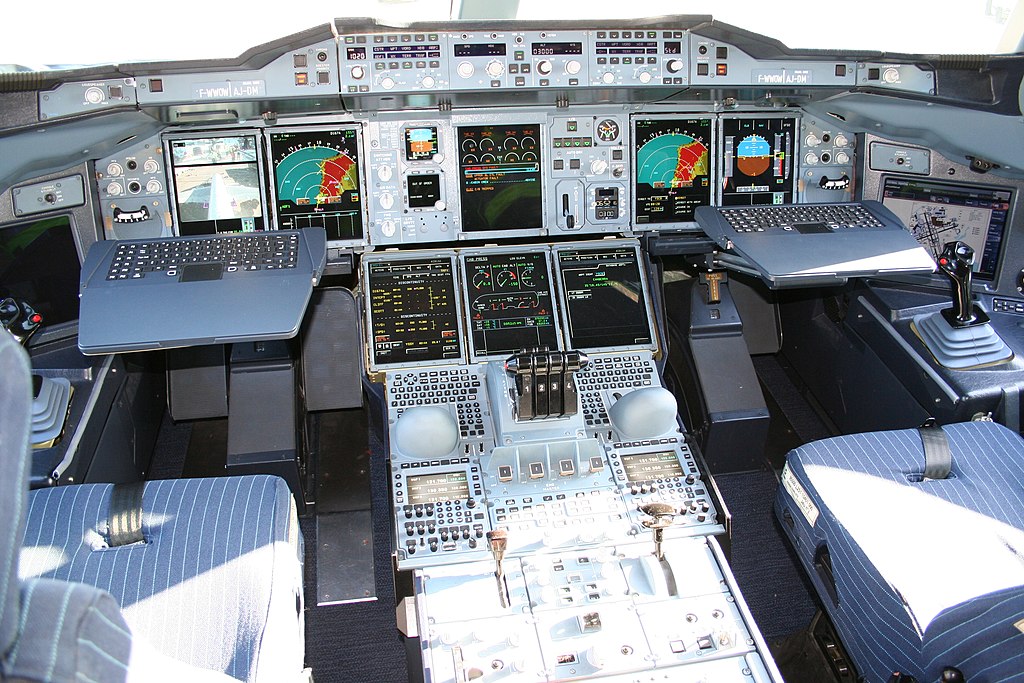
A major Technology change was from the use of Copper Electrical Wiring to Aluminum Electrical Wiring which also required new techniques. This was to reduce the weight of the A380. The A380 uses the Open IMA using AFDX combined with the Glass Cockpit. Due to the huge size of the A380 the AFDX Ethernet Data Cables are extensive. The Flight Controls which are full FBW Side-Stick are also more complex especially the secondary Control Surfaces such as the Flaps and Spoilers etc. It is hard to imagine controlling such a Huge A380 Aircraft with Side-Sticks similar to that that we play Computers games with. The Cabin Configuration depends upon the Airline Operators however the A380 is designed to be able to accommodate up to 800 people. For example Malaysian Airlines only operates the A380 for religious Pilgrimages that seat 700 people for each flight.
Boeing B787
The Boeing B787 known as the ‘Dreamliner’ is a ‘Technology Explosion’ in the Commercial Jet Airliner Evolution. It first came into service with Japan’s All Nippon Airways (ANA) in 2011. It is a large Wide Body (WB) Aircraft seating up to 425 Passengers. The Boeing B787 has many versions but the latest is the B787-10 which is the largest B787, that Singapore Airlines (SIA) took the first delivery in 2018.


The modern Boeing B787 Commercial Jet Airliner was the first to be constructed using Carbon Fibre Reinforced Polymer (CFRP) not Aluminum Alloys like other Aircraft we have discussed. The majority, (80%) of the Aircraft’s Fuselage (Body) and Wings, Tail and most of the Flight Control Surfaces are made of CFRP. This has allowed the Cabin Windows to be larger and fitted with ‘Smart Glass’ which can Change from ‘Dark to See Through’ using Electronics. There are no Window Shades. The Aircraft Wings are flexible as normal but actually Curve Upward when Flying.

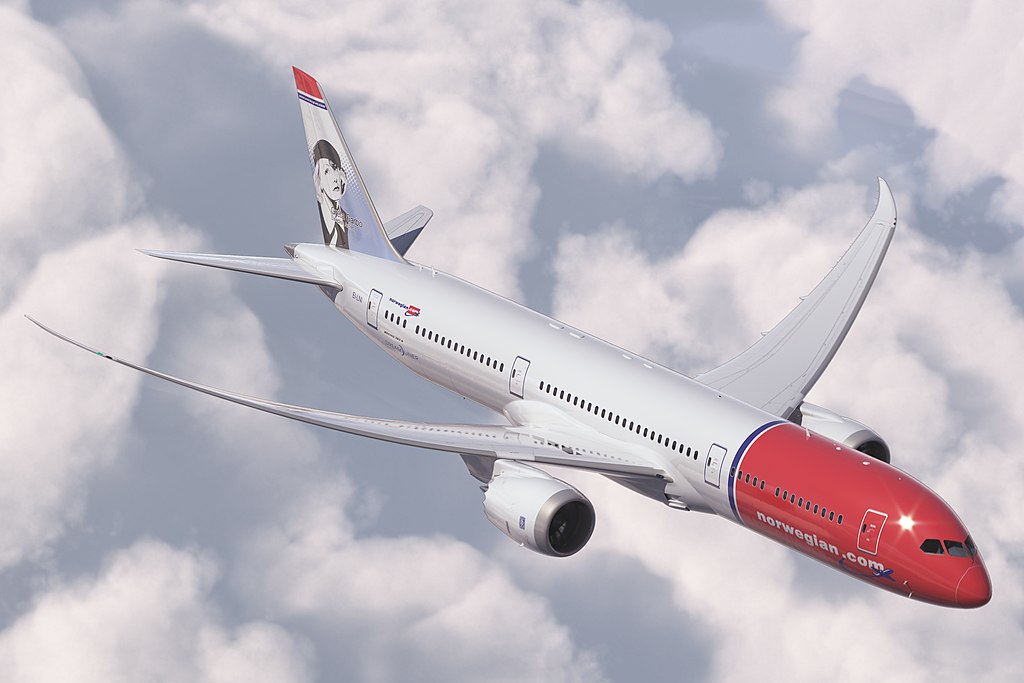
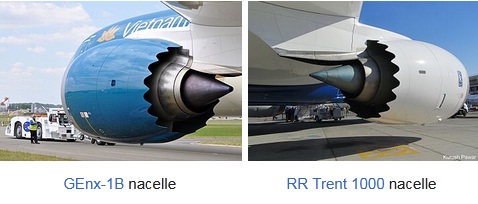
The Boeing B787 uses the GEnx, Rolls Royce Trent 1000 and the latest Rolls Royce Trent XWB Turbofan Engines. Each Trent XWB Engine produces 70,000 lbf of Thrust. The Engine Nacelle’s are also unusual as the are Serrated at the rear to reduce Noise. The Cabin Air Conditioning does not use Engine Bleed Air like other Aircraft but uses Electrical Air Conditioning Compressor’s just like a house Air Conditioner System.
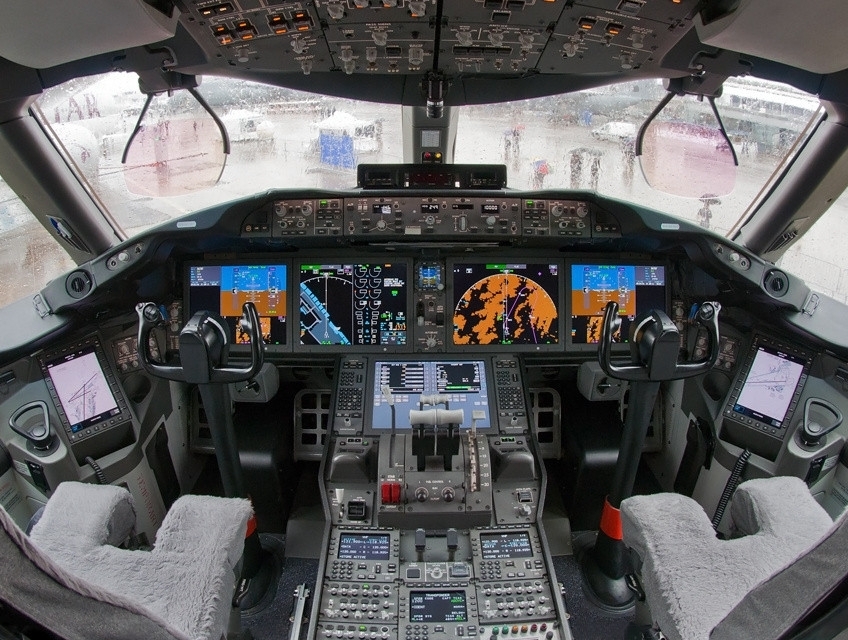
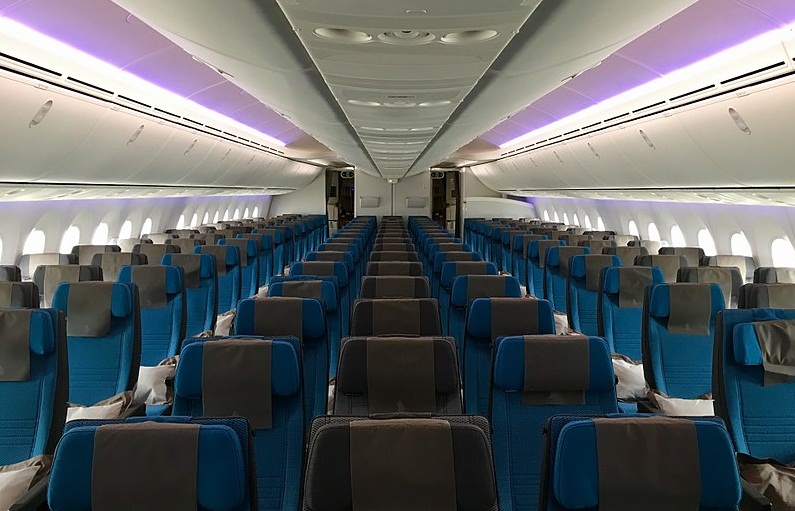
The Boeing B787 uses the latest Common Core IMA system with upgraded Cockpit Display Systems that have Dual Information Screens on a single Display Unit. Additionally, Head-Up Display (HUD) Systems are fitted for both Pilots. It has full FBW system including Autopilot and Autoland System using the Boeing standard Yoke and Rudder Pedals. All of the Cabin Lighting is LED allowing several Colour’s and Brightness to be selected by the Cabin Crew.
Airbus A350
The Airbus A350 is and Extra Wide Body (XWB) Aircraft which was designed to compete against the Boeing B787 Dreamliner. The first Commercial Flight of Airbus A350-900 was in 2015 by Qatar Airways. the main variants of the the A350 is the A350-900, A350-1000 and the latest A350neo.
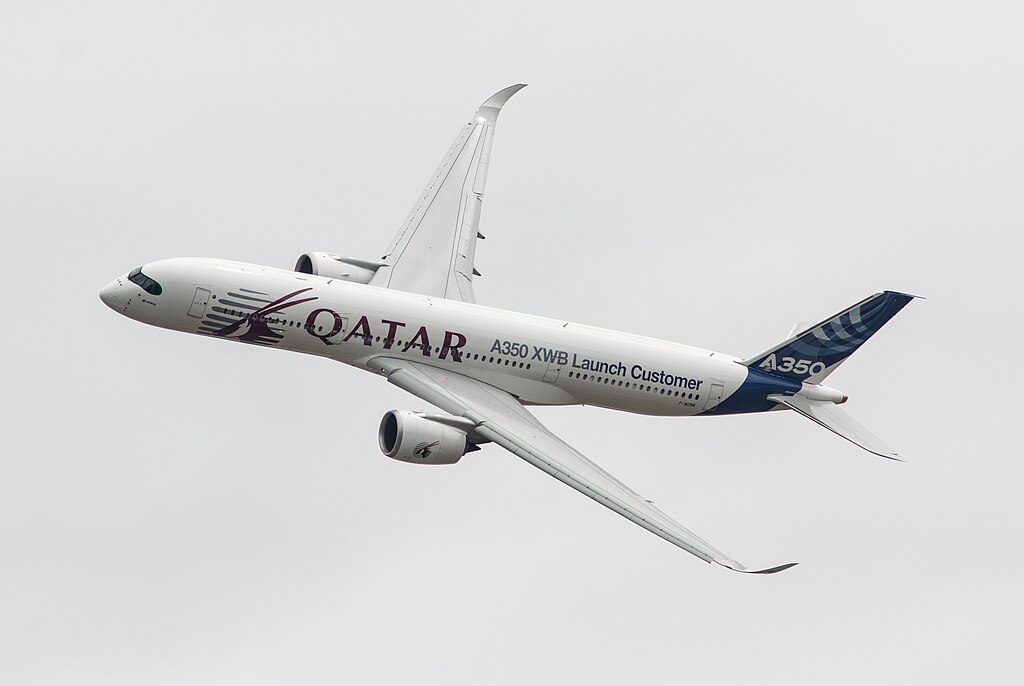
The Airbus A350 Fuselage and Wings are constructed using Carbon Fibre Reinforced Polymer (CFRP) following the Boeing B787 construction. However, Airbus construction was based upon Panels fitted to a Rib Construction made of Aluminum-Lithium Alloy, which was completely different to the Boeing B787. The Airbus A350 Ribs gives the Fuselage more Strength and Conductibility against Lightning Strikes. The Wings are also unique in that the Wing Outer portion is Curved Upward to enhance the Aerodynamics. The Engines in the main are Rolls Royce XWB Engines with Curved Fan Blades, specially designed for the Airbus A350, each with up to 97,000 lbf Thrust. The Air Cabin Air Conditioning is from the standard Engine Air Bleed System.
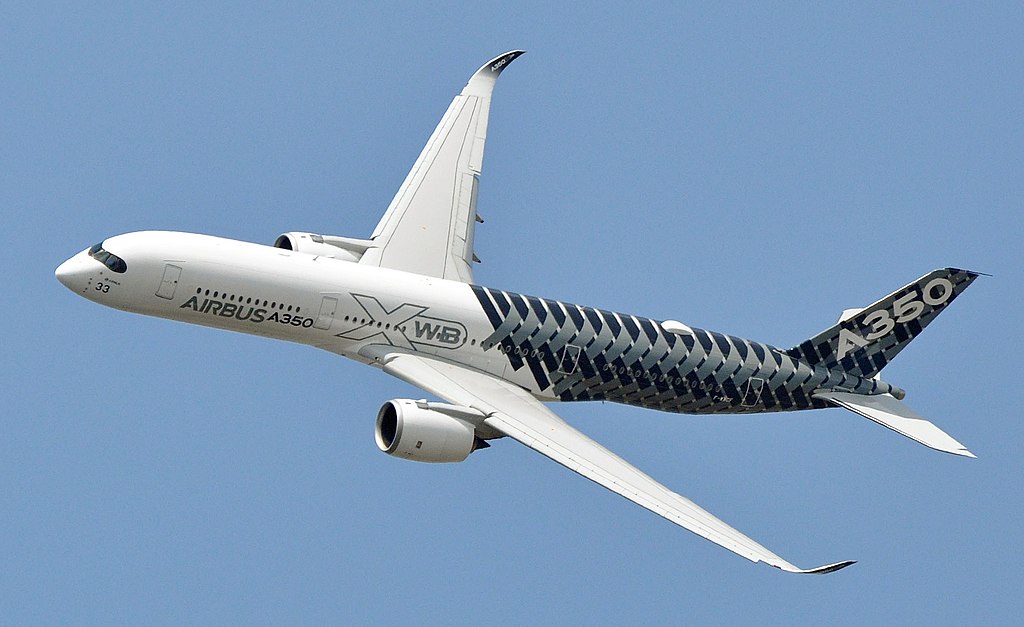

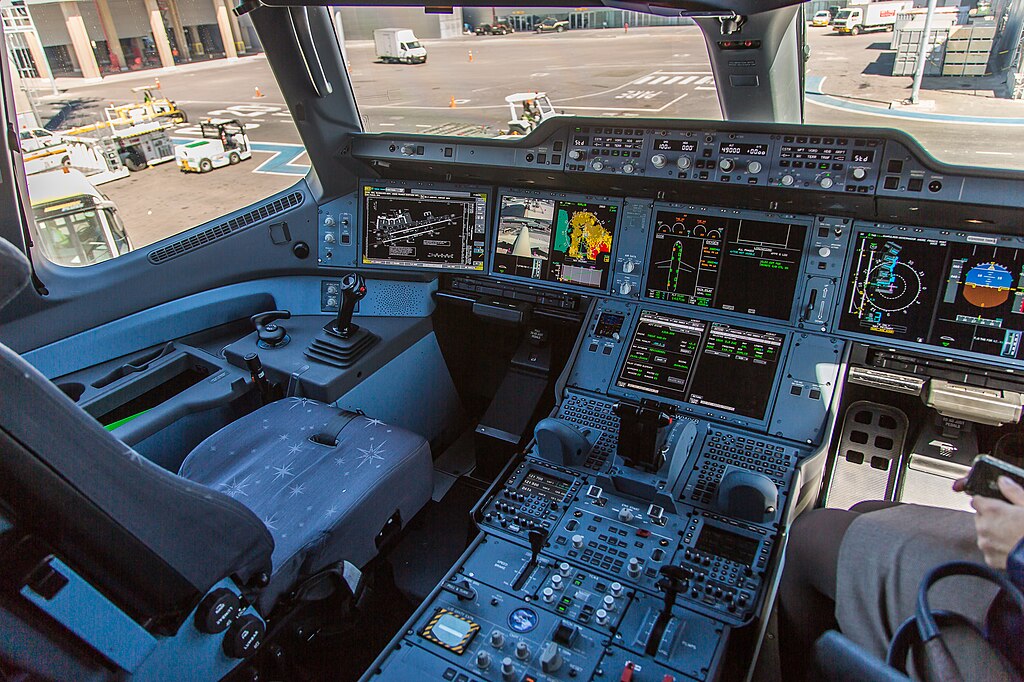
The Airbus A350 variants have the Open IMA system based upon that used in the Airbus A380 including the enhance Cockpit layout and Dual Information Liquid Crystal Displays (LCD’s). It has Full FBW and Autopilot and Autoland using the Airbus Side-Stick Configuration. The Cabin can accommodate 400 Passengers in the latest A350-1000 and A350neo owing to the Extra Wide Cabin Design and 3×3, 9 abreast Seating.

Future Commercial Jet Airliners
Throughout my 60 years being an Aircraft Engineer in the Royal Air Force and associated with the Commercial Jet Airliners what have been discussed has basically followed the same Design Format, Fuselage, Wings, Tail and Engines. However there are new Designs ongoing known as Blended Wing Aircraft. This stems from the Military Flying Wing Bombers Designed and Flown by the USAF. These will not be introduced in my lifetime but these are serious Design Considerations for the future. The move by the Commercial Aircraft Industry is the Electrification of Aircraft moving away from Fossil Fuels and Oil known as More Electrical Aircraft (MEA) Project. However, the Technology there will be an increasing demand for Air Travel especially as the Population Expands over the coming decades.

Thank you for your time viewing this quite large Article, I hope you found it interesting and not too technical for you to understand.
 <a href="https://astra283.wordpress.com/wp-admin/site-editor.php?calypsoify=1&block-editor=1&frame-nonce=af705db4bc&origin=https%3A%2F%2Fwordpress.com&environment-id=production&support_user&_support_token&postType=wp_template&postId=pub%2Flivro%2F%2Fhome#site-title-pseudo-link">Training designer</a> - avionic & Aircraft Engineer -- BRYAN HOGGb.e.m